 3
3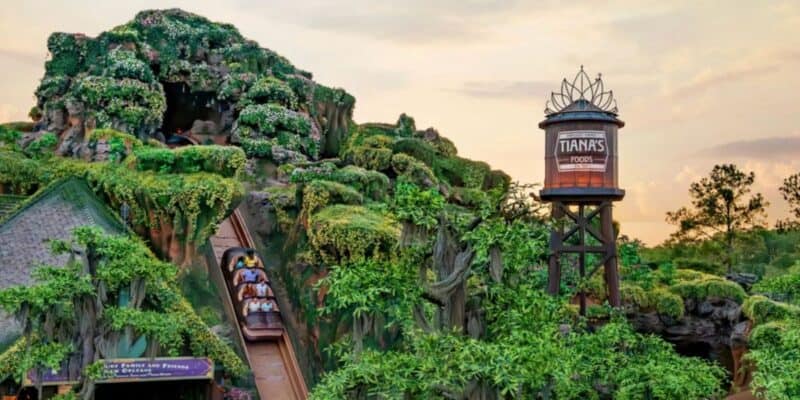
 Credit: Disney
When Disney closed Splash Mountain, it wasn’t just another attraction leaving Magic Kingdom.
For many guests, Splash Mountain wasn’t about the IP or even the story—it was about tradition. That emotional attachment meant Tiana’s Bayou Adventure was always going to inherit more than just a ride system. It inherited expectations that were nearly impossible to meet.

At launch, there was genuine excitement. A brand-new story inspired by The Princess and the Frog (2009). Updated animatronics. Fresh music. A chance for Disney to show that it could reimagine a classic flume ride with modern storytelling and technical polish. For some fans, that was exactly what they wanted. For others, the disappointment began almost immediately.
More than a year later, Tiana’s Bayou Adventure has become one of the most polarizing attractions at Walt Disney World—not because it failed outright, but because it landed in a gray area that keeps fueling debate.
Wait Times That Swing From Headliner to Walk-On
One of the most noticeable things about Tiana’s Bayou Adventure is how wildly inconsistent its wait times are.
On warm days, the attraction behaves like a true Magic Kingdom headliner. Standby waits climb into the 40-minute range, or above. Lightning Lane access disappears quickly. Guests build ride strategies around it. In those moments, it feels like exactly what Disney intended—a marquee experience anchoring Frontierland.
Then the temperature drops.
As soon as cooler weather arrives, guest behavior changes dramatically. Water rides fall out of favor, and Tiana’s Bayou Adventure can suddenly drop to shockingly low wait times—sometimes hovering around 10 to 15 minutes. It’s not uncommon for guests to walk by and skip it entirely, choosing to stay dry instead.
That fluctuation doesn’t just affect this one attraction. It shifts crowd patterns across Magic Kingdom. On hot days, Tiana’s Bayou Adventure absorbs demand. On cold days, that demand spills over into other rides, reshuffling Lightning Lane priorities and standby waits elsewhere in the park.
The end result is a ride that feels essential one week and completely optional the next.
This phenomenon, however, isn’t unique to Tiana’s Bayou Adventure. Splash Mountain had a similar fluctuation. That being said, there are other things that simply don’t add up.

Living in Splash Mountain’s Shadow
No matter how much time passes, Tiana’s Bayou Adventure will always be compared to Splash Mountain—and that comparison shapes nearly every conversation about it.
For longtime fans, Splash Mountain was a rite of passage. It was the first big drop for kids. A summer cooldown ritual. A ride tied to nostalgia. Even guests who rarely rode it still felt connected to it. Losing that connection left a void that Tiana’s Bayou Adventure was expected to fill immediately.
Some guests believe it does. They point to the detailed animatronics, the expressive Tiana figure, and the colorful finale scene as proof that Disney delivered a polished update.
Others walk away feeling like the transformation stopped short. Criticism often focuses on pacing and energy. Where Splash Mountain felt loud, chaotic, and kinetic, parts of Tiana’s Bayou Adventure feel quieter and slower. For fans who wanted a dramatic reinvention, the ride can feel restrained—almost cautious.
That divide hasn’t softened with time. If anything, it’s become more entrenched.
Operational Issues Add Fuel to the Frustration
Creative disagreements might be manageable on their own, but operational issues have complicated the ride’s reputation even further.
Since opening, Tiana’s Bayou Adventure has experienced frequent breakdowns and unexpected closures. Some days it struggles to stay operational for extended periods. Other days, it opens late or goes down multiple times with little warning. For guests who planned their day around riding it—or paid for Lightning Lane access—those interruptions sting.
Flume rides are mechanically complex, especially newer ones still working through long-term reliability issues. But from a guest perspective, context doesn’t matter much when the ride is closed and the clock is ticking on a vacation day.
Those repeated breakdowns have made the attraction feel fragile. Not broken—but not dependable either.

A Necessary Change That Still Feels Incomplete
From Disney’s point of view, Tiana’s Bayou Adventure made sense. It refreshed an aging attraction. It aligned Magic Kingdom with a modern princess story. It opened new doors for merchandise and storytelling. And it signaled a broader shift in how Disney approaches its legacy rides.
From a guest perspective, though, execution is everything.
Right now, Tiana’s Bayou Adventure sits in an uneasy middle ground. It isn’t universally loved. It isn’t widely avoided. It’s debated. Guests argue about whether it goes far enough—or whether it should have gone much further.
Some defend it passionately. Others mourn what was lost. Many simply wait until the line is short and make a game-time decision.
Where Tiana’s Bayou Adventure Stands Today
More than a year after opening, Tiana’s Bayou Adventure hasn’t collapsed—but it hasn’t fully found its footing either.
Its wait times rise and fall with the weather. Its reputation rises and falls with expectations. Its long-term legacy is still unsettled.
Disney may refine it over time. Reliability improvements, lighting tweaks, or scene adjustments could slowly reshape guest opinion. Or Disney may leave it largely unchanged, trusting that familiarity will eventually soften resistance.
For now, Tiana’s Bayou Adventure remains one of Magic Kingdom’s most talked-about attractions—not because everyone agrees on it, but because no one does.