 3
3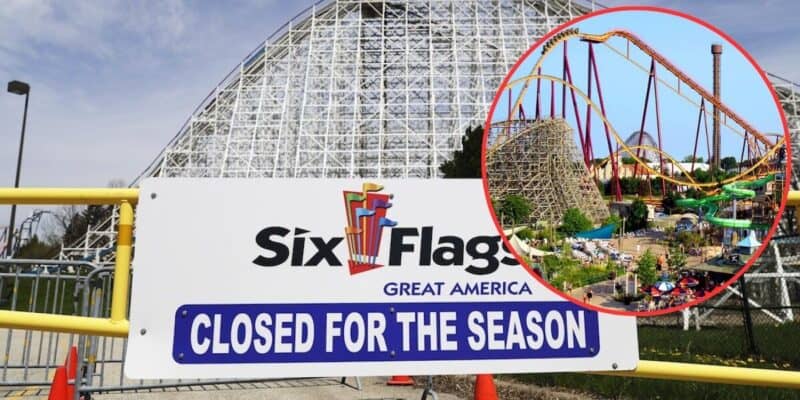
 Credit: Inside the Magic
The theme park industry weathered a brutal 2025 marked by economic headwinds that constrained consumer discretionary spending, extreme weather events that forced closures during critical high-traffic periods, and intensifying competition for leisure dollars from alternative entertainment options. However, not all theme park operators experienced these challenges equally.
The divergent fortunes of regional amusement park chains versus integrated destination resort operators revealed fundamental differences in business model resilience, operational flexibility, and financial stability that became starkly apparent as the year progressed and market conditions deteriorated.

Regional amusement parks that depend primarily on local and drive-in visitation from nearby metropolitan areas proved particularly vulnerable to the combined pressures of economic uncertainty and weather disruptions. When families face financial constraints, they first cut discretionary spending on activities like theme park visits that require upfront admission costs, parking fees, and food expenses that can easily exceed several hundred dollars for a single day.
Regional parks lack the destination appeal that might justify travel expenses and multi-day commitments, making them especially susceptible to attendance declines when household budgets tighten. Meanwhile, weather-related closures disproportionately impact regional operators because they cannot spread risk across geographically diverse properties the way global operators can.
The contrast between Six Flags Entertainment and Disney in 2025 illustrates these dynamics with remarkable clarity. Six Flags stock plummeted approximately 70 percent year-to-date, trading around $14 per share after opening above $55 following its 2024 merger with Cedar Fair. Disney stock, by comparison, remained virtually unchanged for the year, down just 0.1 percent and closing near $111 per share as of last Friday.
This dramatic performance gap reflects not just different market positions but fundamentally different business models, operational strategies, and financial structures that positioned one company to weather industry challenges while the other collapsed under their weight.
Six Flags’ Disastrous Year

The July 1, 2024 merger between Cedar Fair and Six Flags created what was billed as a “merger of equals” that would establish North America’s largest regional amusement park operator. The combined entity controlled 27 amusement parks, 15 water parks, and nine resorts, with the transaction promising significant cost synergies and enhanced operational scale.
Instead, the integration exposed serious difficulties, operational missteps, and vulnerability to external pressures that had been underestimated or ignored during merger planning.
The combined company inherited substantial debt, approximately $5 billion at the end of Q3 2025, which severely constrained financial flexibility and forced cost-cutting measures that ultimately damaged operations. Management implemented staffing reductions and operational cutbacks that affected guest experience while pursuing aggressive pricing strategies that alienated cost-conscious visitors.
This combination of reduced service quality and higher prices proved toxic for a regional operator whose value proposition depends on providing affordable family entertainment.
Attendance performance revealed the strategy’s failure. Despite having 42 percent more operating days year-to-date compared to the pre-merger companies, attendance increased only 23 percent. This underperformance reflected both the integration challenges and external factors, particularly weather impacts that closed parks on approximately 60 percent of affected days during peak high-attendance weekends.
Regional parks cannot easily compensate for lost weekend attendance because local visitors generally cannot shift their visits to weekdays the way destination tourists can.
Financial results deteriorated dramatically. Third-quarter revenue fell 2 percent to $1.32 billion, missing analyst expectations. More troubling was the repeated downward revision of full-year adjusted EBITDA guidance, which started at $1.08 billion to $1.12 billion in August before being slashed to $780 million to $805 million by November.
These revisions signaled fundamental problems beyond temporary setbacks, suggesting the business model itself was failing under current conditions.
The crisis prompted CEO Richard Zimmerman to announce in August that he would step down at year end. Activist investor JANA Partners acquired a 9 percent stake, pushing for strategic and governance changes. Multiple analyst downgrades followed as the extent of Six Flags’ problems became clear, driving the stock’s 70 percent collapse.
Park Closures Signal Deeper Problems

Six Flags officially closed two parks at the end of the 2025 season, marking a significant retreat for the regional operator. Six Flags America and Hurricane Harbor in Bowie, Maryland shut down in early November after management determined the location was not a “strategic fit” for the combined company’s portfolio.
California’s Great America in Santa Clara is slated for closure by 2027, though the decision was part of the same strategic review that led to the Maryland closures.
The California property’s closure was driven primarily by land value considerations, with the Santa Clara real estate potentially worth more for alternative development than for continued theme park operations. The Maryland closures represented a more direct acknowledgment that some legacy properties could not generate adequate returns under current market conditions and operational constraints.
These closures reflect Six Flags’ need to rationalize its portfolio and focus resources on properties with better growth potential and stronger market positions. However, shuttering parks also reduces the company’s overall scale, potentially diminishing the synergies that were supposed to justify the merger in the first place.
Disney’s Contrasting Performance

Disney’s Experiences segment, encompassing theme parks, resorts, and Disney Cruise Line, delivered record operating income of $10 billion in fiscal 2025 despite facing the same industry headwinds that devastated Six Flags.
While Disney acknowledged that overall attendance weakened, falling 1 percent for the fiscal year compared to a 1 percent increase in 2024, the company offset this softness through higher per-capita guest spending and operational efficiencies.
The majority of Disney Experiences revenue continues flowing from Disneyland Resort in California and Walt Disney World Resort in Florida, but the company saw increased crowds and spending at international properties, particularly Disneyland Paris. New attractions like World of Frozen elevated spending and drove growth through increased visitation at properties that benefited from major capital investments.
The launch of Disney Treasure, the latest Disney Cruise Line expansion, contributed higher passenger days and revenue, demonstrating how Disney’s diversified portfolio within the Experiences segment provides multiple revenue streams that can partially compensate when one area underperforms.
What fundamentally distinguishes Disney from Six Flags is the former’s diversified revenue model, premium positioning, dynamic pricing capabilities, and strong brand identity that commands customer loyalty even during economic downturns.
Disney’s global scale and iconic intellectual property create pricing power that regional operators cannot match. Families will stretch budgets for a Disney vacation in ways they will not for a regional amusement park visit.
Beyond the Experiences segment, Disney’s broader presence across media, streaming, and content creation provides financial stability that pure-play theme park operators lack. This diversification allows Disney to weather challenges in any single business line while maintaining overall corporate health.
The contrast between Six Flags’ 70 percent stock decline and Disney’s flat performance in 2025 illustrates how business model fundamentals, financial strength, and operational execution determine survival during industry downturns. Six Flags entered the year burdened by merger integration challenges and excessive debt, then compounded these problems through strategic missteps that alienated customers while closing parks.
Disney leveraged its global scale, premium positioning, and diversified revenue streams to maintain profitability even as attendance softened, demonstrating the resilience that comes from operating as an integrated entertainment conglomerate rather than a regional amusement park chain.