 12
12
 Credit: kaleb tapp on Unsplash
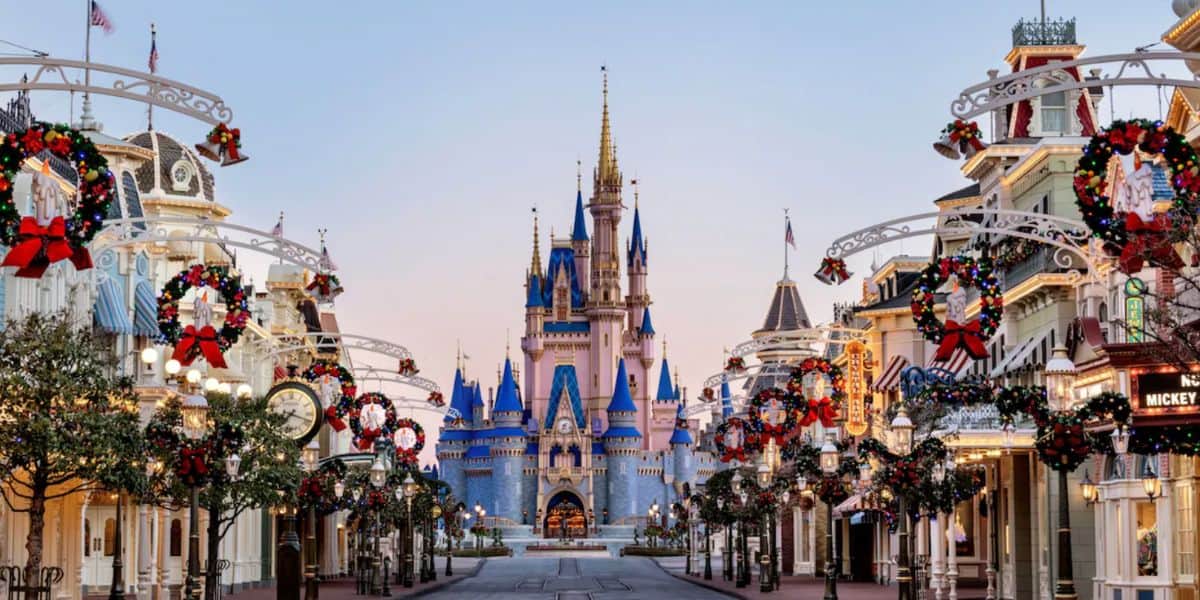
For generations of guests, Main Street, U.S.A. has been more than just the entrance to a theme park. It’s the emotional runway into the day. The music swells. The storefronts frame the view. Cinderella Castle sits patiently at the end of the street. And right beneath your feet, those familiar steel trolley tracks quietly guide you forward.
They’ve always been there. Since opening day in 1971, those tracks have been a permanent part of Magic Kingdom. Guests don’t usually think twice about them.
They’re just part of the scenery, part of the rhythm of Main Street. But a newly filed guest lawsuit has suddenly put those tracks under a microscope — and for the first time in decades, their future feels less certain than it ever has before.
A Lawsuit That Challenges a “Normal” Part of Main Street
Walt Disney World sees trip-and-fall lawsuits all the time. That alone isn’t news. What makes this case different is what the lawsuit points to as the cause.
According to the complaint, a guest alleges that she tripped and fell on or near the embedded trolley tracks on Main Street, U.S.A., sustaining serious injuries.
The lawsuit argues that the steel rails create changes in level and gaps where the tracks meet the surrounding pavement, which can act as tripping hazards during normal park operations. It further claims that there were not adequate warnings or protective measures in place during crowded conditions.
That framing is important. This isn’t a claim about a broken sidewalk or a temporary maintenance issue. It’s a direct challenge to something that has existed for more than five decades — a design element that has always been considered standard for Main Street.
In other words, the lawsuit isn’t saying Disney failed to fix something. It’s saying Disney shouldn’t have it there at all, at least not in its current form.
Why the Trolley Tracks Have Always Been There
To understand why this conversation feels so significant, you have to understand why the tracks exist in the first place.
Main Street, U.S.A. was never meant to be just a walkway. Walt Disney designed it to feel like a living, breathing American town from the early 1900s. Transportation was part of that illusion. The tracks weren’t decorative — they were functional.
For decades, Main Street vehicles ran regularly. Trolleys rang their bells. Fire engines carried guests toward the castle. Horse-drawn streetcars moved up and down the street. The tracks guided those vehicles and helped make Main Street feel active and alive.
Because of that, the tracks became normalized. Guests learned to step over them. Stroller wheels learned to navigate them. Cast Members learned to manage foot traffic around them. They were no different than curbs, bricks, or stairs — just another part of the environment.
That’s why Disney has never treated the tracks as a problem. They weren’t a flaw. They were a feature.
But over time, the role those tracks play has quietly changed.

Modern Crowds Have Changed the Equation
In recent years, Main Street vehicles have become far less central to daily operations. While there are still entertainment options, vehicles now operate less frequently, and some days not at all.
The result is a strange imbalance. The tracks are still there, but their practical purpose has diminished. For many guests, they are no longer associated with moving vehicles. They’re simply something you walk over, but they still have sentimental value.
Anyone who spends enough time on Main Street has seen close calls. Stroller wheels catching in the rails. Ankles wobbling. Guests stumbling when they aren’t watching their footing. Most of the time, it’s minor. Sometimes, it isn’t.
As crowd levels have increased over the years, the margin for error has shrunk. Main Street is now one of the busiest pedestrian corridors in the entire resort, especially during parade times, fireworks exits, and nighttime rushes.
That doesn’t automatically mean the design is unsafe. But it does mean that features created for a different era are being experienced under very different conditions — and that’s often where legal pressure starts to build.
Could Disney Actually Remove the Tracks?
The idea of Disney paving over the Main Street trolley tracks sounds unthinkable to longtime fans. Those rails are tied directly to the street’s identity. Removing them would feel like erasing a piece of the park’s DNA.
But Disney has made similar choices before.
Entertainment offerings have been cut. Original concepts have been altered. Attractions once thought untouchable have been removed when they no longer fit modern operations. Nostalgia carries weight, but a court ruling against Disney could force its hand. That said, full removal would likely be a last resort.
If Disney felt compelled to act, more subtle changes would almost certainly come first. Visual contrast treatments. Pavement adjustments. Enhanced crowd management during peak times. Measures that reduce risk without fundamentally altering the look of Main Street, U.S.A.
For now, nothing has changed. The lawsuit is still in its early stages, and Disney has not announced any plans to alter Main Street, U.S.A. Most cases like this resolve quietly, without sweeping operational consequences.
Still, the fact that the tracks are being questioned at all is notable.
They’ve always been there. They’ve always been accepted as part of the experience. And yet, this lawsuit introduces a rare sense of uncertainty around one of Magic Kingdom’s most quietly iconic features.
In a park built on familiarity, even the suggestion of change carries real weight.