
 Credit: David Aughinbaugh II, Flickr
The carefully maintained image of Walt Disney World as a place of pure escapism and endless magic rarely includes acknowledgment of the significant emergency response infrastructure operating behind the scenes.
Millions of guests flow through the resort’s four theme parks, two water parks, dozens of hotels, and Disney Springs every single month, creating an environment that functions less like a traditional vacation destination and more like a bustling metropolitan area complete with its own law enforcement, fire response, and medical emergency teams working around the clock to manage whatever situations arise.
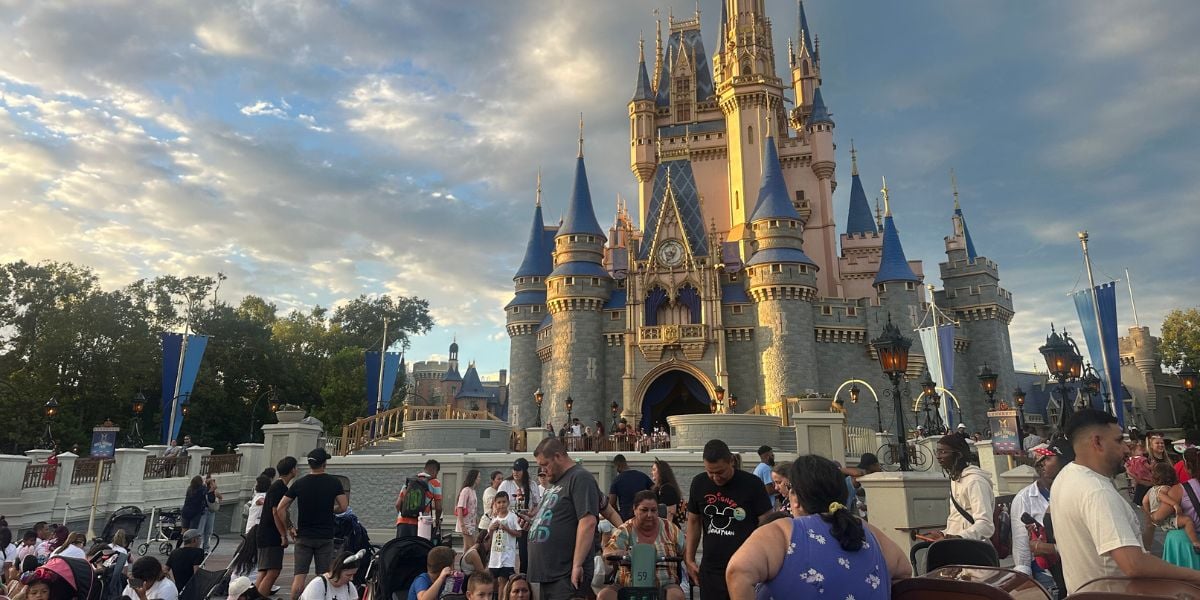
Most guests never see this side of Disney World, and that’s entirely by design. The resort has perfected the art of handling emergencies discreetly, whisking away medical situations with minimal disruption to the overall guest experience. Cast members are trained to respond quickly and efficiently, security personnel blend into the environment, and emergency vehicles navigate backstage routes that keep them invisible to the thousands of families simply trying to enjoy their vacations.
This careful orchestration allows Disney to maintain the illusion that nothing ever goes wrong in the most magical place on earth, even as emergency responders handle hundreds of calls every single month across the sprawling 25,000-acre property.
However, the rise of social media accounts dedicated to monitoring emergency dispatch activity has pulled back the curtain on this aspect of theme park operations. Real-time tracking of emergency calls has given the public unprecedented visibility into incidents that would have previously remained entirely unknown outside of those directly involved and the first responders who handled them.
This transparency has sparked conversations about theme park safety, the realities of operating venues that serve tens of thousands of people daily, and whether the volume of emergency activity at Disney World should be cause for concern or simply recognized as an inevitable byproduct of scale.
Walt Disney World: Active Calls shared one call from Disney’s Hollywood Studios, “@WDWActiveCrime🚨 Police Alert 🚓 – 12/14/25 11:11 AM🚨: Person Down at 📍: Disney’s Hollywood Studios #WaltDisneyWorld #disney”
🚨 Police Alert 🚓 – 12/14/25 11:11 AM
🚨: Person Down at 📍: Disney’s Hollywood Studios#WaltDisneyWorld #Disney pic.twitter.com/qjZJs4LSwE— Walt Disney World: Active Calls (@WDWActiveCrime) December 14, 2025
As well as a call from Magic Kingdom inside Be Our Guest, “ Police Alert 🚓 – 12/13/25 8:01 PM🚨: Person Down at 📍: Magic Kingdom Drive #WaltDisneyWorld #disney”
🚨 Police Alert 🚓 – 12/13/25 8:01 PM
🚨: Person Down at 📍: Magic Kingdom Drive#WaltDisneyWorld #Disney pic.twitter.com/v02xiE9zbT— Walt Disney World: Active Calls (@WDWActiveCrime) December 14, 2025
Two Person Down Calls in 24 Hours
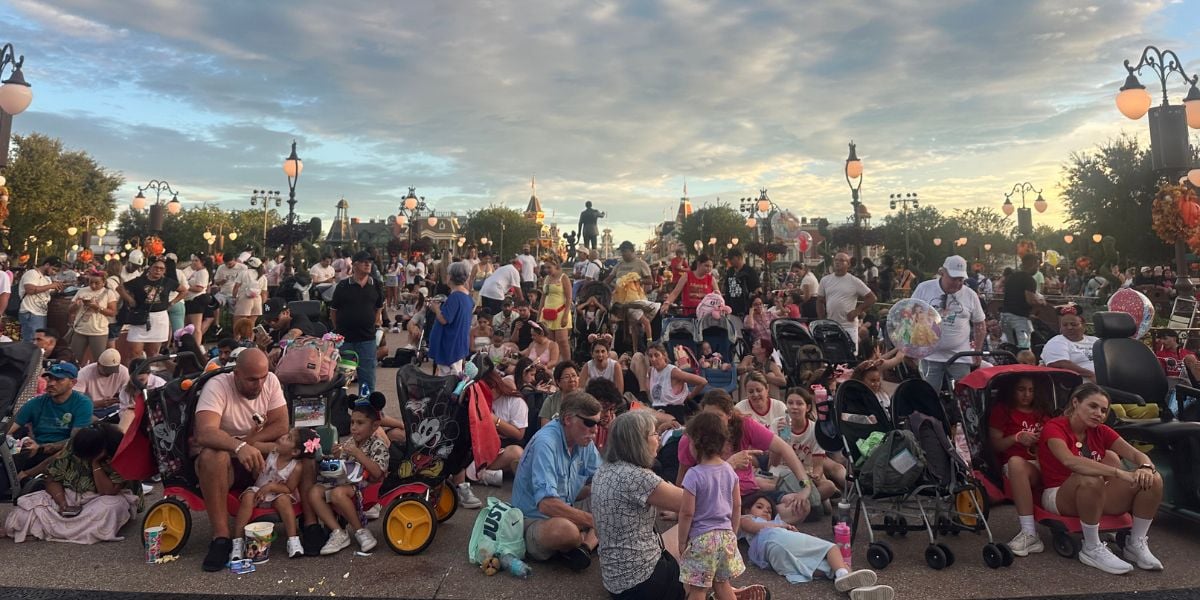
According to alerts from Walt Disney World: Active Calls, a social media account that monitors emergency dispatch activity across Disney property, person down incidents were reported at both Disney’s Hollywood Studios and Magic Kingdom within a 24-hour period. These alerts represent situations where someone has collapsed or become unresponsive, requiring immediate medical attention from on-site emergency personnel.
The specific details surrounding these incidents remain unknown. The dispatch monitoring system captures the nature of the call and the location but does not provide information about what caused the medical emergency, the condition of the individuals involved, or the outcome of the response. This limited information is standard for emergency dispatch monitoring, as patient privacy laws and Disney’s own protocols prevent the release of detailed medical information about guests or cast members who require emergency assistance.
Person down calls can encompass a wide range of medical situations. In a theme park environment, these incidents often involve heat exhaustion, dehydration, cardiac events, or complications from pre-existing medical conditions exacerbated by the physical demands of navigating a theme park. The walking distances at Walt Disney World are substantial, with guests regularly logging several miles per day as they move between attractions, dining locations, and shows.
Combined with Florida’s heat and humidity, the physical toll can be significant, particularly for guests with underlying health conditions or those unaccustomed to extended periods of physical activity.
The fact that two person down incidents occurred within such a short timeframe at two different parks does not necessarily indicate a pattern or systemic safety issue. With hundreds of thousands of guests visiting Walt Disney World during any given week, medical emergencies are statistically inevitable. The resort sees a cross-section of the entire population, including elderly guests, individuals with chronic health conditions, and families who may be pushing themselves harder than usual to maximize their vacation time.
Understanding Emergency Call Volume at Disney World
To put these person down incidents in context, it helps to understand the overall volume of emergency activity at Walt Disney World. According to data shared by Walt Disney World: Active Calls, the resort logged 462 emergency calls during November alone. That number spans all four theme parks, the water parks, resort hotels, and Disney Springs, covering everything from vehicle crashes to medical emergencies to criminal activity.
The breakdown of November’s calls reveals the diversity of situations emergency responders handle at Disney World. Vehicle crashes topped the list with 62 calls, including five that involved injuries. Trespassing incidents accounted for 52 calls, representing guests entering restricted areas or attempting to remain on property after closing. There were 40 suspicious incident calls, 27 well-being checks, and 25 verbal fights requiring security intervention.
Notably, person down calls represented 22 of November’s 462 total emergency responses. This category ranks among the more serious types of calls Disney’s emergency teams handle, as it typically indicates someone has collapsed or become unresponsive and requires immediate medical attention. These situations demand rapid response from trained medical personnel who can assess the situation, provide necessary treatment, and determine whether transport to an outside medical facility is required.
Other serious calls in November included 15 rescue or medical incidents, 13 battery calls where individuals had left before authorities arrived, nine confirmed battery incidents requiring police involvement, and three aggravated assault calls. The data also showed two missing person reports, two deceased person calls, four physical fights, and various theft and fraud incidents.
The two deceased person calls from November highlight the reality that fatal medical events can occur at Disney World, just as they can occur anywhere else. In many cases, these involve guests with existing medical conditions who experience fatal cardiac events or other medical emergencies while on vacation. The stress of travel, changes in routine, physical exertion, and environmental factors can all contribute to medical crises in individuals already at risk.
The Reality of Operating a City-Sized Resort
Walt Disney World functions as a small city, complete with its own infrastructure, security force, fire department, and emergency medical services. The resort employs thousands of cast members dedicated specifically to safety and security operations, working in coordination with the Orange County Sheriff’s Office and Reedy Creek Fire Department to respond to incidents across the property.
This level of emergency response capability exists precisely because Disney World sees the kind of activity volume that necessitates it. On busy days, Magic Kingdom alone can host over 50,000 guests. Multiply that across four parks, plus all the resort hotels and Disney Springs, and you’re looking at well over 100,000 people on property at any given time.
That’s the population of a decent-sized city, compressed into a relatively small geographic area and engaging in activities that involve physical exertion, exposure to heat, consumption of food and alcohol, and operation of vehicles.
From this perspective, 462 emergency calls in a month works out to roughly 15 per day across the entire resort. For a venue serving hundreds of thousands of people daily, that number reflects robust monitoring and rapid response rather than an unsafe environment. Most major cities with comparable populations would see significantly higher emergency call volumes.
The person down incidents at Hollywood Studios and Magic Kingdom fall within the expected range of medical emergencies for a venue of Disney World’s size and visitor volume. While any medical emergency is serious for the individual involved and their family, the occurrence of such incidents does not suggest systemic safety problems at the resort.
Transparency Through Social Media Monitoring
The existence of accounts like Walt Disney World: Active Calls represents a relatively new phenomenon in theme park operations. For decades, emergency incidents at Disney World remained largely invisible to the general public unless they were serious enough to generate news coverage. Guests experiencing medical emergencies were handled discreetly, and most visitors remained completely unaware that anything had occurred.
Social media monitoring of dispatch activity has changed that dynamic entirely. Now, every emergency call generates a public record that can be shared instantly with thousands of followers. This transparency provides unprecedented insight into the operational realities of running a major theme park, but it can also create misleading impressions about safety if incidents are viewed in isolation rather than in the context of overall visitor volume.
The two person down calls within 24 hours might seem alarming when highlighted individually, but they represent a tiny fraction of the hundreds of thousands of guest interactions happening simultaneously across Disney World. The resort’s ability to respond quickly and effectively to these medical emergencies demonstrates the strength of its emergency response infrastructure rather than evidence of unsafe conditions.
For guests planning visits to Walt Disney World, the key takeaway is to take personal health seriously while at the parks. Stay hydrated, take breaks when needed, be realistic about physical limitations, and don’t hesitate to seek medical attention if you feel unwell. Disney’s emergency response teams are trained, equipped, and positioned throughout the property specifically to handle medical situations when they arise.