 1
1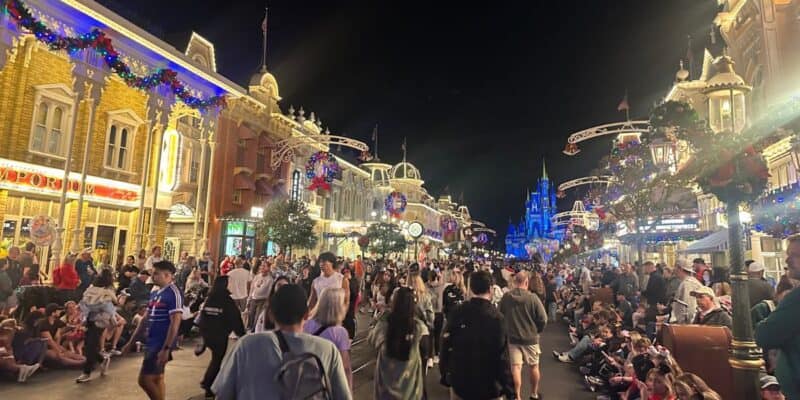
 Credit: Inside the Magic
Dynamic pricing systems for theme park line-skipping products operate on the fundamental principle that prices rise when demand increases, creating market-based equilibrium where guests willing to pay premium rates can access shorter wait times while the resort captures additional revenue during peak periods.
Disney World has aggressively implemented this pricing philosophy with Lightning Lane products over the past several years, establishing a pattern where holiday seasons and major vacation periods reliably trigger new all-time high prices as the resort tests how much guests will pay to bypass standby queues during the busiest days of the year.
Each successive price increase has pushed the boundaries of what families are willing to spend on top of already expensive park admission, resort accommodations, dining, and merchandise.

However, the 2025 holiday season has broken this established pattern in a notable way. For the first time in recent memory, Disney has not set new all-time high prices for any Lightning Lane product during what is typically the resort’s most crowded and lucrative period. Magic Kingdom’s Lightning Lane Multi Pass remains capped at $45 per person, the same peak price established in October 2025.
Single Pass attractions like TRON Lightcycle Run, Guardians of the Galaxy: Cosmic Rewind, and Rise of the Resistance are holding at their October highs rather than climbing to new peaks despite massive holiday crowds that would typically justify higher pricing under Disney’s demand-based model.
This pricing ceiling is particularly significant because it arrives during a period when park capacity is clearly being tested by visitor volume. Magic Kingdom has been announcing over park speakers that Disney Starlight parade viewing has reached capacity, turning away additional guests from prime viewing locations hours before the evening entertainment begins.
These capacity announcements represent clear evidence of extreme crowding that in previous years would have triggered immediate Lightning Lane price increases.
The fact that Disney is maintaining October pricing rather than pushing higher suggests the company has identified a threshold beyond which further price increases would either fail to generate additional revenue or risk significant guest satisfaction backlash that could damage the brand’s premium positioning.
Current Lightning Lane Price Peaks

The highest prices currently being charged for Lightning Lane products at Walt Disney World reflect the October 2025 increases that have held steady through the holiday season without additional hikes:
Lightning Lane Multi Pass (per park):
- Magic Kingdom: $45
- Disney’s Hollywood Studios: $39
- EPCOT: $37
- Animal Kingdom: $35
Lightning Lane Single Pass (per attraction):
- Star Wars: Rise of the Resistance: $25
- TRON Lightcycle Run: $23
- Guardians of the Galaxy: Cosmic Rewind: $22
- Avatar Flight of Passage: $19
- Seven Dwarfs Mine Train: $15
These prices represent substantial increases from where Lightning Lane products were priced just over a year ago. Magic Kingdom’s Multi Pass has climbed from $35 in November 2024 to $45 currently, a $10 increase representing nearly 30 percent growth in thirteen months.
EPCOT saw even more dramatic percentage increases, jumping from $26 to $37 over the same period. Animal Kingdom’s pricing rose from $22 to $35, reflecting Disney’s efforts to capture more revenue across all four parks rather than just at Magic Kingdom where demand has historically been highest.
The Single Pass attractions have seen more modest but still significant increases. TRON climbed from $20 in September 2024 to $23 currently. Guardians of the Galaxy went from $17 to $22. Rise of the Resistance has remained stable at $25, suggesting Disney identified that price point as the ceiling for individual attraction access earlier than for other products.
Why the Ceiling Exists Now

The most likely explanation for Disney maintaining October pricing through the holiday season is that the company simply hasn’t allowed enough cooling period between the significant October 2025 increases and a potential holiday surge.
The October price hikes were substantial across all products, with some parks seeing increases of $6 to $9 per person for Multi Pass access. Implementing another round of increases just two months later would compound the sticker shock and risk alienating even the most devoted Disney fans willing to pay premium rates for line-skipping privileges.
Disney’s pricing strategy relies on guests gradually accepting higher costs over time rather than experiencing dramatic jumps that feel exploitative or unreasonable. The October increases already pushed prices to levels that generated complaints and social media backlash from guests frustrated by steadily rising costs for what was formerly included with park admission through the FastPass system.
Adding holiday surcharges on top of October’s already elevated pricing would amplify that negative sentiment during a period when Disney wants guests focused on creating magical holiday memories rather than feeling financially squeezed.
The extreme crowding evidenced by parade capacity announcements at Magic Kingdom demonstrates that demand certainly exists to support higher pricing under Disney’s dynamic model. When viewing areas for Disney Starlight are filling to capacity hours before showtime, it signals that park attendance is at levels where theoretically Disney could charge more for Lightning Lane access and still find buyers.
The decision not to increase prices despite this demand suggests Disney is making a strategic choice to prioritize guest satisfaction and brand perception over maximizing short-term revenue extraction.
What This Means Moving Forward
The concept of a pricing ceiling at Disney World is inherently temporary rather than permanent. The resort will eventually implement new all-time high prices for Lightning Lane products as market conditions evolve and Disney identifies opportunities to test higher price points without triggering unacceptable guest backlash. The question is not whether prices will increase again but rather when and by how much.
Looking ahead to 2026, there are limited major events or new attractions that would obviously justify significant Lightning Lane price increases during the first half of the year. The project calendar includes reopenings of existing attractions like Buzz Lightyear’s Space Ranger Spin and Big Thunder Mountain Railroad following refurbishments, but these represent returning capacity rather than new experiences that would fundamentally shift demand dynamics.
Similarly, new films for Soarin’ and updates to Millennium Falcon: Smugglers Run should not logically drive Lightning Lane price increases, though Disney could potentially use them as justification if the company determines market conditions support higher pricing.
The most likely scenario is that Disney implements its typical annual price adjustment in October 2026, continuing the pattern established over recent years where fall brings new pricing tiers across Lightning Lane products.
Whether those increases match the substantial jumps seen in October 2025 or represent more modest adjustments will depend on how Disney interprets guest response to current pricing and whether the company believes the market will bear additional increases.
The Holiday Capacity Reality
The pricing ceiling discussion exists against a backdrop of genuine operational challenges Disney is managing during the current holiday season. The Magic Kingdom parade capacity announcements are just one visible indicator of the crowding levels currently affecting guest experience.
When entertainment viewing areas reach capacity, it means guests who arrived expecting to watch parades are being turned away, creating disappointment and frustration that can overshadow other positive aspects of their visits.
This crowding validates Disney’s decision to maintain rather than increase Lightning Lane pricing. Adding financial pressure through higher line-skipping costs on top of already challenging crowd conditions would compound guest dissatisfaction in ways that could damage long-term brand loyalty.
Disney is making a calculated decision that preserving current pricing represents better overall strategy than capturing additional short-term revenue that might come at the cost of guest goodwill during the most important vacation period of the year.
The 2025 holiday season pricing ceiling represents a temporary pause in Disney’s steady march toward higher Lightning Lane costs rather than a permanent cap on what the company will charge.
However, the decision to hold prices steady despite obvious demand and capacity pressures demonstrates that even Disney recognizes limits to how aggressively it can push pricing without risking broader damage to guest satisfaction and brand perception.