
 Credit: Disney
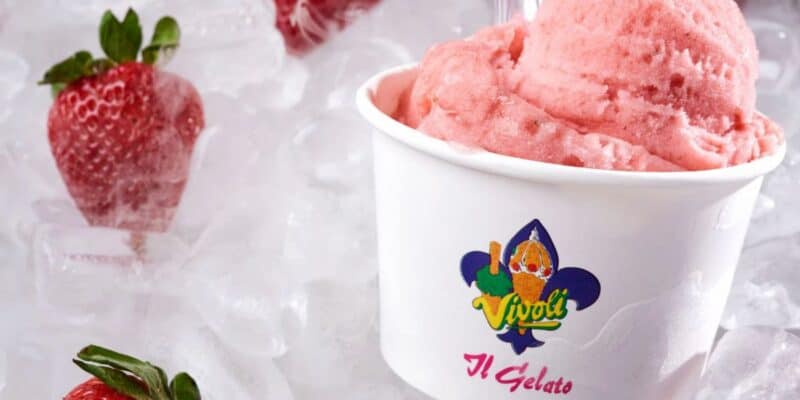
Disney Springs is updating its dining and shopping options, with the recent opening of a dedicated affogato cart from Vivoli Gelato located between World of Disney and Ghirardelli. This cart offers easier access to a popular treat, eliminating the need to visit Vivoli’s full-service location. However, the addition has sparked frustration among regular visitors due to the removal of some outdoor seating, which has reduced the number of places to sit and rest.
Disney Springs draws large crowds, particularly during peak seasons and on weekends, making it challenging to find seating. Regular visitors are quick to notice any decrease in available seating. Although the Vivoli affogato cart has created some additional seating options, overall, there are still fewer seats available than there were before it opened. Guests have expressed dissatisfaction with this change.
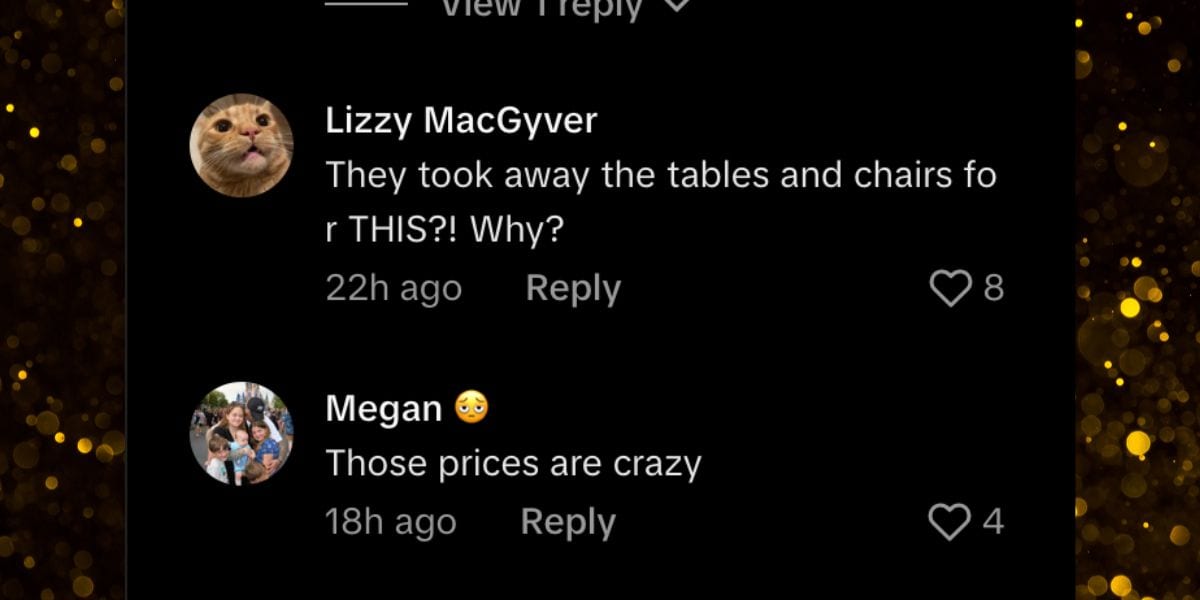
The key question is whether the trade-off is worthwhile. Does convenient access to a popular menu item justify reducing guest seating in a high-traffic area? Guests will have varied opinions based on their priorities and experiences at Disney Springs. This highlights the ongoing tension between Disney’s goal to increase food and beverage revenue and guests’ desire for comfortable, functional spaces that extend beyond shopping.
The Affogato Trend at Disney Springs
Affogato has become increasingly popular at Disney World recently, and Vivoli Gelato has been at the center of that trend. Earlier this fall, social media was filled with posts from guests raving about the affogato at Vivoli’s main location, generating the kind of organic enthusiasm that creates must-try destination status for specific menu items. An affogato, for those unfamiliar, consists of gelato or ice cream topped with hot espresso, creating a dessert and coffee experience that appeals to people seeking something more interesting than standard ice cream or a plain cup of coffee.
The combination of quality gelato and expertly prepared espresso created a sought-after item at Disney Springs. This demand likely led Vivoli to open a dedicated cart for easier access instead of relying solely on the full-service location. From a business standpoint, this strategy makes sense: increasing sales through convenient access to a high-demand product.
The new affogato cart at Disney Springs enables guests to quickly grab a treat while shopping in the Marketplace, offering convenience for those with limited time. This setup helps Vivoli capture sales from guests who might not walk to their main location but will make an impulse purchase when the cart is nearby.
Everglazed Joins the Pop-Up Strategy
Vivoli isn’t the only Disney Springs establishment expanding through smaller satellite locations. Everglazed, the popular doughnut shop, has also ventured into the Marketplace with a holiday pop-up stand selling a curated menu of seasonal doughnuts. Located near the carousel, this stand offers guests quick access to Everglazed treats, eliminating the need to walk all the way to the West Side, where the main location is situated.
This pop-up approach makes particular sense for Everglazed because doughnuts are ideal grab-and-go items. You don’t need table service or elaborate preparation. You select your doughnuts, pay, and continue with your day. Having that option available in a high-traffic Marketplace area captures sales from guests who want something sweet but aren’t committed to making Everglazed a specific destination during their Disney Springs visit.
The holiday timing also creates a sense of urgency and exclusivity. Seasonal menu items available for a limited period at a temporary location generate FOMO, driving purchases from guests who know they won’t have another opportunity to try these specific offerings. It’s smart merchandising that leverages Disney Springs’ infrastructure while creating additional revenue streams for established brands.
The Broader Strategy and Potential Concerns
The strategy of established Disney Springs restaurants and shops expanding through carts and pop-up locations represents innovative thinking about how to maximize the complex’s revenue potential. Instead of guests needing to visit specific areas to access certain brands, those brands come to where the guests already are, reducing friction and increasing impulse purchase opportunities.
From Disney’s perspective, this approach fills spaces with revenue-generating activity rather than leaving them as pure guest amenity areas. Every square foot of Disney Springs represents potential income, and converting areas that previously just provided seating into branded food carts increases the commercial density of the space.
But there are legitimate questions about whether this optimization serves guests’ long-term interests. Disney Springs needs functional public spaces where guests can sit, rest, regroup, and exist without actively spending money. The complex functions as more than just a shopping mall. It’s a gathering place, a dining destination, a place where families spend entire evenings. That requires infrastructure supporting extended visits beyond just purchasing opportunities.
Reducing seating capacity, even incrementally through individual cart additions, degrades the guest experience when Disney Springs reaches high capacity. Finding available seating during peak periods already requires patience and sometimes a bit of luck. Every seating area that is converted to commercial space exacerbates this challenge slightly.
What Might Come Next at Disney Springs
The success of Vivoli’s affogato cart and Everglazed’s holiday pop-up will likely influence whether other Disney Springs establishments pursue similar expansions. Gideon’s Bakehouse, which regularly has lines extending down the block, could potentially benefit from a satellite cart selling a limited menu of its most popular items. Restaurants with signature appetizers or desserts might test cart concepts, allowing guests to purchase these specific items without committing to a full table service meal.
The question is whether Disney and its individual businesses will strike a balance between commercial expansion and maintaining functional public spaces that support comfortable guest experiences. Disney Springs works best when it provides both shopping and dining options, plus environments where guests can relax, socialize, and enjoy the atmosphere without constant pressure to purchase.
The Vivoli affogato cart serves guests wanting convenient access to a popular treat. The seating it replaced served guests needing places to rest during extended Disney Springs visits. Both functions have value. The challenge is finding an equilibrium where commercial activity and guest amenities coexist rather than compete for the same physical space.
For now, guests wanting affogato have easier access than before, which many will appreciate. Guests looking for seating in that particular area have fewer options than before, which some will resent. Whether this trade-off represents a good long-term strategy for Disney Springs depends on how many similar conversions happen and whether total seating capacity keeps pace with growing visitor numbers and increasing commercial density.