38
38
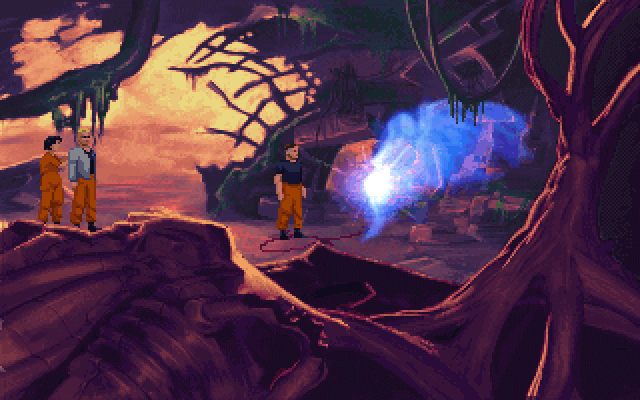
Maniac Mansion. Monkey Island. Sam & Max. Day of the Tentacle. Grim Fandango. X-Wing. TIE Fighter. Dark Forces.
RIP.
Following Disney’s $4 billion acquisition of Lucasfilm, they have announced the closure of LucasArts the 30-year old video game studio responsible for years of classic gaming spanning multiple genres. Its staff of 150 people has been laid off and ongoing projects “Star Wars: First Assault” and “Star Wars 1313” have been cancelled.
Disney has its own gaming unit, Disney Interactive, currently in the midst of finishing Disney Infinity, a gaming initiative to be proud of. But not needing a separate game studio in their company, LucasArts has been shuttered, leaving the future of “Star Wars” gaming up to other developers, according to Disney’s LucasFilm’s statement:
“After evaluating our position in the games market, we’ve decided to shift LucasArts from an internal development to a licensing model, minimizing the company’s risk while achieving a broader portfolio of quality Star Wars games. As a result of this change, we’ve had layoffs across the organization. We are incredibly appreciative and proud of the talented teams who have been developing our new titles.”
There are a few twists of irony to this story. Current Pixar employee Steve Purcell, who most recently contributed to the Oscar-winning film “Brave,” is the creator of Sam & Max, originally comic book characters, ultimately spinning off into a video game series (and even briefly on television). His job remains at Disney while former LucasArts colleagues are forced out.
Moreover, the Monkey Island series practically shares the same universe as Disney’s “Pirates of the Caribbean” attraction, with its creator Ron Gilbert strongly influenced by the ride. A Monkey Island movie was even in the works for a while in conjunction with Industrial Light and Magic. Years later, the highly-successful “Pirates of the Caribbean” series of films unofficially borrowed elements from the worlds of Monkey Island, bringing it all full circle. But with the Lucasfilm purchase, Gilbert worried that Monkey Island would be lost in favor of the “Pirates” series. Today he tweeted, “Sad day today, but not surprising, you had to see that coming. I was employee #9 at Lucasfilm Games.” He also laments the fact that even with the shutdown of LucasArts, Disney still owns the Monkey Island intellectual property, not Gilbert, sternly refusing to license it back from them for any future use.
But all is not hopeless. The Sam & Max and Monkey Island series have recently found new life through Telltale Games, a company founded by former LucasArts employees. There are no announced plans to continue these games at Telltale, but after their recent success with their highly-acclaimed episodic games based on “The Walking Dead” and “Back to the Future,” fans will certainly be looking to them for a continuation of more beloved properties.
No gamers who grew up with the best of the LucasArts ’90s classics will forget the endless hours of adventure enjoyed across many exciting and often humorous titles, each beginning with that famous “Gold Guy” logo:

So today we pay our respects to the glory days of LucasArts, now holding a permanent place in gaming history:



Sure, it’s been quite a few years since LucasArts developed a great game in-house, often outsourcing that task to outside companies in later years, leaving LucasArts merely as a publisher and collaborator. But that “LucasArts” name is still strong today. While it may not be a good business decision to keep the studio running at Disney, there certainly is nostalgia lingering for that classic brand, with excited feelings stirring each time that famous “Gold Guy” logo appears. But as of today, those are now just memories from a long time ago, in a gaming system not so far away.