 Credit: Disney
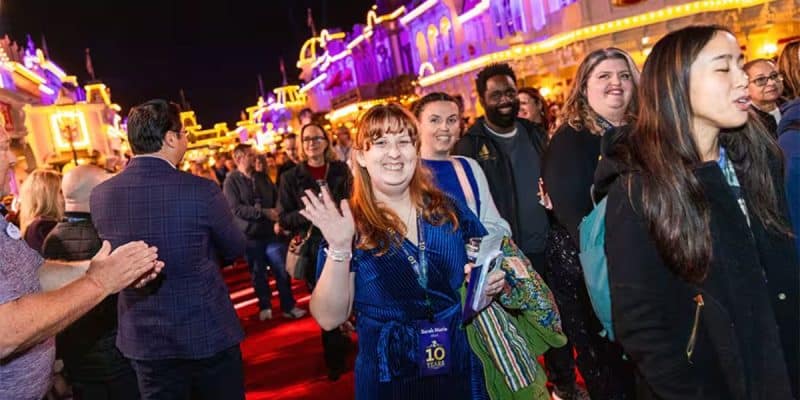
For decades, the foundation of the Disney theme park experience has not been its roller coasters, fireworks, or fairy-tale castles, but its human Cast Members. From friendly parking attendants orchestrating morning arrival waves to backstage crews keeping attractions operating seamlessly, warm personal interaction has long been a defining part of Disney’s guest experience.

Now, a wave of behind-the-scenes technological experiments is raising questions about how much of that experience could eventually be handled by machines.
At the recent 2026 Disney Accelerator Demo Day in Burbank, The Walt Disney Company showcased collaborations with cutting-edge artificial intelligence and robotics firms. Among the most eye-opening projects: autonomous robots being explored for potential parking operations and future character-based experiences, as well as adaptable robotic arms being developed to handle repetitive backstage tasks involving 3D glasses.
While Disney describes these emerging systems as potential assistants that could improve working conditions and relieve employees of repetitive tasks, the timing has raised questions across the entertainment industry. Coming on the heels of repeated corporate cuts, shifting labor dynamics, and reports that thousands of additional Disney jobs could eventually be eliminated, workers have reason to wonder: is Disney simply developing tools to assist its employees, or could these experiments eventually become part of a broader effort to replace human labor?
Directing Traffic: AI ‘Cars’ and the Future of Disney Parking
One of Disney’s most visible public-facing robotics experiments involves FieldAI, an Irvine-based artificial intelligence and autonomy developer working with Disney Experiences Technology and Walt Disney Imagineering’s research and development teams.
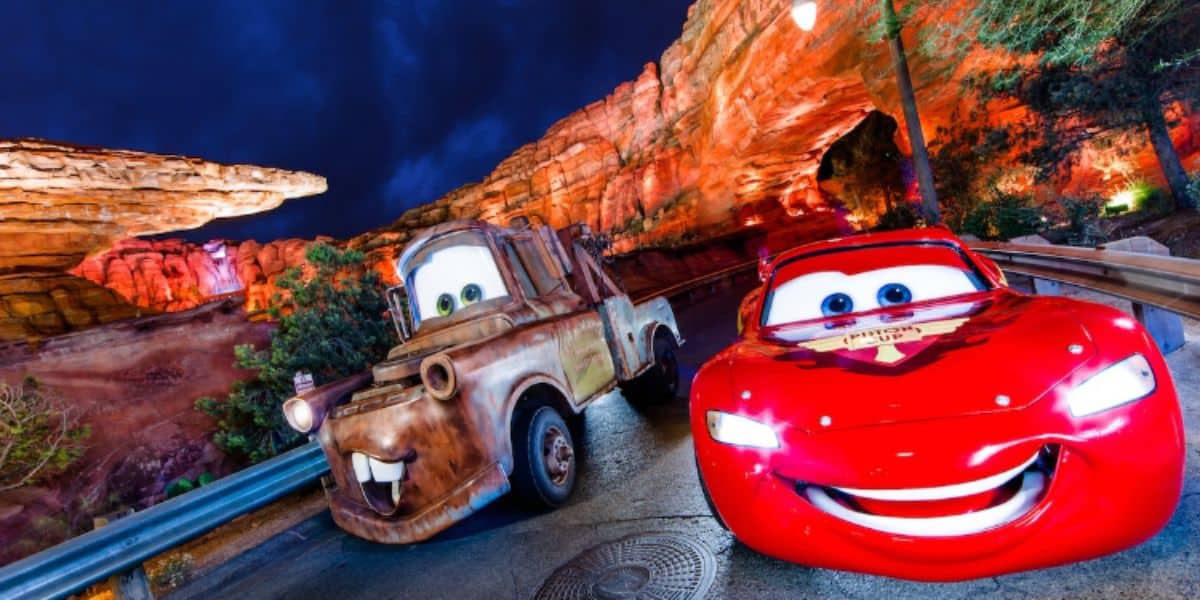
During the Burbank showcase, Disney highlighted autonomous mobile robots capable of navigating complex environments. The company specifically mentioned the possibility of using robots inspired by Pixar’s Cars and Wall-E to interact with guests, including directing visitors to parking areas.
Disney’s official announcement confirmed that the collaboration is exploring how FieldAI’s technology could support parking operations across challenging terrain and unpredictable weather conditions. The stated goal is to improve the working environment and provide a more consistent guest experience.

However, Disney has not announced that these robots are already directing vehicles through Disneyland’s Pixar Pals or Mickey & Friends parking structures. Nor has the company confirmed that the systems are currently assigning open parking spaces, coordinating traffic patterns, or operating as replacements for human parking attendants. Those remain possibilities to consider as the technology develops, rather than established capabilities.
Addressing the initiative in a presentation video, Disney Experiences Senior Vice President Gary Daniels framed the experiment around guest imagination:
“Imagine if a character from Cars or robots from Wall-E direct you where to park when you arrive. The work we are doing now is a great way to see how the robots function and, as important, how people respond.”

Yet for the parking attendants who stand on asphalt in extreme summer heat and exhaust fumes, the prospect of introducing autonomous systems into their workplace raises an understandable question. Directing traffic has historically served as an important role within Disney’s resort operations. If character-inspired robots eventually become capable of managing more of that work, how might it affect the number of human employees needed to keep parking facilities running?
Disney has not announced plans to eliminate parking positions or replace its existing workforce with autonomous machines. Still, the possibility that some responsibilities could eventually be automated is difficult to ignore, particularly as the technology advances.
Backstage Sorting: Robotic Arms Tackle the 3D Glasses Grind.
While FieldAI’s technology could eventually have a visible presence around Disney’s parking operations, a second robotics partnership targets repetitive backstage work.

Disney confirmed it is collaborating with Physical Intelligence, an advanced general-purpose robotics company, to explore robotic systems that can handle and arrange 3D glasses between attraction shows.
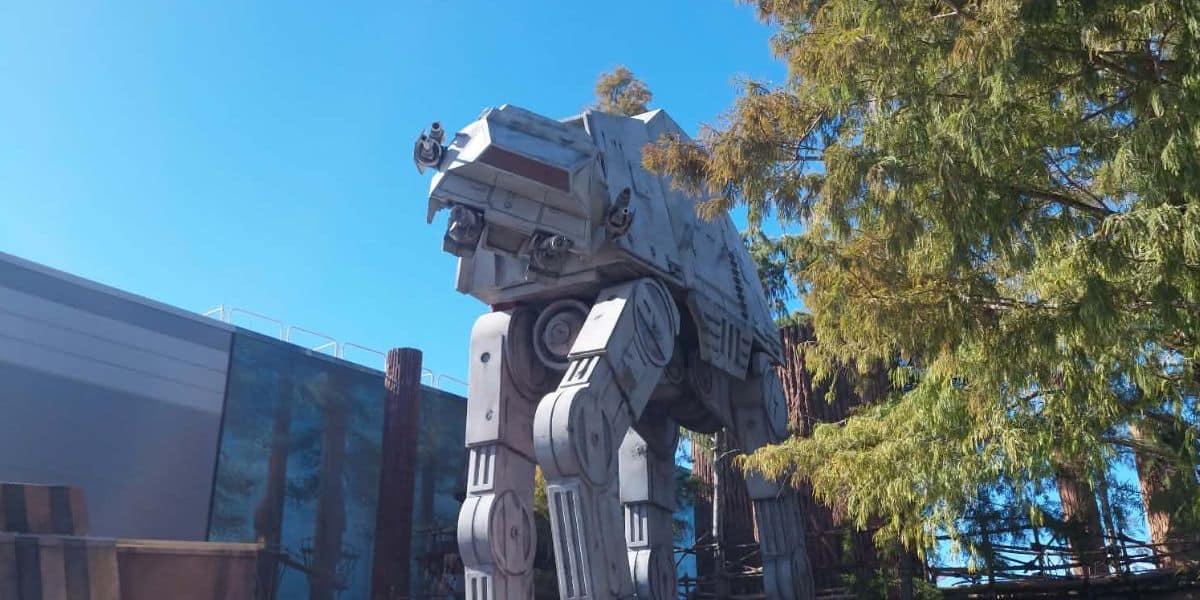
At attractions like Star Tours: The Adventures Continue, Toy Story Midway Mania!, and Millennium Falcon: Smugglers Run, guests regularly use 3D glasses as part of their experiences. Collecting and preparing those glasses for subsequent showings requires backstage work, creating an opportunity for automation to assist employees with repetitive handling tasks.
Disney’s announcement specifically identified the possibility of using Physical Intelligence’s robotic models to handle and arrange 3D glasses for cleaning between shows. The collaboration is still exploratory, however, and Disney has not announced a fully automated system operating across its attractions.

The company has also not confirmed that robotic arms are already collecting bins, separating tangled glasses, loading into industrial washing equipment, inspecting lenses, or repacking cleaned glasses for distribution. Those are potential stages of a larger process, but the publicly disclosed project is much narrower.
While Disney has presented the technology as a way to assist with repetitive backstage tasks, the prospect of automating even part of this work raises questions about the future of the employees who currently perform it. Custodial, operations, and support positions are essential to keeping attractions functioning, and the introduction of robotic assistance could eventually change how some of those responsibilities are assigned.
For now, there is no evidence that Disney is systematically replacing these employees with robotic arms. But the partnership demonstrates that the company is actively exploring ways to bring adaptable robotics into areas of theme park operations that have traditionally relied on human labor.
Rumors Swirl: Are Thousands of Layoffs Approaching?
The sudden emergence of parking robots and backstage automation experiments cannot be viewed in a vacuum. They arrive during a period of significant workforce reductions and cost-cutting across The Walt Disney Company.
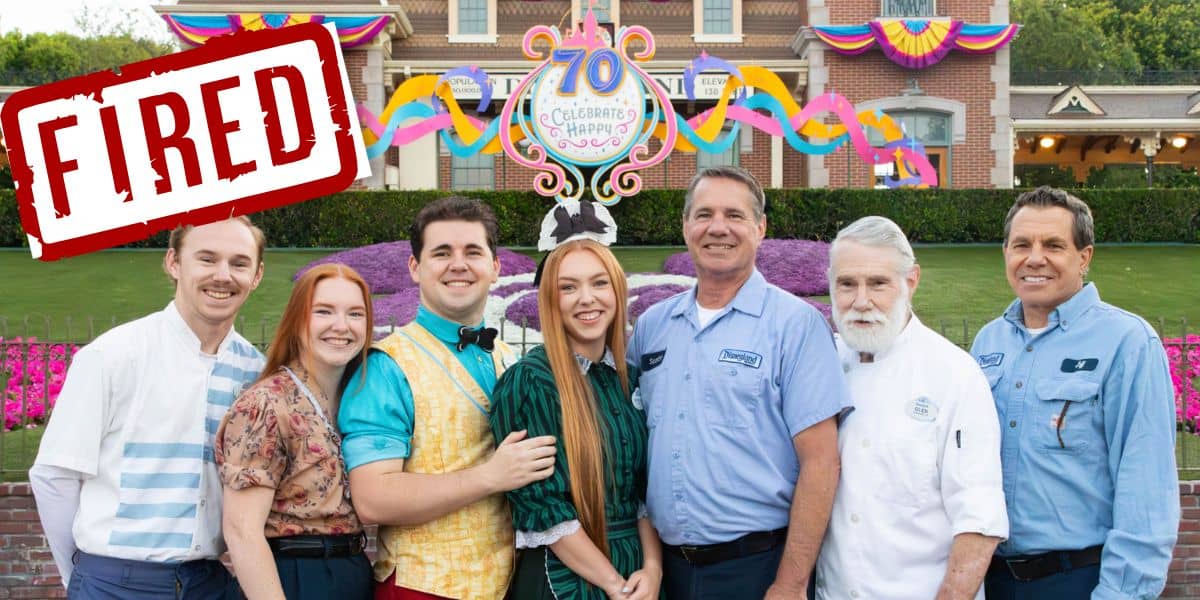
Throughout 2026, Disney has executed multiple rounds of workforce reductions affecting areas including ABC, ESPN, Pixar Animation Studios, corporate human resources, technology, and Disney Experiences. In October, reports indicated that the Experiences division was eliminating approximately 100 to 200 positions as part of the company’s ongoing review of its operations and priorities.
Tensions reached another level in early November 2026, when reports from Bloomberg and Reuters revealed that Disney was considering substantial additional workforce reductions. According to Bloomberg, some managers had reportedly been asked to identify ways to achieve approximately 20% in annual cost savings. That figure, however, does not represent a directive to eliminate 20% of Disney’s workforce. Savings could come from staffing reductions and other operating expenses, and the reports did not specify the number of additional jobs that would be eliminated or when those cuts might occur.

Nevertheless, the possibility of thousands of additional job reductions has fueled anxiety among employees already navigating an increasingly cost-conscious corporate environment.
Further stoking the discussion, Disney recently created its first centralized Chief Technology Officer position, appointing Karandeep Anand, the former CEO of Character.AI, to the role. Anand is responsible for overseeing enterprise technology, infrastructure, data, and AI platforms, as well as product and engineering. His appointment underscores Disney’s growing investment in technology, although the company has not described his role as a strategy to replace Cast Members with robots.
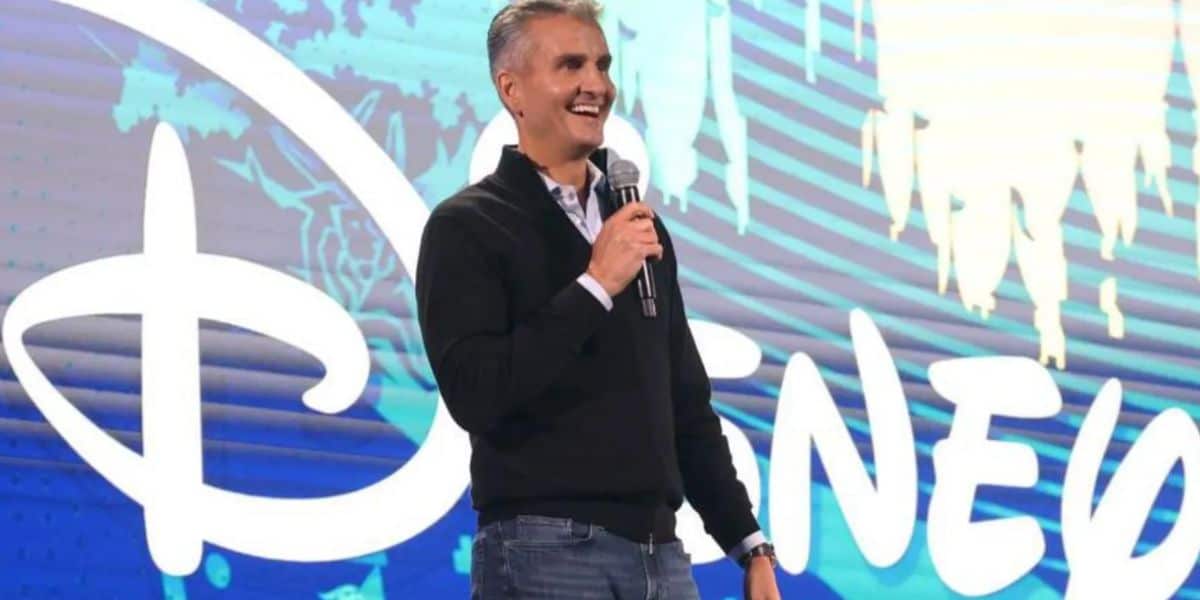
When theme park employees see Disney exploring robots that could eventually park cars and handle backstage equipment, while headlines report significant cost-cutting initiatives, skepticism toward corporate assurances is understandable.
There is no evidence that the robotics partnerships were created specifically to fulfill Disney’s reported savings targets, or that the company intends to use them to eliminate thousands of theme park positions. But the overlap between workforce reductions and emerging automation projects is likely to keep employees watching closely.
Assistance or Obsolescence? The High-Stakes Gamble with the Disney Brand
Disney is quick to emphasize that its robotics programs remain in the research and development phase. The company has described these collaborations as opportunities to explore how robotics can support employees, improve working conditions, and take on repetitive backstage tasks.
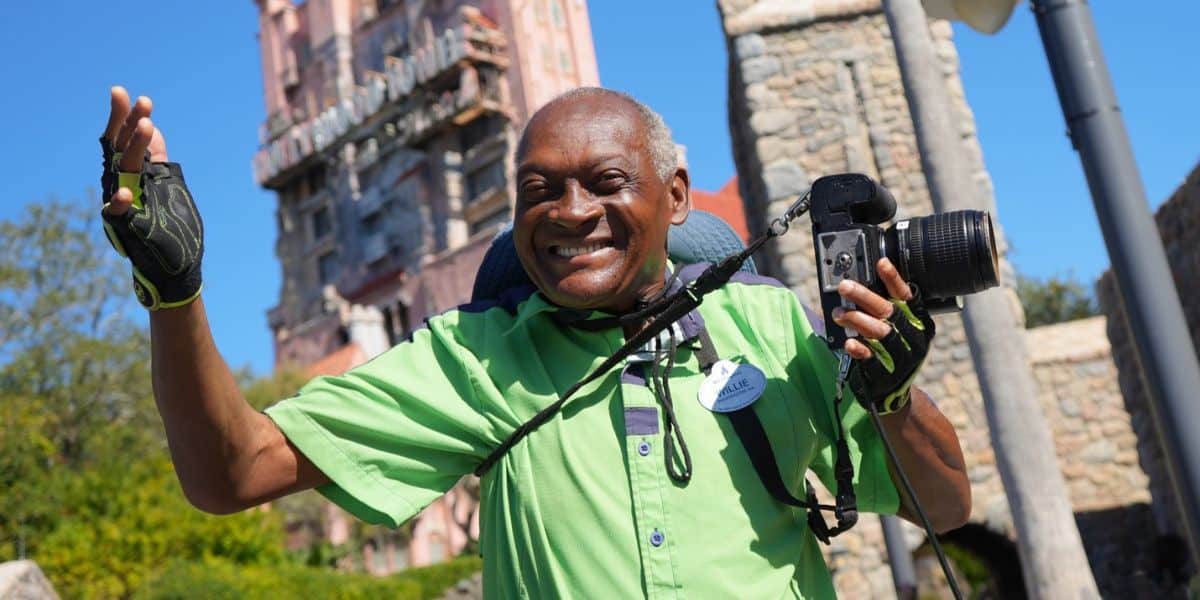
However, introducing machines into operations traditionally handled by people presents potential risks for a brand built on emotion:
- The Loss of Human Warmth: A malfunctioning robot cannot calm an overwhelmed toddler, comfort a family dealing with a park emergency, or hand a pin to a crying child. Disney’s reputation for personalized hospitality is an important part of the premium experience guests expect. Even if machines eventually take over certain routine responsibilities, the company will still need human Cast Members to provide the personal interactions that distinguish its parks.
- Operational Vulnerability: When computer vision glitches, network connections fail, or hardware jams interrupt automated systems, human intervention may still be necessary to keep operations moving. Any widespread reliance on robotics would require reliable backup procedures and employees capable of responding when the technology encounters problems.
- Labor Pushback: Disneyland’s unionized workforce includes several distinct bargaining groups, including employees represented through the Master Services Council and other independent union arrangements. Parking, attractions, custodial, and other operational positions are among the areas represented by Disneyland’s various labor organizations. Any future effort to substantially automate existing job responsibilities could raise difficult questions about job classifications, staffing levels, working conditions, and collective bargaining agreements. The precise labor implications would depend on which positions were affected and what changes Disney actually proposed.
The Road Ahead
As Disneyland prepares for its ambitious multi-decade DisneylandForward expansion, corporate leadership faces a defining crossroads. The technology for developing autonomous robots, computer vision assistants, and adaptable backstage systems is no longer science fiction. Disney is actively exploring how these technologies could eventually become part of its theme park operations.

Whether these machines become genuine support tools for frontline workers or eventually take over responsibilities currently performed by Cast Members remains an open question. Disney has not announced a widespread robotic replacement program, and its current partnerships are still exploratory. Nevertheless, the company’s simultaneous investment in automation and efforts to reduce operating costs make the future of theme park labor an increasingly important issue.
For now, Disney employees have reason to pay attention. The robots aren’t replacing Cast Members in Anaheim yet. Still, the experiments underway could offer an early glimpse of how the company imagines its theme park workforce evolving in the years ahead.