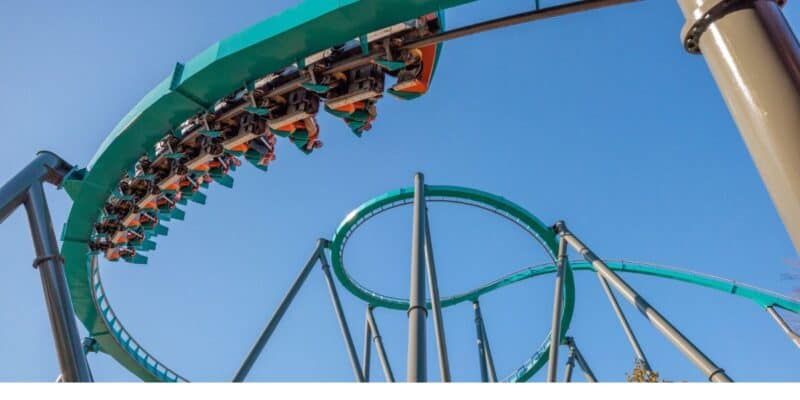
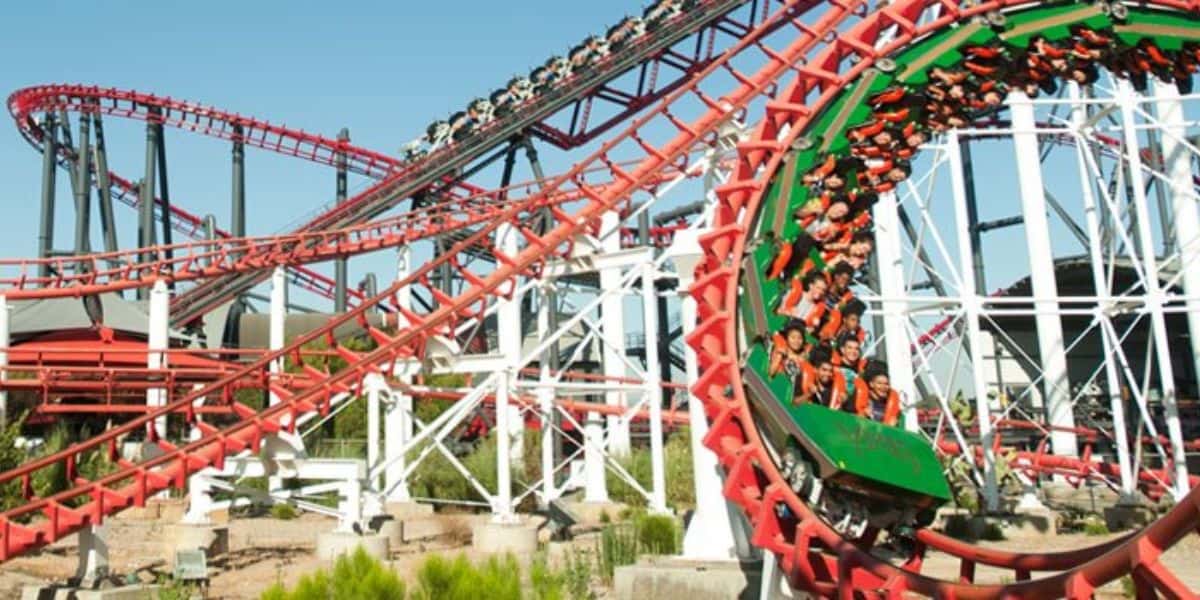
 Credit: Six Flags Over Georgia
Every year, hundreds of millions of thrill seekers lock themselves into molded fiberglass seats, surrender to gravity, and scream through 80-mile-per-hour drops and inverted loops. The modern amusement industry is built upon a carefully engineered experience: delivering the visceral sensation of mortal peril while using redundant safety systems, rigorous testing, and inspections to reduce the risk of serious injury. No mechanical system, however, can guarantee absolute safety.
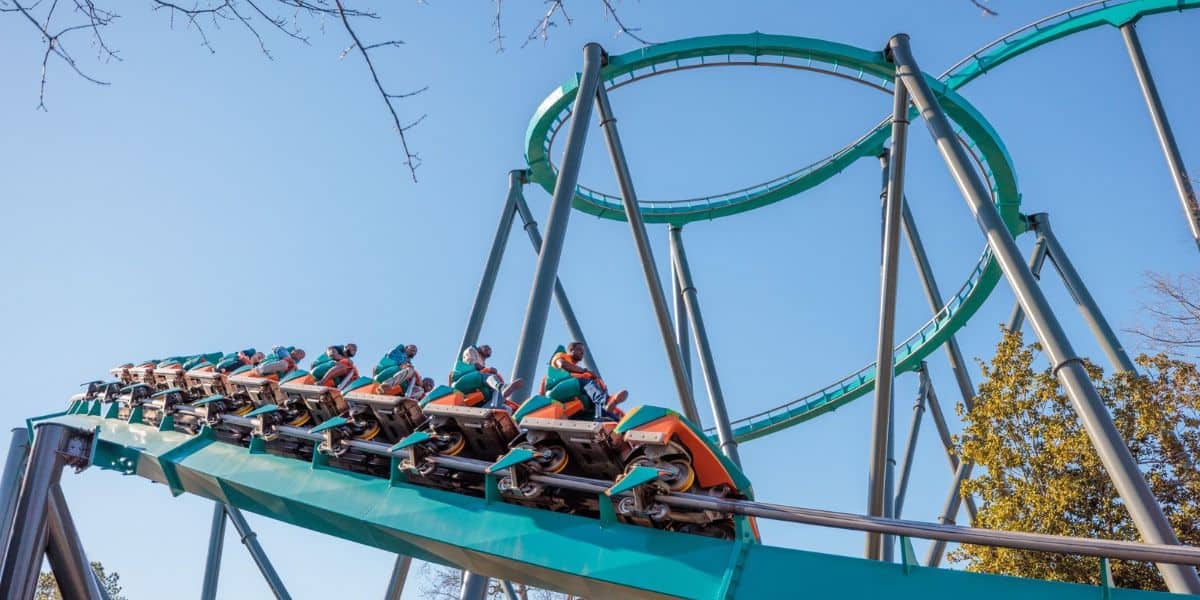
When that carefully controlled experience ends in tragedy, the shockwaves reverberate across the country.
Following a fatality on a 200-foot hypercoaster in Georgia, the permanent retirement of a legendary California coaster linked to allegations of traumatic brain injuries, and an earlier fatality at Universal Epic Universe in Orlando, amusement park safety has come under renewed national scrutiny. As parks pursue taller, faster, and more aggressive attractions to satisfy the public’s appetite for adrenaline, riders are left asking: Why do people keep getting injured or killed on roller coasters? Are extreme designs pushing the human body beyond its limits, and what do the numbers actually say about ride safety?
Recent Roller Coaster Fatalities and Tragedies
The national debate over ride safety intensified after a fatal incident at Six Flags Over Georgia. On October 12, 2026, Hassan Jihad Ibn Kariem, a 42-year-old father, fell to his death from the Goliath hypercoaster while riding alongside his son. According to reports of the incident, several other passengers sustained injuries. In response, Six Flags temporarily closed Goliath and eight other similar attractions across six North American parks—including Diamondback and Orion at Kings Island in Ohio—as a precaution while investigators examined the circumstances surrounding the incident and the company’s ride-safety procedures. The investigation remains ongoing, and the cause of the fatality has not been definitively established.
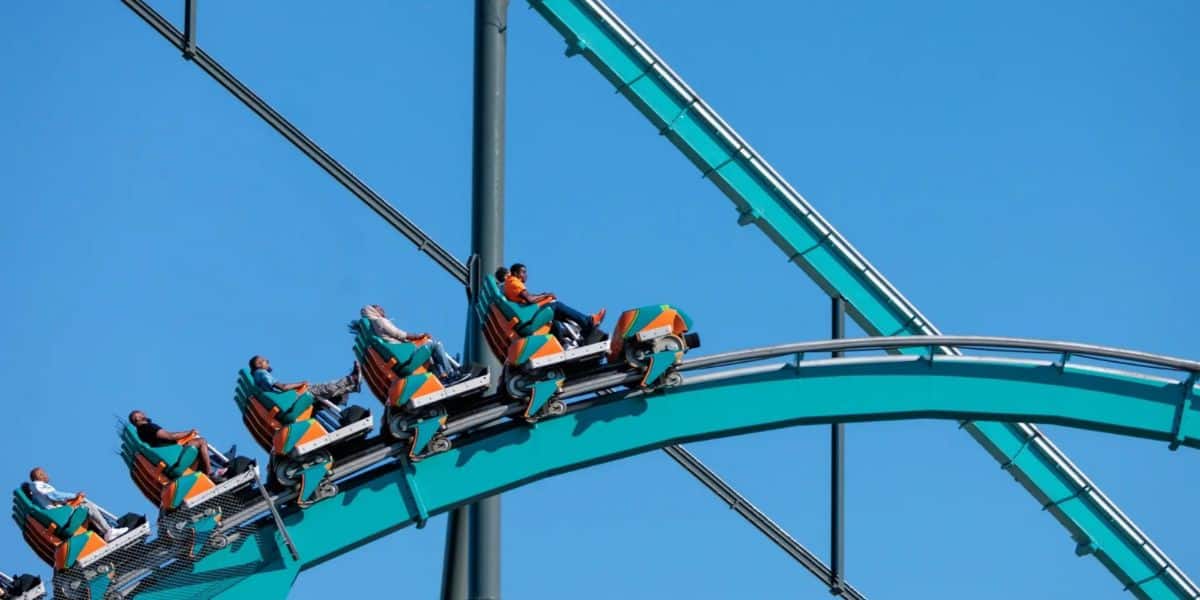
The Georgia tragedy occurred less than two weeks after Six Flags announced plans to permanently retire X2, its groundbreaking fourth-dimension roller coaster at California’s Six Flags Magic Mountain. That decision followed mounting scrutiny after riders alleged that the attraction caused serious traumatic brain injuries. Featuring independently rotating seats that flipped passengers during steep dives and high-speed turns, the coaster became the focus of intense attention after two women reportedly required emergency brain surgery in July following rides on the attraction. Law firms, including Dordick Law Corporation and HHJ Trial Attorneys, have filed lawsuits on behalf of injured passengers. Those claims remain allegations and should not be interpreted as proof that a design defect caused the reported injuries.
These incidents follow another high-profile fatality in 2025, when a park guest died after riding the dual-racing Stardust Racers coaster at Universal Epic Universe in Orlando. Although the circumstances surrounding each incident differ, the cases have renewed scrutiny of the amusement industry’s pursuit of record-breaking attractions. The incidents do not, by themselves, establish that the rides share a common safety problem or that extreme coaster designs are responsible for every reported injury.
How Safe Are Roller Coasters Really? The Hard Data
Despite alarming headlines, amusement ride safety researchers and industry executives emphasize that catastrophic incidents remain uncommon relative to the enormous number of rides taken each year.
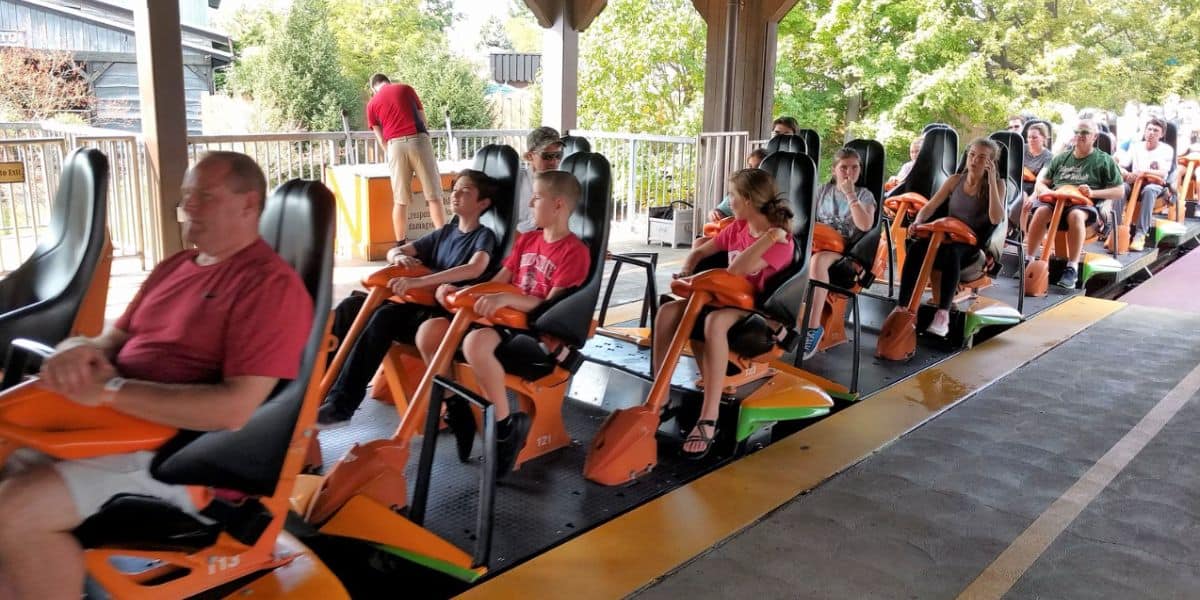
According to Jakob Wahl, President and CEO of the International Association of Amusement Parks and Attractions (IAAPA), guest safety is fundamental to the industry’s continued success. As Wahl has emphasized, when guests do not feel safe, the entire industry suffers.
Data compiled by the National Safety Council (NSC) for IAAPA illustrates the scale of the North American amusement sector:
- Massive Annual Ridership: More than 385 million guests safely experience over 1.7 billion rides across North American fixed-site amusement parks each year. These are industry estimates rather than a census of every amusement attraction.
- 1 in 15.5 Million Odds: The estimated probability of suffering a serious injury on a fixed-site amusement ride in the United States is approximately 1 in 15.5 million. The NSC’s definition of a serious injury includes an event resulting in death or hospitalization for more than 24 hours, excluding hospitalization solely for medical observation. This estimate covers fixed-site amusement rides generally, not roller coasters alone.
- Comparative Everyday Risks: Roller coaster injury estimates are often used to illustrate how uncommon serious incidents are relative to the number of rides taken. However, comparisons with lightning strikes, shark attacks, commercial aviation, or motor vehicle crashes depend on how exposure and outcomes are measured. The National Highway Traffic Safety Administration (NHTSA) estimated 7,770 motor vehicle traffic fatalities in the United States during the first three months of 2026. That national total demonstrates the continuing toll of road crashes but does not, on its own, establish an individual’s comparative risk of being injured on a roller coaster.
- A Measurable Increase in Injuries: Despite favorable baseline odds, recent figures warrant attention. The NSC’s 2024 survey of North American fixed-site amusement facilities estimated 1,495 injuries overall, including 118 serious injuries and 1,377 other reportable injuries. Serious injuries, therefore, accounted for approximately 8% of the estimated total. For roller coasters specifically, estimated injuries increased from 458 in 2023 to 652 in 2024, a rise of approximately 42% based on the reported counts. The corresponding estimated injury rate increased from 0.88 to 1.27 injuries per million coaster rides. These figures reflect estimates from industry survey data and do not, by themselves, establish a sustained long-term increase in risk.
The Hidden Culprits: Physiology, G-Forces, and Human Error
When evaluating the causes of injuries, safety data suggest that guest-related factors account for a substantial share of reported ride injuries. In the NSC’s 2024 reporting, participating facilities attributed approximately 66% of injuries to guest-related factors, including rider behavior and pre-existing medical conditions. Technical factors accounted for approximately 15%, while operational errors accounted for 9%. These figures reflect the facilities’ reported assessments of contributing causes; they should not be interpreted as definitive explanations for every amusement ride injury or fatality.
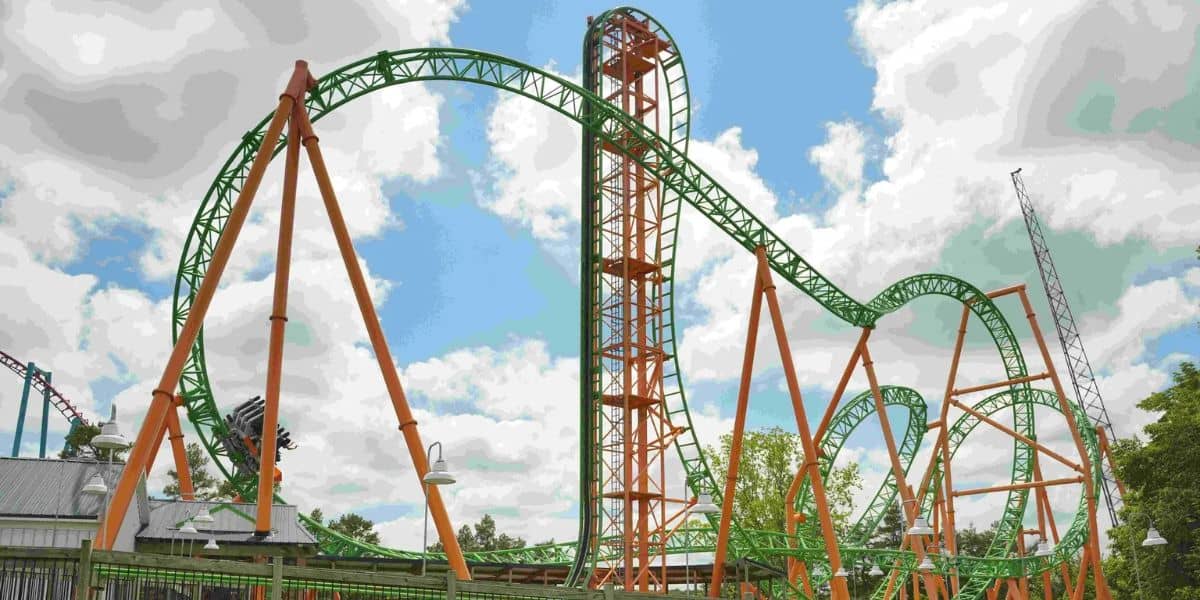
Modern roller coasters subject the human body to gravitational forces (G-forces), rapid acceleration, and changes in direction. These forces can place physical demands on the cardiovascular system, neck, and spine. The degree of stress depends on the ride’s design, the forces experienced, the duration of exposure, and the individual rider’s health.
Medical literature has linked high-G experiences to rare cases of arterial dissections, strokes, and intracranial bleeding. For passengers with undetected cardiovascular, neurological, or spinal vulnerabilities, the physical demands of a ride may contribute to serious complications even when the attraction operates as designed. Such outcomes are uncommon, and the presence of a medical condition does not mean that an injury will occur. Riders should follow posted health restrictions and consult a qualified medical professional if they have concerns about whether an attraction is appropriate for them.
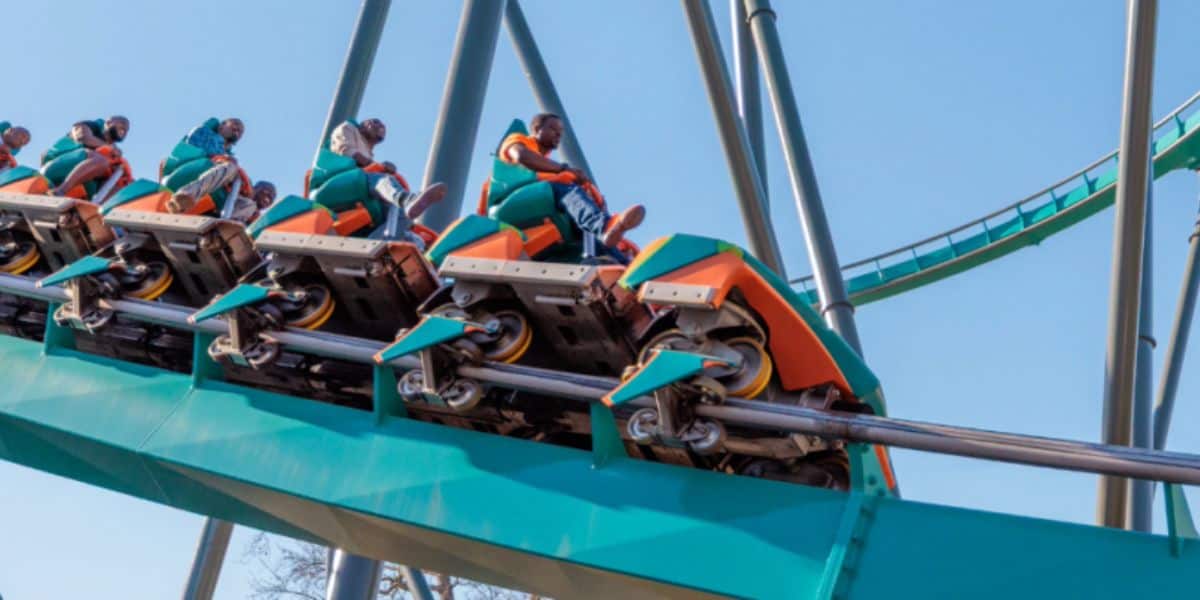
In 2006, for example, a guest with a reported pre-existing heart condition died after riding the Goliath coaster in Georgia. Contemporary accounts described the incident as a likely fatal heart attack. The case illustrates the importance of distinguishing between a ride’s mechanical operation and the physiological demands it places on an individual rider. At the same time, neither an apparent medical event nor an injury occurring after a ride is sufficient, by itself, to establish the cause of death or rule out other contributing factors.
Safety officials and industry observers have also raised questions about the demands associated with increasingly intense thrill attractions. As manufacturers pursue greater heights, speeds, and airtime, engineering decisions must account for passenger restraints, ride dynamics, operating conditions, and the range of people who may attempt to ride. Claims that modern coasters have become inherently more dangerous, however, require evidence beyond the existence of increasingly extreme designs.
Aerospace Engineering vs. Regulatory Loopholes
To reduce physical hazards, leading ride manufacturers use established engineering practices, documented component specifications, quality-control procedures, and extensive testing.
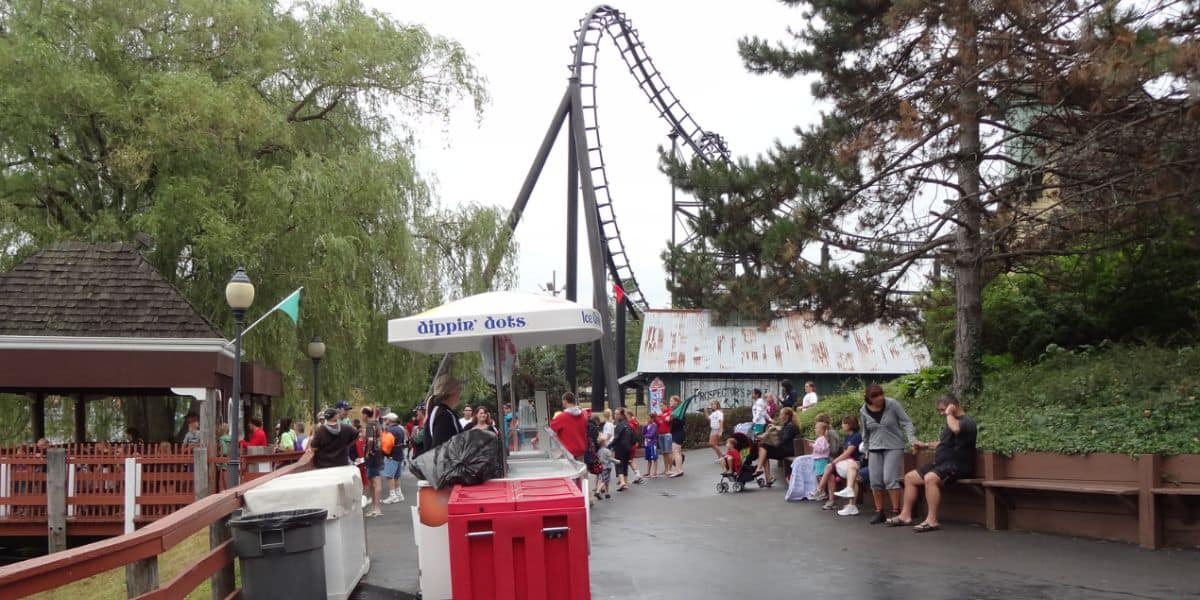
Jim Seay, president of Premier Rides and a former chair of ASTM International’s Committee F24 on Amusement Rides and Devices, has discussed the importance of engineering analysis and testing in attraction development. Ride design can involve computer simulations, structural calculations, material specifications, and reviews intended to identify potential problems before a ride opens. Manufacturers and operators also use inspections and commissioning tests to verify that equipment performs as intended. The precise procedures vary by manufacturer, attraction, applicable standards, and project; they should not be assumed to be identical to spacecraft testing or universal across the industry.
Once a ride is erected, it typically undergoes commissioning and operational testing before carrying guests. Depending on the attraction, testing may include repeated operating cycles, verification of safety systems, and tests using weighted dummies or other test equipment. Electronic sensors and interlocks monitor specified conditions and can prevent a ride from dispatching or trigger a stop when a monitored parameter falls outside its permitted range. Such stoppages can be evidence that a safety system is doing its job, although the cause of any individual stop must be assessed on its own facts.
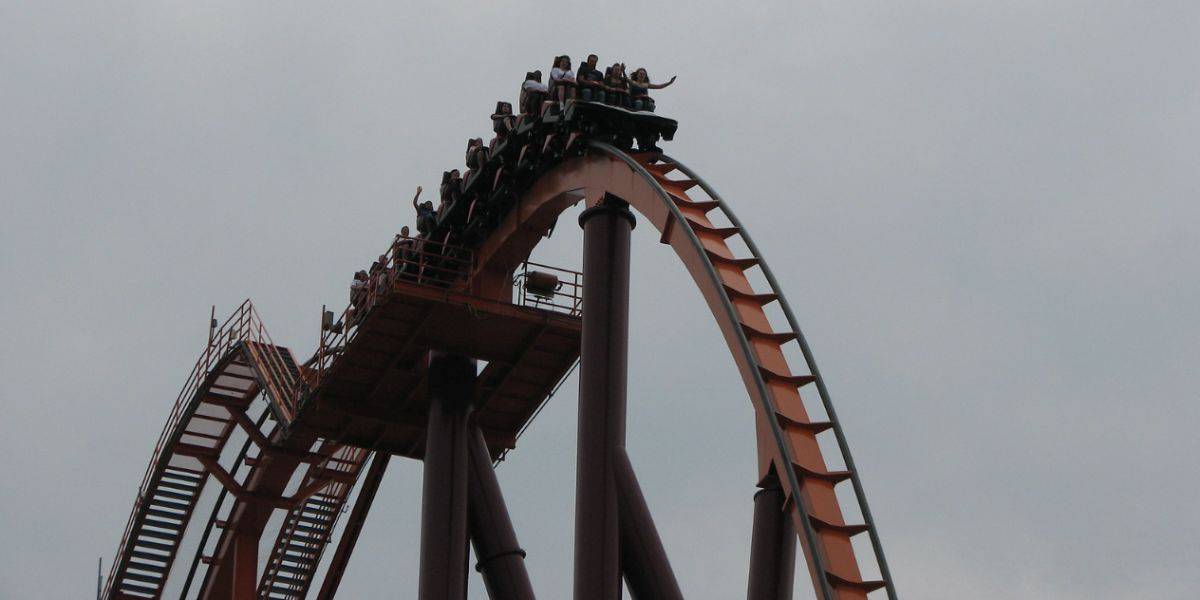
Ride manufacturers and operators also rely on maintenance programs and inspections to identify wear, damage, or other potential hazards. The specific inspection intervals and testing methods depend on the ride’s design, the manufacturer’s requirements, applicable standards, and findings from previous inspections. Routine visual inspections are important, but they cannot necessarily detect every internal defect or developing structural problem.
Yet significant gaps remain in government oversight. The United States has no single federal regulatory agency responsible for comprehensive safety oversight of permanent amusement parks. Federal law generally excludes fixed-site amusement rides from the Consumer Product Safety Commission’s jurisdiction, leaving primary oversight of permanent attractions to state and local authorities.
The resulting regulatory framework varies by jurisdiction. Some states have government inspection and approval programs, while others rely more heavily on inspections conducted by licensed private inspectors hired by ride owners or operators. Georgia, for example, requires annual inspections by licensed inspectors, paid for by the ride’s owner or operator. New York also has a state regulatory framework for amusement rides, although the specific requirements and enforcement mechanisms differ from those in Georgia. These distinctions matter: government oversight, private inspection, and operator maintenance are related but separate responsibilities.

Other jurisdictions place substantial responsibility on park operators and private inspectors, and some have more limited statewide regulatory structures. The details must be evaluated state by state rather than treating the absence of direct government inspection as proof that no safety requirements exist. Independent inspectors may identify hazards, but their ability to compel a shutdown or enforce corrective action depends on the applicable laws, contractual arrangements, and regulatory authority.
Compounding the challenge, routine morning inspections cannot identify every possible defect. Mechanics and ride operators conduct checks before attractions open. At the same time, more specialized examinations may be required to identify internal structural fatigue, cracks, or other damage that is not visible during a routine walk-through. Non-destructive testing and other detailed examinations are conducted in accordance with applicable standards, maintenance programs, manufacturer guidance, and the condition of the equipment. Inspectors cannot reasonably dismantle every train assembly or seat shell every morning, so a layered system of routine checks, scheduled maintenance, and more specialized inspections is essential.

When catastrophic accidents occur, legal accountability often turns on whether the park, manufacturer, or another responsible party exercised reasonable care and complied with applicable duties. The outcome depends on the evidence, the circumstances of the incident, and the law in the relevant jurisdiction. Riders may accept the ordinary sensations associated with a thrill ride, but that does not automatically mean they have waived every potential claim involving negligence, defective equipment, or inadequate maintenance. The legal effect of assumption-of-risk rules and liability waivers varies by jurisdiction and circumstance.
Balancing the public’s appetite for ever-taller hypercoasters with the need to protect riders remains an ongoing challenge for the amusement industry. As rides reach heights exceeding 300 feet and pursue increasingly intense experiences, maintaining effective engineering, maintenance, inspection, and regulatory safeguards is essential. The goal is not to eliminate every sensation of danger, but to ensure that the thrill remains carefully managed and that preventable hazards are identified and addressed before they result in tragedy.