1
1
 Credit: Disney
Reseller culture was once largely confined to limited-edition sneakers, high-demand concert tickets, and hard-to-find gaming consoles. Today, however, scalpers have expanded into a surprising new frontier: theme park admissions.

Theme park fans were recently left stunned when videos and social media posts circulated showing shoppers purchasing discounted Disneyland ticket packages at Costco. Reports of bulk purchases sparked backlash across the Disney community, with fans questioning whether resellers could buy up limited supplies of discounted admission before families had a chance to take advantage of the offer. Popular theme park commentator ThemeParkScout (@ThemeParkScout) criticized the practice in a post, writing: “There’s something deeply wrong with this, we shouldn’t see resellers with park tickets of all things. I’m so over this reselling ‘culture’ these people are scabs.”
The controversy highlights concerns that discounted park admission could become another target for resale activity. However, the extent of the reported bulk buying—and whether it has left families unable to find tickets at participating warehouses—should be distinguished from the broader frustration expressed online. Disneyland’s ticket terms also prohibit commercial resale and restrict the transfer of admission entitlements, meaning that a secondary-market listing does not necessarily represent a valid or usable ticket.
Twitter analyst Aakash Gupta (@aakashgupta) broke down the potential business mechanics behind the controversy, illustrating how the difference between a wholesale club promotional price and the cost of purchasing comparable admission separately could attract resellers. Here is an in-depth look at ticket pricing, the risks of unauthorized resale, and how merchandise flipping continues to disrupt the guest experience at Disney Parks.
The Great Costco Ticket Arbitrage: How Flippers Could Profit
The recent controversy erupted after wholesale retailer Costco offered a discounted Disneyland ticket bundle at participating physical warehouses.
The $329.99 package includes a two-day Park Hopper ticket, Lightning Lane Multi Pass for both park visits, and a $60 Disney Dining Card. The limited-time offer is valid for visits between October 2 and December 18, 2026, subject to the package’s restrictions and Disneyland’s park reservation requirements.
As Aakash Gupta explained, a substantial difference between the Costco package price and the cost of purchasing comparable admission and add-ons separately could create an incentive for resellers. The offer illustrates how third-party promotions can provide significant savings without changing the standard price of tickets purchased directly from Disney. However, the existence of the discount alone does not establish that Disney designed the promotion to encourage resale or protect its official pricing.
The Math Behind the $233 Savings
Breaking down the Costco bundle helps explain why the offer has attracted attention from Disneyland fans and potential resellers.
- 2-Day Park Hopper Ticket with Lightning Lane Multi Pass: A comparable package purchased directly from Disney has been reported at approximately $503 for adults.
- Disney Dining Card: The Costco package includes a $60 card for food and beverages.
- Total Package Value: Approximately $563 when the $503 comparison price and the $60 dining card are added together.
- Costco Package Price: $329.99.
Based on those reported figures, the package shows a difference of approximately $233 between the $563 combined comparison value and Costco’s $329.99 price. That figure includes the value assigned to the dining card; it is not $233 in cash savings that a buyer can automatically recover.
The comparison also depends on the price of the equivalent package of tickets. Disneyland admission prices vary by date and ticket type, so the $503 figure should be treated as a reported comparison rather than a universal price for every guest.
Unlike online ticket drops or sneaker releases that may involve digital queues, this Costco promotion is purchased in person at participating warehouses. Availability can vary by location, and a shopper’s ability to find the offer is not guaranteed.
Gupta’s analysis raises a further question: could a reseller list a discounted ticket package at a price below the comparable Disney price and attempt to pocket the difference? The arithmetic can illustrate a hypothetical spread, but it does not demonstrate that a ticket has been successfully resold or that a buyer would be able to use it.
Disneyland’s published ticket terms prohibit commercial resale and restrict the transfer of admission entitlements. As a result, a hypothetical resale price should not be presented as an achievable or guaranteed profit. Any calculation would also need to account for transaction fees, taxes, the risk of an unsold listing, and the possibility that the ticket would not be valid for the purchaser.
Why Retailers Allow the Rush
For wholesale retailers like Costco, heavily discounted promotional products can attract attention and give members a reason to visit a warehouse. But there is no established evidence that Costco deliberately permits ticket resellers to clear shelves as part of a strategy to generate publicity or increase membership renewals.
The situation has drawn comparisons to Costco’s sales of physical gold bars. In 2024, Wells Fargo analysts estimated that Costco was selling up to $200 million in gold and silver products per month. Reports at the time described strong demand for precious metals sold through the retailer. That example illustrates the attention high-demand products can attract, but it does not prove that Costco uses the same strategy for Disneyland tickets or intentionally encourages bulk resale.
For shoppers hoping to take advantage of the Disneyland promotion, limited inventory at participating locations can be frustrating. The concern is particularly relevant to families planning a trip around a specific set of dates, since finding the package is only one part of the process: the tickets have usage restrictions, and park reservations are required.
Buying tickets from an unauthorized seller on a peer-to-peer marketplace can also expose customers to financial risk. A listing may not be transferable under Disney’s terms, and the fact that a seller possesses a ticket or promotional card does not guarantee that another person can use it.
From Popcorn Buckets to Souvenirs: The Merchandise Reselling Crisis Inside the Parks
While the Costco ticket controversy has brought renewed attention to admission reselling, the resale of physical merchandise from Disney Parks has been a persistent concern among fans for years.
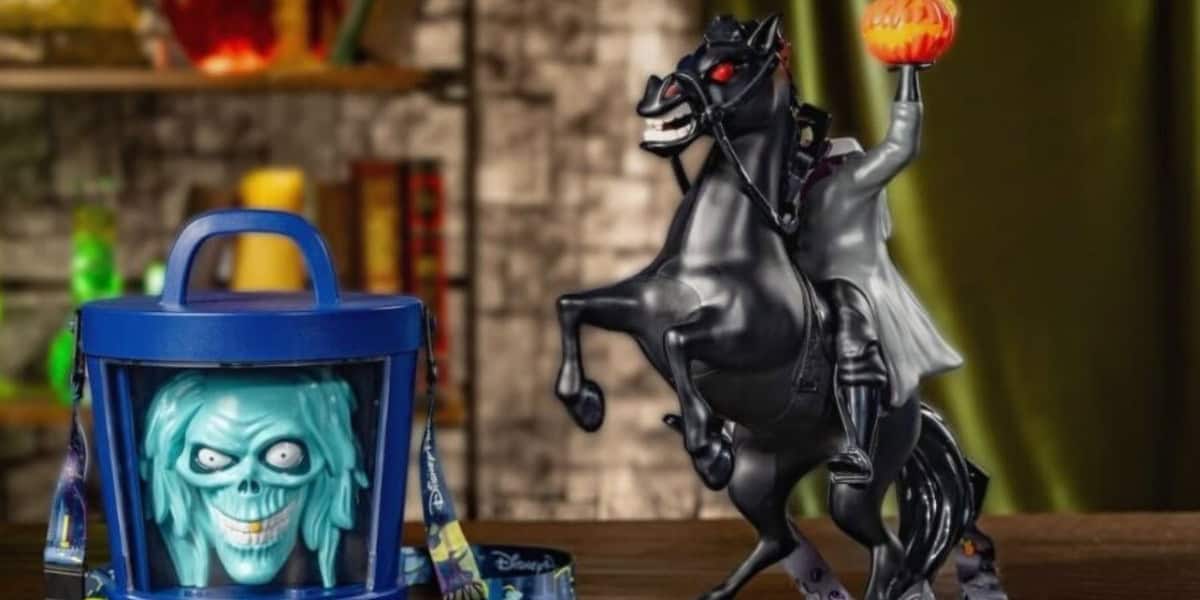
Theme park resellers—sometimes referred to by fans as “Disney eBayers”—target limited-edition merchandise releases at Disneyland Resort and Walt Disney World. Specialized novelty popcorn buckets, seasonal Starbucks tumblers, limited-release Minnie Mouse ear headbands, collectible pins, and Loungefly backpacks have all appeared on secondary marketplaces such as eBay and Mercari.
The resale price of a collectible can vary substantially depending on its scarcity, popularity, and condition. Although some items command prices far above their original retail cost, individual listings do not establish how frequently merchandise is being bought specifically for resale.
The Anatomy of a Park Sweep
Fans have raised concerns about resellers purchasing multiple copies of limited-edition merchandise, particularly during highly anticipated releases. Some of the tactics discussed in fan communities include:
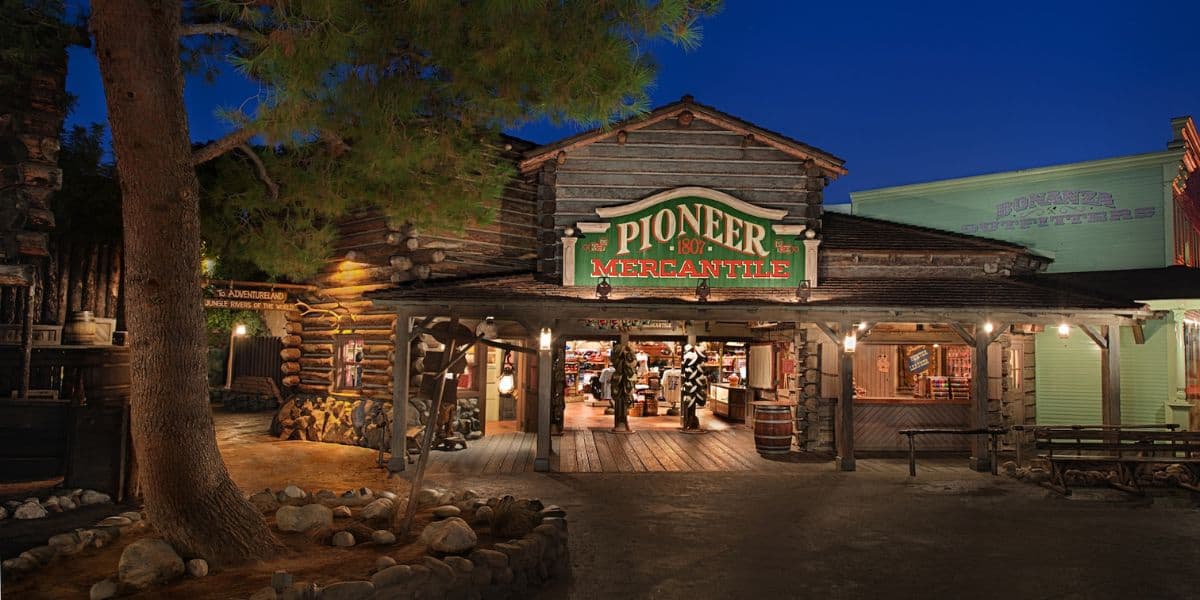
- Rope-Drop Tactics: Shoppers arrive early or line up before a park opens to improve their chances of finding limited-release merchandise at in-park stores such as the Emporium.
- Multiple Transactions: When purchase limits apply, some shoppers may attempt additional purchases. However, the limits vary by product and promotion, and claims that teams routinely circumvent Disney’s rules should be supported by specific evidence.
- Online Listings: Collectibles sometimes appear on resale platforms soon after release, with sellers advertising items as available or already in hand. The timing of a listing alone does not establish where the item was purchased or whether the seller intends to violate a park policy.
One high-profile example was the release of the EPCOT Figment Popcorn Bucket in January 2022. The launch drew extremely long standby lines, with reports of waits reaching approximately six to seven hours. The bucket, which originally sold for $25, subsequently appeared on resale platforms at prices reaching hundreds of dollars.
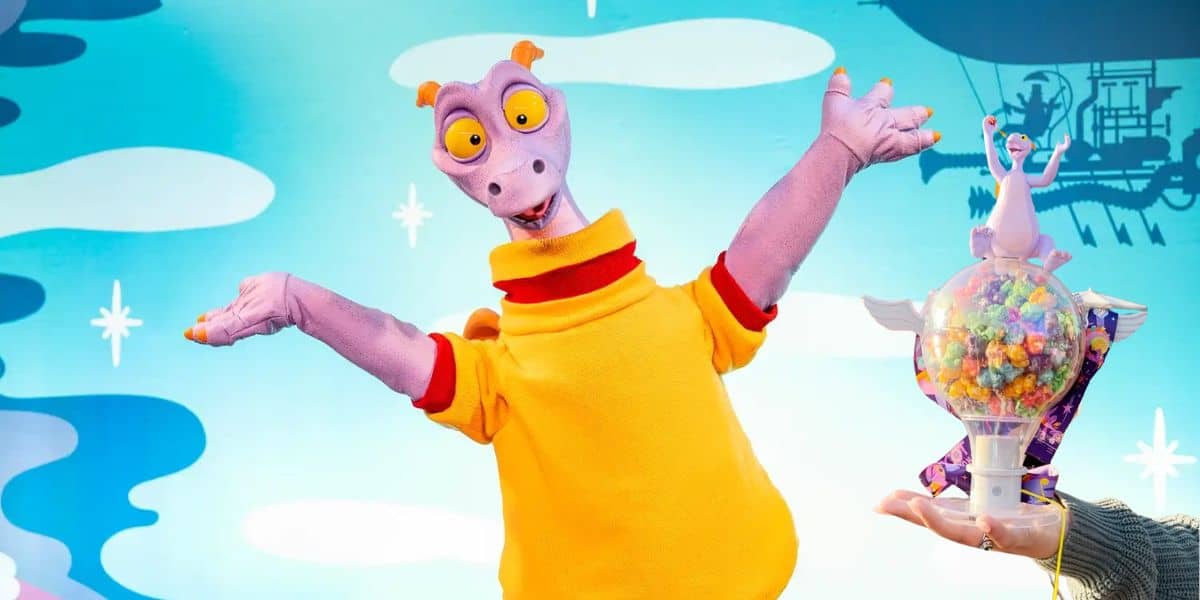
The episode demonstrated how demand for a limited-edition Disney collectible can outstrip its initial availability, creating an opportunity for secondary-market markups. Similar concerns have surfaced around seasonal Haunted Mansion merchandise, Oogie Boogie-themed souvenirs, and limited-release Loungefly backpacks. The scale of resale activity varies by item and release, so each example should be evaluated on its own evidence.
For guests who have saved for months to take their children on vacation, missing out on a sought-after souvenir can be disappointing. The prospect of merchandise appearing on resale platforms at sharply increased prices has also contributed to fan frustration over how limited-edition releases are distributed.
The Future of Theme Park Ticketing and Reselling
The attention surrounding the Costco promotion highlights a potential tension between discounted ticket distribution, limited inventory, and consumer expectations. The controversy also illustrates why it is important to distinguish between a shopper buying a legitimate promotion for personal use and someone attempting to resell admission in violation of the ticket’s terms.
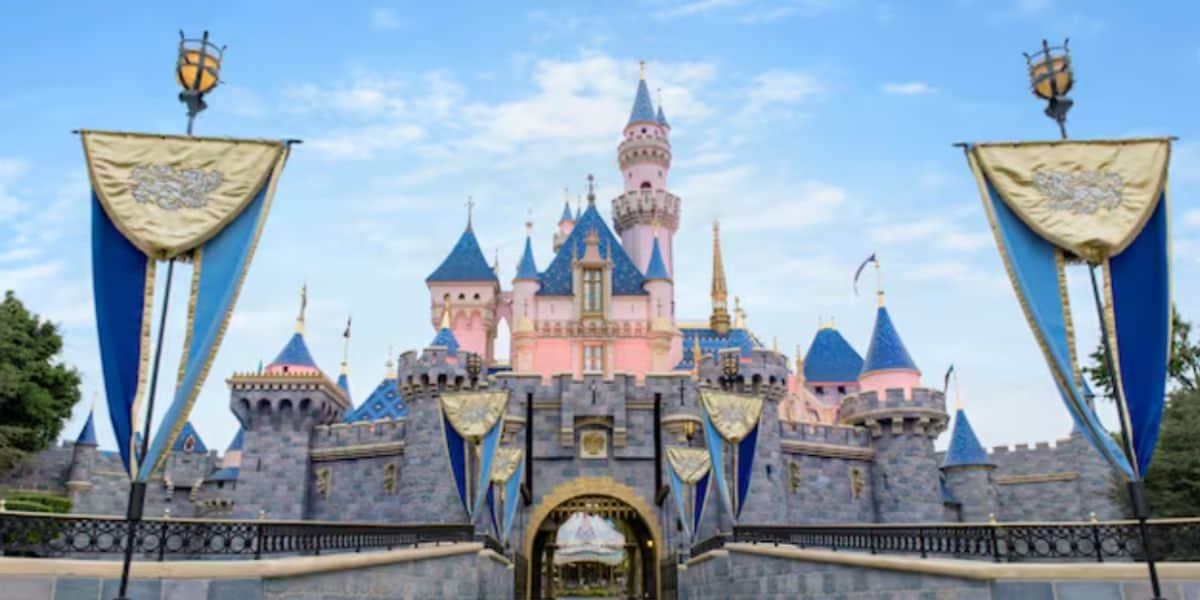
Disneyland’s published conditions restrict commercial resale and the transfer of admission entitlements. The Costco package also comes with practical restrictions: guests must use the ticket within the specified promotional period, use both days within the applicable window after the first visit, and secure reservations for their park days. Tickets are nonrefundable and non-transferable under the offer’s reported conditions.
These restrictions mean that a discounted ticket purchased at a retail warehouse is not automatically freely transferable. A reseller’s listing may therefore carry risks for both seller and buyer, even if the original ticket was purchased legitimately.

As fan frustration continues, the controversy raises questions about whether retailers should consider providing clearer inventory information, implementing purchase limits, or making terms for high-demand promotions more visible. Any proposed changes would need to balance fair access for families with the practical challenges of enforcing restrictions at retail locations.
For merchandise, clearer communication about purchase limits and consistent enforcement during limited-edition launches could help reduce confusion and frustration. But claims of widespread organized reselling should be supported by evidence rather than inferred from isolated videos or expensive online listings.
Ultimately, the Costco Disneyland offer demonstrates how a sizable discount can attract attention and spark debate about who benefits from limited promotional inventory. Whether the reported shelf-clearing activity represents a broader pattern remains a separate question. What is clear is that consumers should understand the restrictions attached to promotional tickets and exercise caution before purchasing Disney admission from unauthorized sellers.