 Credit: Jeremy Thompson, Flickr
For much of Walt Disney World’s history, Disney Imagineers didn’t need an existing movie, character, or franchise to create a new attraction.
They could start with an idea and build an entire experience around it, whether that meant exploring the American West, traveling into the future, journeying through the human imagination, or searching for a legendary creature on Mount Everest. These attractions didn’t need a familiar movie poster to capture guests’ attention because the experience itself was the selling point.
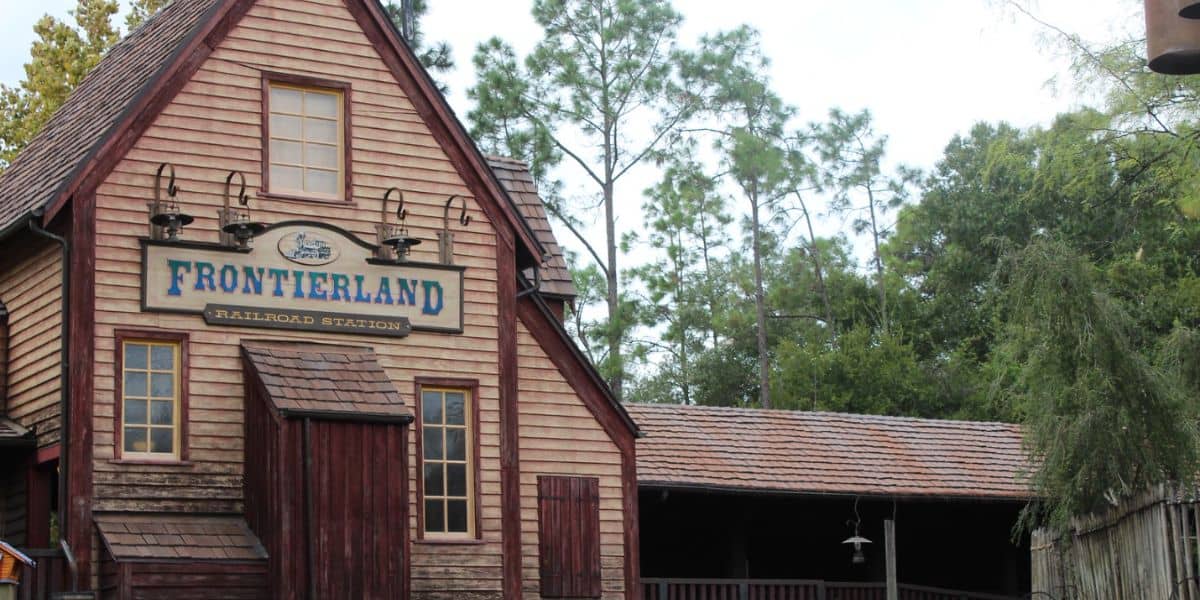
That tradition helped define Disney theme parks for decades. Guests could walk into a new attraction without knowing the characters, story, or mythology beforehand and still come away with something that felt uniquely Disney. Today, however, the landscape looks considerably different, with many of Walt Disney World’s most prominent new attractions built around familiar Disney, Pixar, Marvel, Star Wars, or other established properties.
That doesn’t mean Disney has stopped creating original stories or ideas. It does, however, mark a striking change from the company’s earlier approach to attraction development, when Imagineers routinely created entirely new worlds for guests to explore. To understand just how much that philosophy has changed, it helps to look back at the history of Disney World’s original rides.
When Disney World Didn’t Need a Movie to Sell a Ride
When Magic Kingdom opened in 1971, many of its most enduring attractions weren’t adaptations of movies. When Pirates of the Caribbean opened years later, it had its roots in a theme park concept rather than a film franchise, while Haunted Mansion created its own world of ghosts, gags, and supernatural storytelling.
Jungle Cruise transported guests into a fictionalized version of exotic wilderness, and years later, Space Mountain turned the simple concept of traveling through space into one of Disney’s most recognizable thrill rides.
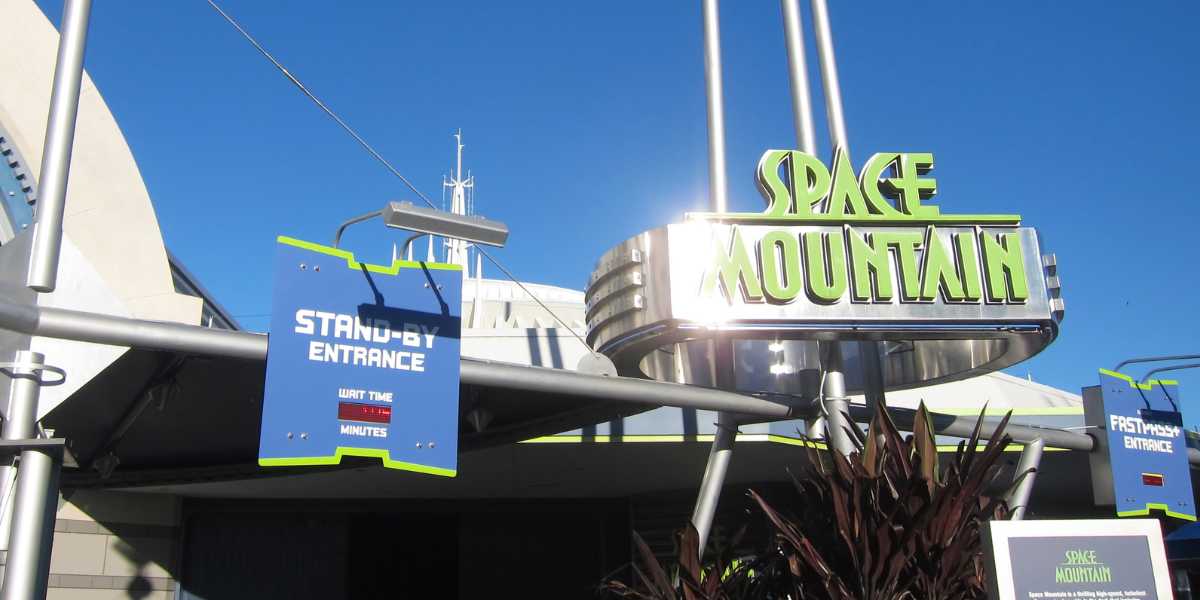
These attractions weren’t selling guests a chance to step inside a movie they already knew. They were selling an experience that could stand on its own, with Imagineers creating the characters, environments, stories, and mythology specifically for the theme park. In many cases, the attractions themselves eventually became cultural touchstones, demonstrating that a Disney ride didn’t need an existing franchise behind it to become beloved.
That distinction became one of the defining characteristics of Disney’s early attraction portfolio. The company could take a broad idea — the American frontier, the future, exploration, adventure, or fantasy — and build an entire environment around it. Instead of asking how a popular movie could become a ride, Imagineers could ask a much more open-ended question: What kind of story can we create for a theme park?
EPCOT Took the Idea Even Further
The original EPCOT Center, which opened in 1982, represented perhaps the clearest expression of Disney’s willingness to build attractions around ideas rather than established characters.
Spaceship Earth told the story of human communication and technological progress, while Horizons imagined possible futures and Living with the Land explored agriculture, technology, and humanity’s relationship with the environment. World of Motion celebrated the history and evolution of transportation.

The attractions weren’t adaptations of blockbuster films, and many didn’t even rely on traditional characters to carry their stories. Their subject matter itself was the draw, allowing guests to experience concepts they might not otherwise encounter in a theme park. EPCOT was effectively proof that Disney could make education, technology, science, transportation, and human achievement into entertainment.
Some of those attractions have since disappeared, but their influence remains visible throughout EPCOT. Even today, Spaceship Earth and Living with the Land stand as reminders of an era when Disney could build a major attraction around a concept that had no pre-existing fan base. The park’s original identity was rooted in the idea that the future, technology, and the real world could be just as compelling as a familiar animated character.
The Theme Parks Continued Creating Original Worlds
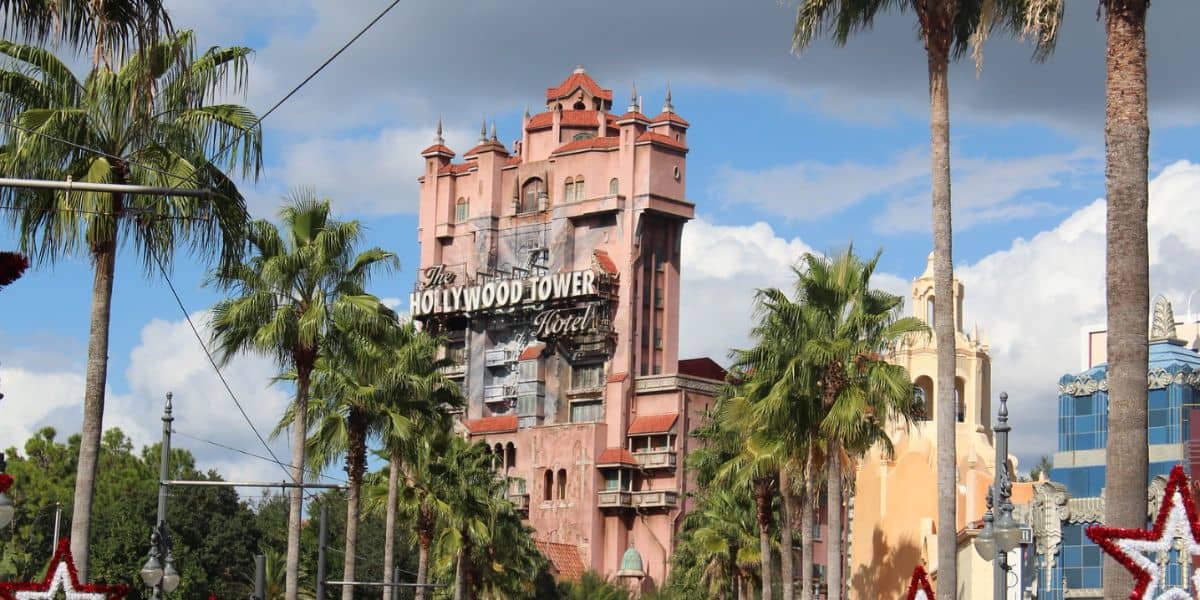
The arrival of Disney-MGM Studios in 1989 brought a new emphasis on movies and television, but Disney continued developing attractions that weren’t simply adaptations of existing films. The Twilight Zone Tower of Terror, built years later, used an established television property, but it also demonstrated how Disney could transform an existing concept into a highly original theme park story.
Meanwhile, attractions such as Rock ‘n’ Roller Coaster were built around music and entertainment concepts rather than simply recreating a specific movie.
Animal Kingdom continued that tradition when it opened in 1998. Kilimanjaro Safaris wasn’t based on a Disney movie; instead, it created an entirely new way for guests to experience animals and an African-inspired environment. The attraction that opened as Countdown to Extinction similarly built its story around the concept of prehistoric adventure rather than an existing Disney movie.
Animal Kingdom’s approach was especially notable because the park itself was built around broad themes rather than a single collection of recognizable franchises. Guests could explore wildlife, nature, conservation, and ancient worlds without necessarily needing to know a Disney story before walking through the gates. It was another example of Disney using theme park storytelling to create worlds that could exist independently of its movie library.
And then came one of the most significant examples of all.
Expedition Everest Was a Major Turning Point
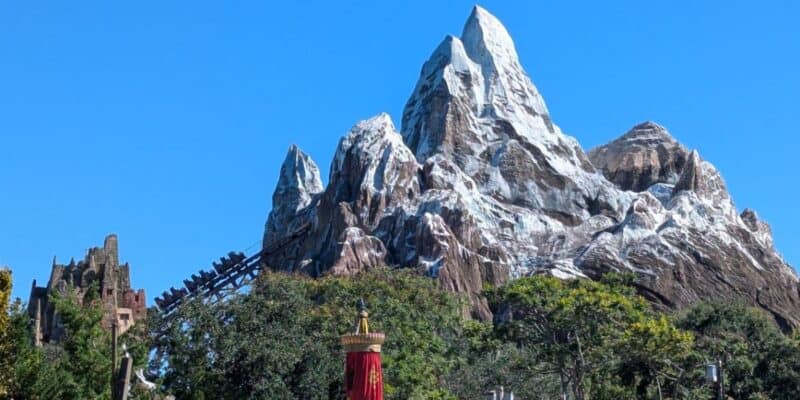
When Expedition Everest opened at Disney’s Animal Kingdom in 2006, Disney wasn’t adapting a movie. There was no existing Expedition Everest film franchise waiting for Imagineers to translate into a ride, and the Yeti featured in the attraction wasn’t an established Disney character. Instead, Disney created an original mythological adventure centered around the legendary creature and the mysterious mountain.
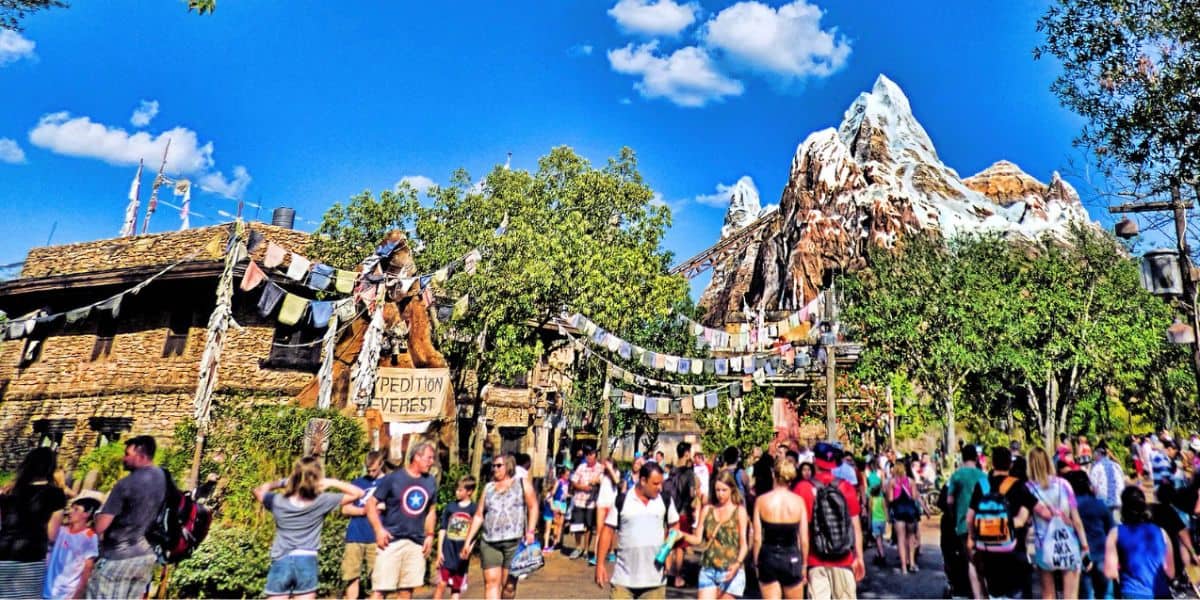
Guests were given a backstory, an environment, a sense of exploration, and an attraction centered on the search for something Disney had created specifically for the experience. Expedition Everest officially opened in April 2006, making it a more-than-20-year-old example of Disney creating a major attraction concept from scratch. That alone gives the attraction an unusual place in Disney World’s modern history.
More importantly, Expedition Everest increasingly appears to be a dividing line between two eras of Disney attraction development. It wasn’t necessarily intended to be the final major original attraction Disney World would ever build. Still, more than two decades later, its position in the timeline is difficult to ignore. The longer that period continues, the more significant that historical distinction becomes.
Then the IP Era Accelerated
There have always been Disney characters and franchises inside the theme parks. The difference is the scale at which established intellectual property now factors into the development of major new attractions and entire lands. In recent years, familiar franchises have become an increasingly common foundation for Disney’s biggest projects.
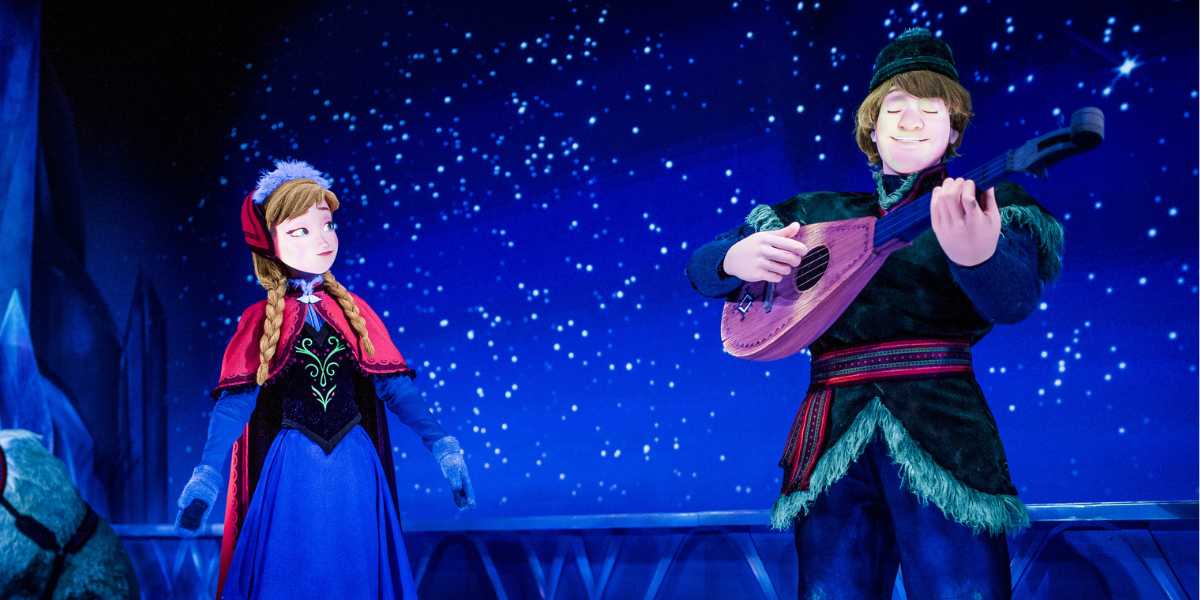
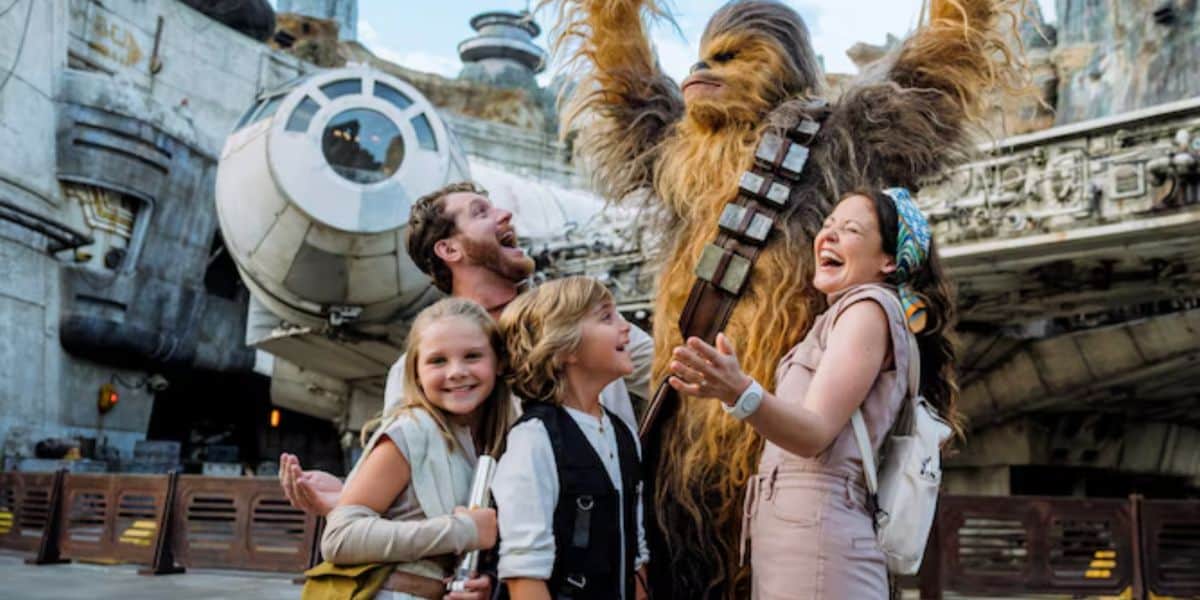
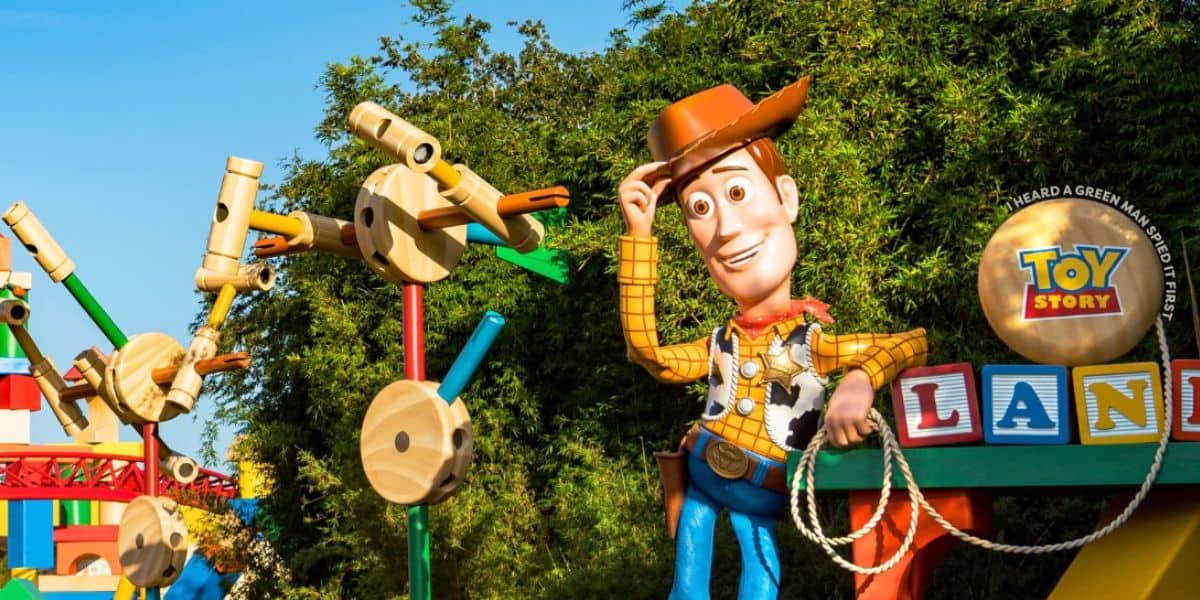
Frozen Ever After brought the world of Frozen to EPCOT, while Star Wars: Galaxy’s Edge created an entire land around the Star Wars universe. Toy Story Land brought Pixar’s Toy Story into Hollywood Studios, and other attractions have similarly relied on familiar characters and stories to establish their identity before guests ever step inside.
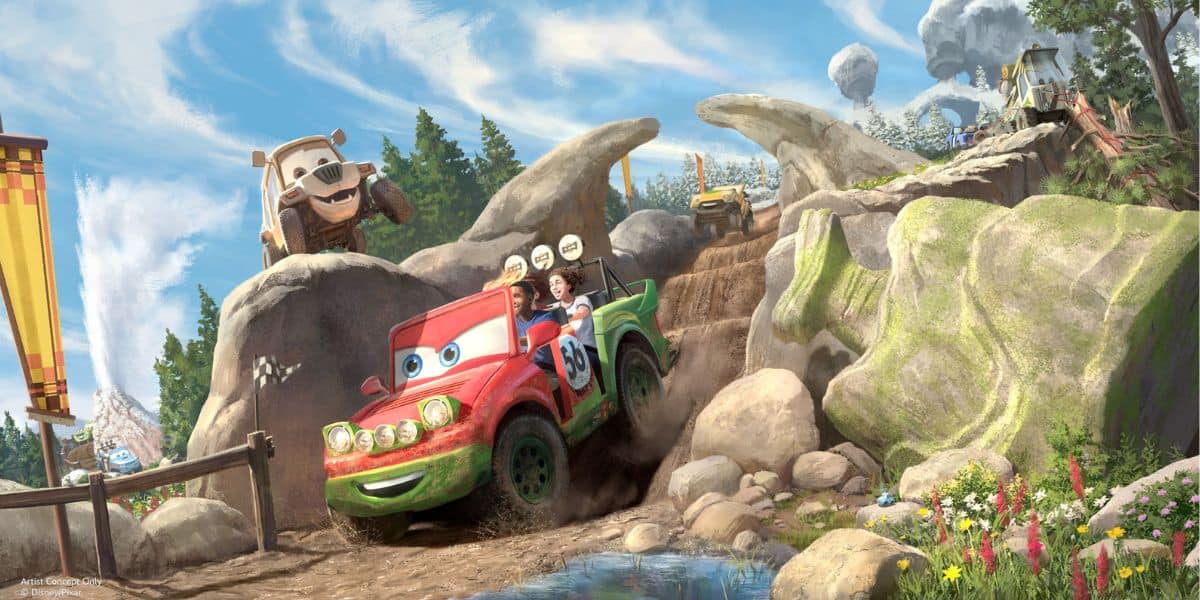
Disney’s current development projects continue that pattern. Animal Kingdom’s Tropical Americas expansion is being built around attractions inspired by Indiana Jones and Encanto. In contrast, Magic Kingdom’s current expansion includes a Cars-themed area and a new land inspired by Disney Villains.
Hollywood Studios is also receiving a Monsters, Inc.-land, further demonstrating how deeply established intellectual property has become intertwined with the future of Walt Disney World.
None of this means Disney has abandoned original storytelling. In fact, Disney continues to develop new stories and experiences within existing franchises, and those stories can be entirely new even when the characters and worlds are familiar. That’s an important distinction when looking at the evolution of Disney’s attractions.
Original Story Doesn’t Always Mean Original IP
A modern Disney attraction can tell a completely new story while still being based on an established intellectual property. The planned Indiana Jones attraction at Animal Kingdom, for example, is expected to feature a new storyline created specifically for the attraction while still using a character and franchise that audiences have known for decades.
That’s very different from what happened with Expedition Everest. Imagineers didn’t have a pre-existing character like Indiana Jones or a cinematic universe like Star Wars to build upon; they had an idea, a setting, and a legendary creature. The mythology was created specifically to make the attraction work.
This distinction matters because “original” can mean several different things in the theme park world. A ride can have an original storyline, an original ride system, or an original setting while still being connected to an existing intellectual property. The increasingly rare category is the major attraction whose fundamental identity — its characters, mythology, setting, and story — is being introduced to guests for the first time.
Why the Difference Matters
For Disney fans, this is more than a semantic distinction. An original attraction asks guests to become interested in something they may not already know. In contrast, an IP-based attraction begins with an enormous advantage: guests already recognize the characters, worlds, music, and stories. That familiarity can make a new attraction immediately understandable and give Disney an enormous amount of storytelling material to work with.
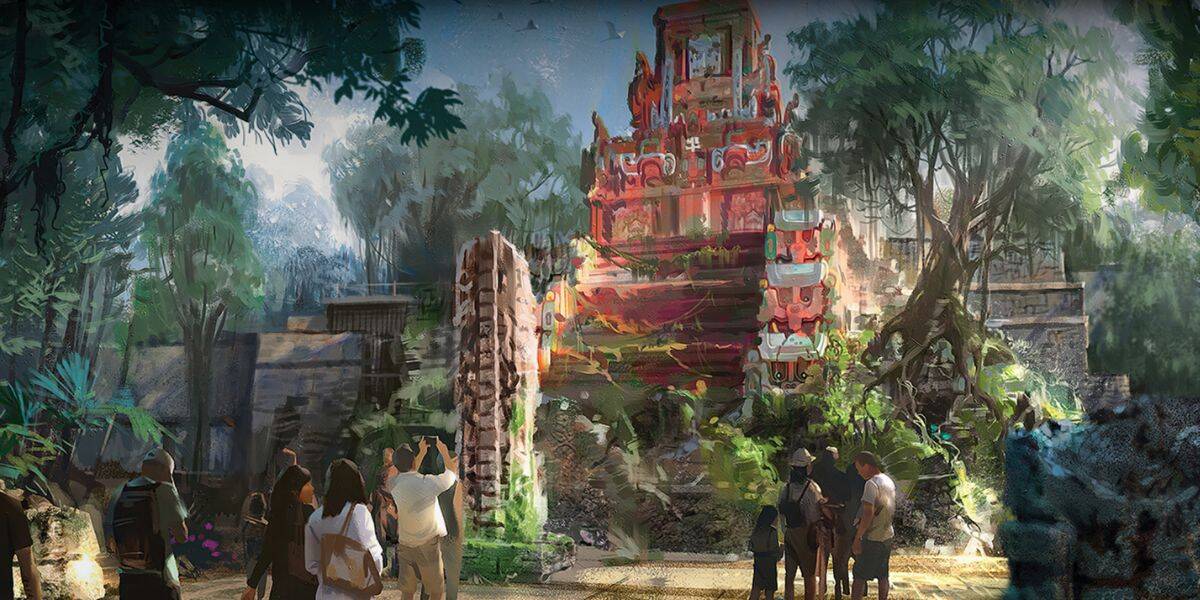
Disney can announce an Indiana Jones attraction, and guests already know what Indiana Jones is. Announce a Cars attraction, and the audience immediately understands the world being presented, even before Disney reveals the details of the ride itself. An entirely new concept requires Disney to sell the idea from the ground up.
That’s not necessarily a bad thing, and it doesn’t mean an IP-based attraction cannot be innovative. It simply represents a different creative challenge. Rather than inventing a world and convincing guests to care about it, Disney can take a world that guests already care about and find a new way to immerse them in it.
The Original Disney Ride Isn’t Gone — But It’s Rarer
It would be too simplistic to say Disney no longer creates original ideas. The company continues to develop new stories, environments, attraction mechanics, and experiences, and many of its existing attractions continue to evolve. But the history of Walt Disney World shows how unusual it has become for a major new ride to arrive without an established intellectual-property foundation.
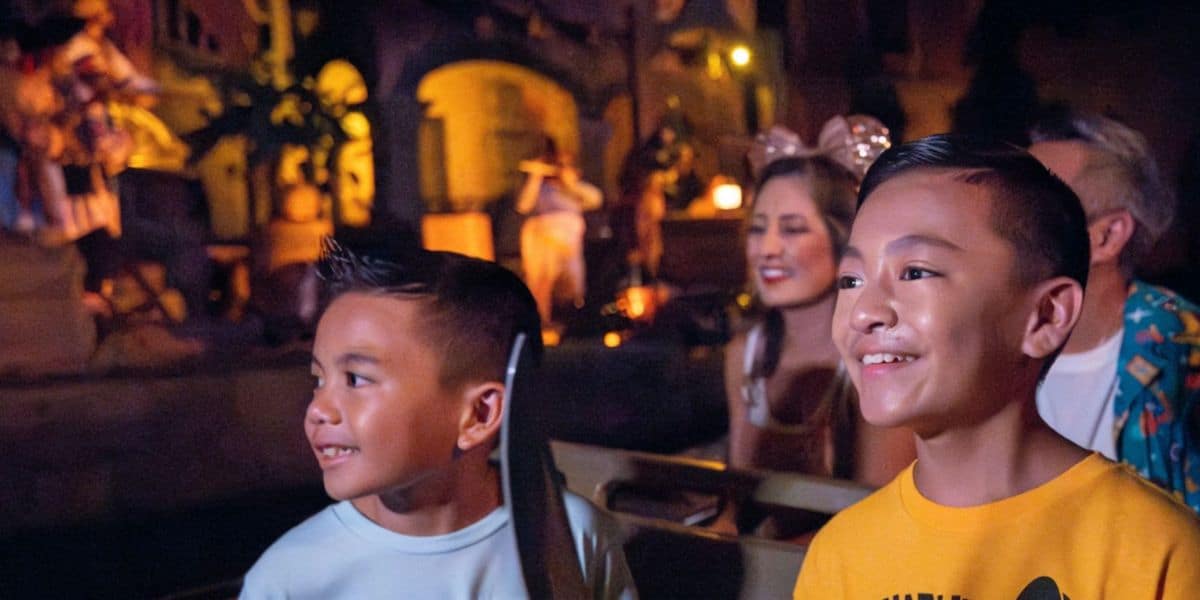
That makes the older attractions especially fascinating. Haunted Mansion didn’t need a movie; Pirates of the Caribbean didn’t begin as a movie franchise; Spaceship Earth didn’t require recognizable characters; and Horizons sold guests on the idea of tomorrow. Expedition Everest created an original mythology around the Yeti specifically for the attraction.
Those attractions represent a particular philosophy of theme park design: create something people haven’t seen before, then give them a reason to care about it. Today, Disney World is increasingly filled with attractions that take the opposite route — start with something millions of people already love, then give them a new way to experience it.
Both approaches can produce memorable theme park experiences. But after more than two decades, Expedition Everest remains a remarkable historical marker for Walt Disney World, representing the latest major chapter in a long tradition of creating original attraction concepts without relying on an existing movie or franchise.
And as Disney continues expanding its theme parks with recognizable stories and characters, that history raises a fascinating question for the future: Will Disney ever return to the era when a brand-new ride could become the IP?