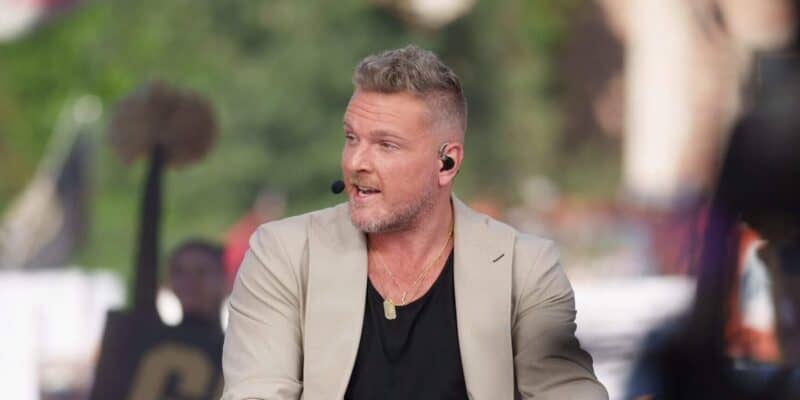
 Credit: ESPN
The Walt Disney Company prides itself on maintaining a pristine, family-friendly image. From theme park guidelines to corporate broadcasting standards, Disney has historically enforced strict conduct policies for its representatives. However, Disney is currently facing criticism from fans, media analysts, and political commentators after high-profile on-air talent at its sports subsidiary, ESPN, was involved in back-to-back viral controversies.

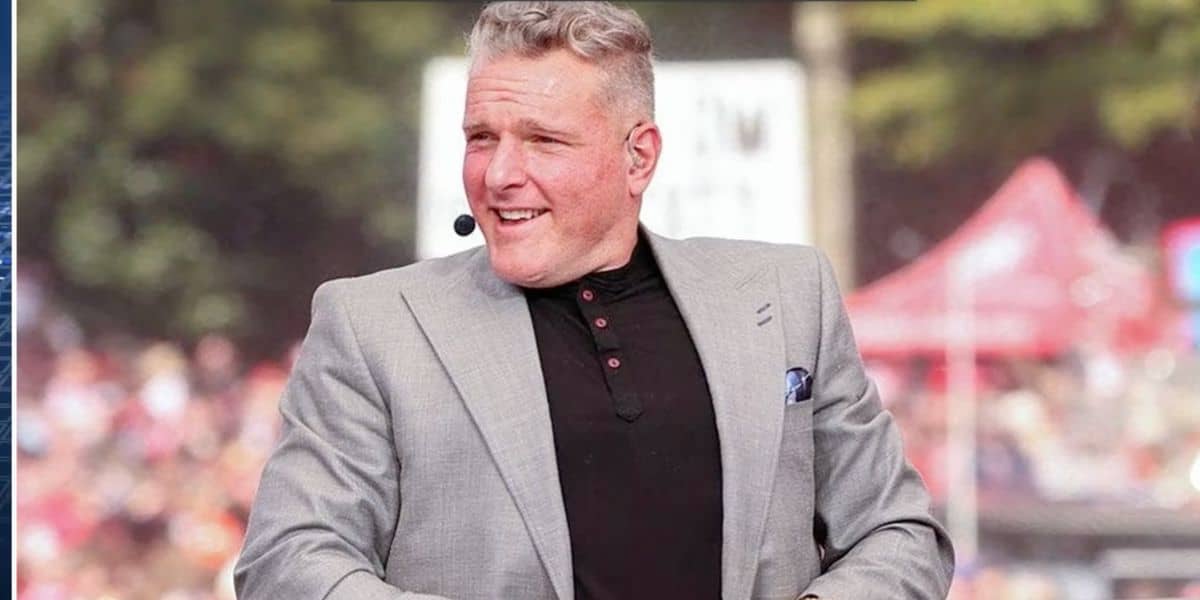
In less than 48 hours, ESPN personality Pat McAfee made headlines after viewers believed they saw him smoking a lit or smoking object live on The Pat McAfee Show before making a controversial comment during an ESPN College GameDay broadcast that some viewers interpreted as a joke about illegal immigrants. Despite public scrutiny and calls for accountability on social media, Disney executive leadership had not addressed either incident publicly as of publication, reigniting debate over corporate standards in mainstream media.
The On-Air Incident: Smoking Live on Disney-Owned ESPN
The trouble began during a Thursday broadcast of The Pat McAfee Show, which airs weekdays on ESPN and streams across ESPN’s digital platforms. A viral video clip captured McAfee holding what appeared to be a lit or smoking object on camera, sparking immediate reaction among viewers and media commentators.
While marijuana laws have relaxed in many states across the country, the available footage does not establish that the substance McAfee was handling was marijuana. Nor is there a universal television broadcast rule that simply prohibits an adult personality from appearing with a smoking object on camera. Individual networks can, however, maintain their own standards and policies, and the incident prompted questions about ESPN’s approach to on-air conduct.
Social media users quickly seized on the moment, expressing shock that an anchor could engage in such behavior on live Disney-owned sports programming.
Following the broadcast, McAfee addressed the viral clip on X (formerly Twitter) with a tongue-in-cheek dismissal.
“Little sage never hurt nobody,” McAfee wrote. “Also This Buffalo Bills team came out on fire in their new home, just smokin the Lions in all phases.”
Despite his attempt to laugh off the incident, the clip reignited long-standing questions regarding how much editorial control Disney and ESPN actually exercise over their multi-million-dollar sports talent.
College GameDay Controversy: The Immigrant Hunting “Joke”
Before the dust could settle from the on-air smoking controversy, McAfee found himself in the crosshairs of another viral storm during Saturday’s broadcast of ESPN’s College GameDay in Oxford, Mississippi.
During a military flyover by the Mississippi National Guard, the crowd gathered on campus began chanting “USA! USA! USA!” as aircraft roared overhead. Co-host Rece Davis commented on the pageantry of the flyover, to which McAfee responded with a fiery comment about American military power:
“We certainly appreciate the hell out of the American military,” McAfee shouted into his microphone. “And if you’re not the United States of America and you hear that sound, your ass better run.”
While some viewers viewed the statement as a patriotic tribute to the armed forces, online critics and political commentators quickly interpreted the phrasing as potentially referencing illegal immigration or border crossings. McAfee did not explicitly mention immigrants, immigration, undocumented people, or the U.S. border in the quoted remarks, and his intent has not been established.
Prominent conservative commentator Jon Root highlighted the moment on social media, noting what he saw as a contrast between McAfee’s unfiltered commentary and Disney’s stated corporate commitments to diversity and inclusion. The post generated significant engagement, drawing reactions from users who criticized ESPN for allowing what they viewed as hyper-political or aggressive rhetoric during what is supposed to be a family-friendly Saturday morning college football show.
Disney’s Deafening Silence and Corporate Double Standards
What has angered some Disney fans and industry observers most is not merely the behavior of its on-air personalities, but the lack of a public statement from Disney or ESPN leadership in the aftermath. As reported by The Fresno Bee and national sports media outlets, neither ESPN chairman Jimmy Pitaro nor Disney CEO Josh D’Amaro had publicly addressed either incident as of publication.
This lack of a public response has prompted comparisons with previous controversies involving Disney and ESPN talent. Over the years, Disney and ESPN have taken significant action against employees or personalities whose conduct generated controversy:
Paul Pierce: The former NBA star and ESPN parted ways in 2021 after Pierce posted a controversial video on his personal Instagram account during an off-air poker game. The video showed Pierce drinking, smoking, and partying. ESPN did not publicly provide a detailed explanation of the decision.
Gina Carano: The Mandalorian actress was dropped by Lucasfilm and Disney after controversial political posts on social media. Lucasfilm said at the time that her posts were “abhorrent” and unacceptable, and stated that there were no plans for her to work for the company in the future.

Roseanne Barr: ABC swiftly canceled her hit sitcom reboot following a controversial tweet about former Obama adviser Valerie Jarrett. ABC Entertainment leadership announced the cancellation after the tweet generated widespread criticism.
Media critics have pointed to what they see as a difference in how Disney-associated talent has been treated in previous controversies. While other talent faced significant professional consequences for off-air or social-media activity, McAfee—who reportedly signed a five-year, $85 million deal with ESPN in 2023—operates under a notably different contractual and creative arrangement than many traditional ESPN personalities.
The $85 million figure was reported by sports media outlets at the time of the agreement and was not publicly disclosed by ESPN in its official announcement of the deal.
The Growing Rift Between Theme Park Values and Network Sports
For theme park enthusiasts and Disney stockholders, the ongoing saga highlights a perceived divide between Disney’s core brand identity and its sports broadcasting divisions.
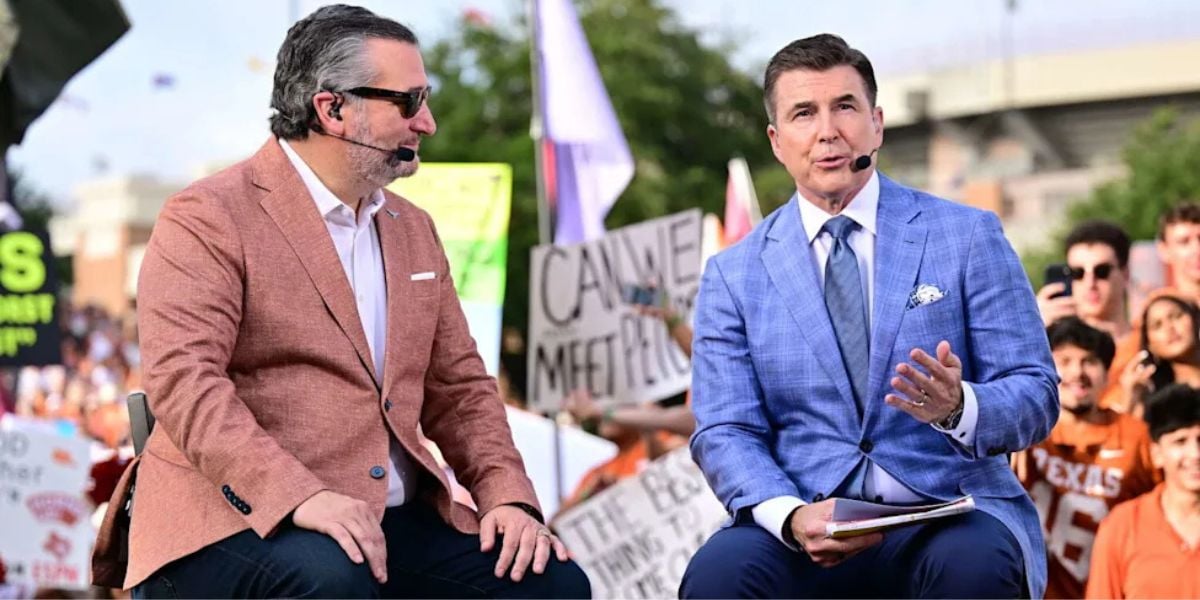
At Walt Disney World and Disneyland, strict rules govern dress codes, language, and guest behavior to maintain a safe, family-oriented environment. Visitors can face action for violating Disney’s rules concerning profanity, illegal substances, or disruptive behavior. Yet on Disney’s flagship cable networks, multimillion-dollar hosts are permitted to engage in behavior that some critics believe would violate the standards expected of an ordinary park guest.
The comparison, however, involves two different sets of circumstances. Disney’s theme park rules govern guests and conduct on Disney property, while ESPN’s television programming operates under separate employment, production, and broadcasting policies. There is no evidence establishing that Disney’s theme-park rules directly apply to ESPN’s on-air talent.
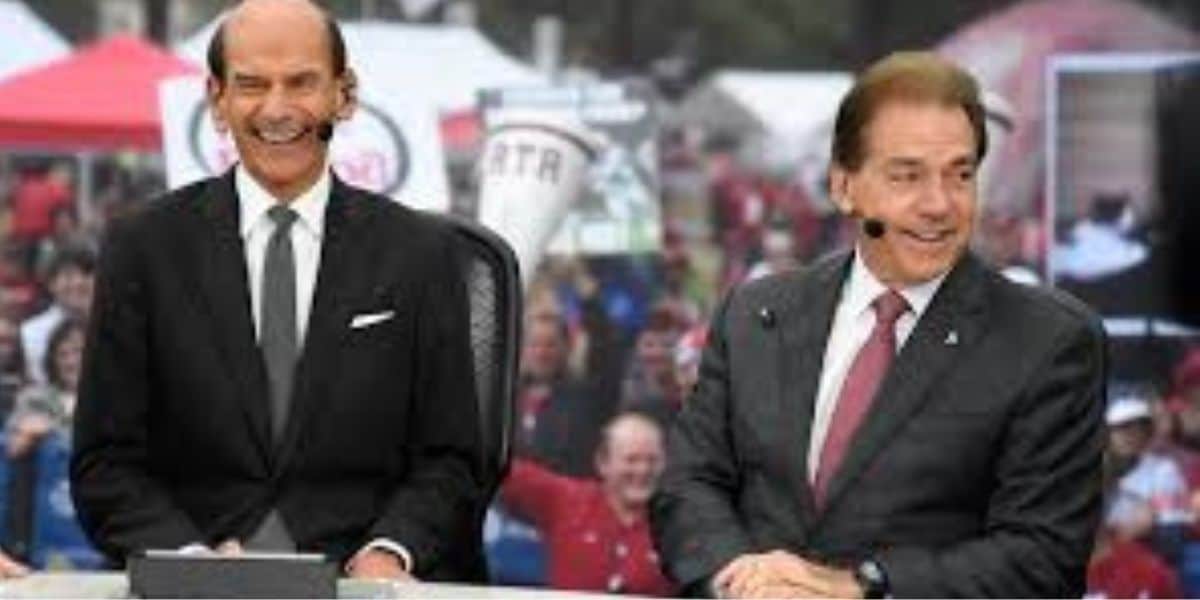
As competition in the media landscape heats up, Disney finds itself in a tough spot. On one hand, executives have publicly embraced McAfee’s edgy, unfiltered style, and ESPN has described his program as highly engaging. On the other hand, controversial on-air conduct can raise questions about the relationship between ESPN’s programming approach and Disney’s broader corporate brand.
What Comes Next for Disney and ESPN?
With public criticism continuing, attention will turn to whether Disney or ESPN executives respond to either incident. While McAfee remains an active ESPN personality, his future appearance schedule should be confirmed against the network’s latest programming information.

For a company that frequently emphasizes corporate responsibility, the absence of a public response may continue to fuel debate among fans and critics. Until Disney and ESPN clarify how their standards apply to high-profile talent and how controversial on-air conduct is evaluated, questions about consistency in the treatment of employees and personalities are likely to continue.
For additional context on the broadcast controversy, watch this Pat McAfee’s College GameDay Comments Spark Backlash video detailing the social media reaction to the College GameDay segment. This video is relevant as it provides a direct overview of the commentary and public fallout surrounding the incident on ESPN.