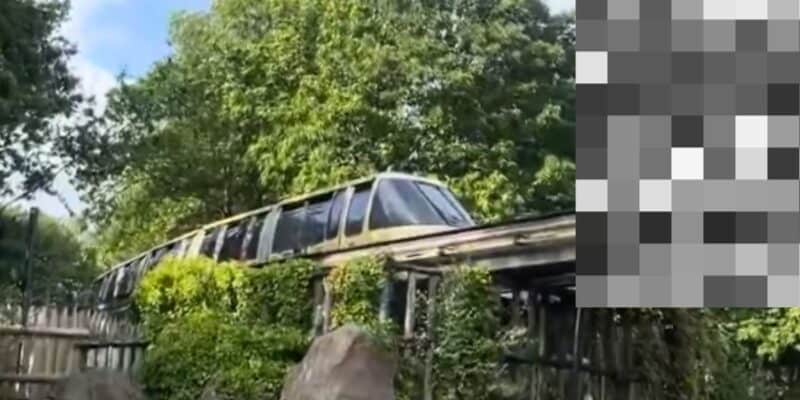
 Credit: @WickerwomanH on X
A terrifying incident unfolded right before the eyes of guests passing by and those onboard two monorail trains that nearly collided at this major theme park.
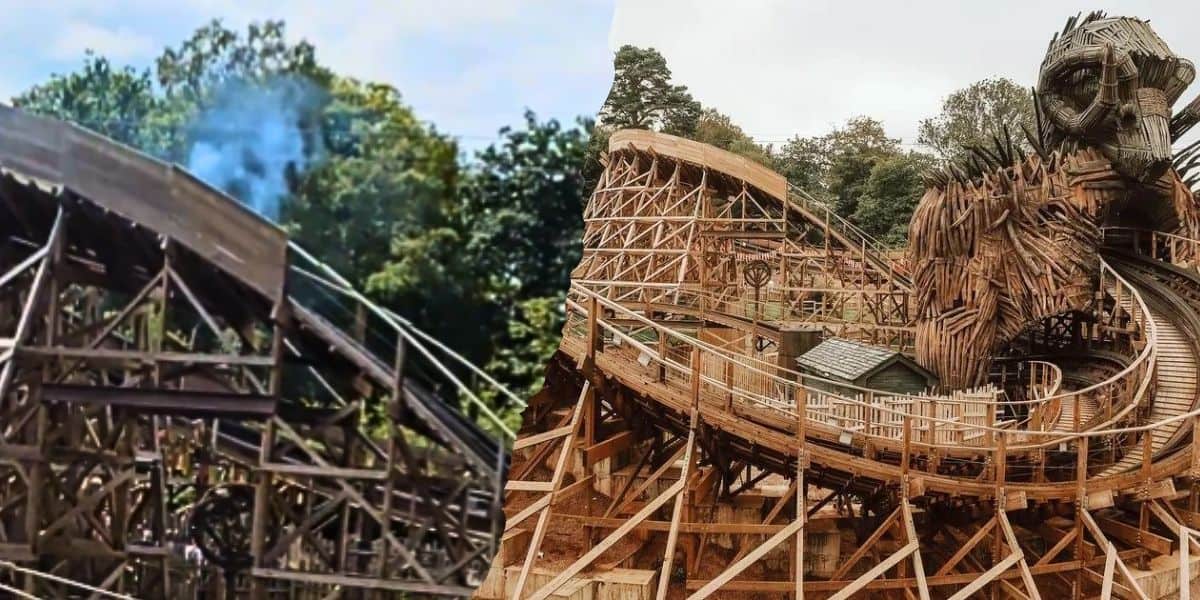
Alton Towers Monorail Incident Caught on Film
A reported Alton Towers monorail incident on September 19, 2026, has put fresh attention on transportation safety at the Staffordshire theme park. A social-media post from @WickerwomanH depicted two monorail trains stopped facing one another and described the situation as a near collision, with guests reportedly aboard.
that’s not supposed to do that – @WickerwomanH on X
that’s not supposed to do that pic.twitter.com/qd7xeaEGHs
— H (@WickerwomanH) September 19, 2026
That distinction matters. The image is alarming, but it does not establish why the trains stopped, whether their positioning was abnormal under the system’s operating design, or whether a collision was imminent. There is currently no verified evidence that a track switch, signaling system, safety override, or operator action failed.

Reported Alton Towers Monorail Incident Leaves Key Questions Unanswered
Alton Towers describes its Resort Monorail as the transportation link between the car park and theme park entrance. The service normally opens from 9:30 a.m., subject to operational restrictions, and closes one hour after the advertised ride close. The park was scheduled to operate from 10 a.m. to 6 p.m. on September 19.
The incident comes as Alton Towers continues investing elsewhere across the resort. Inside the Magic has covered both the new Bluey attraction at Alton Towers and the park’s work on major thrill rides, including Nemesis Reborn following its extensive retracking.
Inside the Magic has also previously reported on operational incidents at the resort, including an evacuation involving Oblivion and a fire-related shutdown involving Wicker Man. Those events had different circumstances and do not establish what happened with the monorail Saturday.

Why the 2015 Smiler Crash Changes How This Incident Will Be Viewed
For longtime Alton Towers followers, the sight of two vehicles apparently facing one another inevitably carries historical weight because of The Smiler. On June 2, 2015, a passenger train on the roller coaster collided with an empty stationary train, seriously injuring riders.
The Health and Safety Executive later found that the underlying problem was not a defect in The Smiler’s track, cars, or control system. The enforcement case centered on Merlin Attractions Operations Ltd.’s failure to establish sufficiently robust arrangements for safety-critical decisions. Merlin pleaded guilty to a health-and-safety offense and was fined £5 million in 2016.
That history makes scrutiny of Saturday’s reported monorail event understandable, but it does not make the two incidents technically comparable. There is no verified evidence that the monorail experienced the kind of control-system override involved in The Smiler crash. Treating that as established would move beyond the available facts.
The resort’s history with thrill attractions remains central to its identity, from The Smiler to Oblivion and Nemesis. Inside the Magic has previously examined how even operational changes at Alton Towers attractions such as Oblivion can draw attention because of the park’s unusually recognizable coaster lineup.

Alton Towers Says Rides Undergo Independent Inspection
Alton Towers states that its rides undergo annual inspection by an independently certified inspection body under the Amusement Device Inspection Procedures Scheme. The resort also says ride operators receive supervised training and that its roller coasters use systems that monitor safe operation.
Those statements describe the resort’s broader safety program; they should not be read as an explanation of the September 19 monorail report. The monorail’s specific operating safeguards, stopping logic, switching arrangements, and procedures relevant to Saturday’s event have not been publicly detailed in connection with what occurred.
The HSE has separately noted that failures or incorrect operation of amusement devices can have catastrophic consequences even though its analysis of valid injury reports found very few injuries resulting from ride failure or incorrect operation. Its sector guidance specifically cites the 2015 Smiler incident among cases demonstrating the potential consequences.

What the Reported Stoppage Means for Alton Towers Guests
The immediate practical question is whether the monorail remained unavailable or faced restrictions after the reported stoppage. Alton Towers’ official directions page notes that guests can walk between the parking areas and entrance, with estimated walks ranging from roughly 10 to 30 minutes depending on where they park.
For guests, losing the monorail can therefore mean a significantly longer walk at the beginning or end of a park day. Transportation infrastructure may lack the profile of The Smiler or Nemesis Reborn, but its reliability can still have an immediate effect on the visitor experience.
The incident also arrives as Alton Towers expands its family-focused offerings. Inside the Magic previously covered the resort’s Bluey-themed hotel additions, another example of how the property increasingly operates as a multiday resort rather than solely a collection of rides.
What Needs to Be Confirmed Next
The most important next step is an official explanation from Alton Towers or Merlin Entertainments establishing exactly what happened. Confirmation is needed on whether the trains were on the same running rail or merely appeared aligned from the camera angle, what caused them to stop, how close they came, whether passengers were aboard both trains, and whether anyone was evacuated or injured.
Until those facts are available, describing the event as a confirmed “near-head-on crash” would be premature. The social-media report warrants attention, and Alton Towers’ history makes careful scrutiny appropriate, but the strongest claims about the cause and severity remain unverified.
If Alton Towers, Merlin, or a regulator releases additional information, that response will determine whether September 19 was a precautionary stop that looked frightening from the ground or evidence of a more consequential operational failure. For now, that distinction remains the central unanswered question.