2
2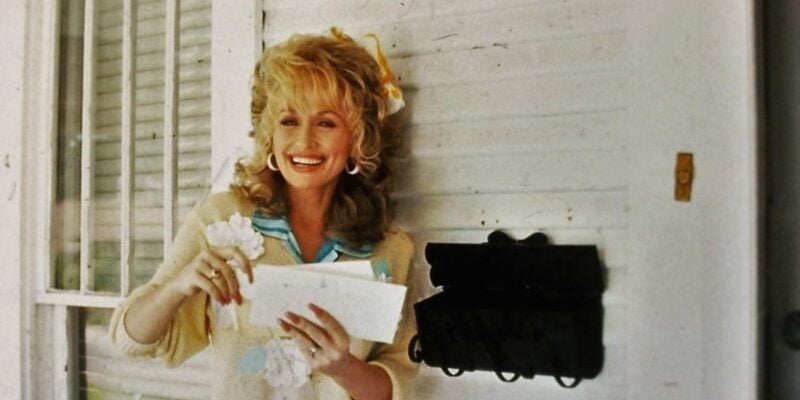
 Credit: Tri-Star Pictures
The world is grieving the monumental loss of country music legend and philanthropist Dolly Parton, who passed away on August 25, 2026, at the age of 80 following a brief battle with cancer. While fans and celebrities around the world have shared heartbreaking, poignant tributes from lifelong friends, fellow musicians, and millions of fans, a darker trend has also emerged: the tone-deaf celebrity tribute. At the center of this controversy is former Silver Spoons and NYPD Blue star Ricky Schroder, who is facing widespread backlash for transforming his memorial post into a political soapbox.
“Movie Daddy” Misses the Mark
Schroder, who played Dolly Parton’s father, Robert Lee Parton, in the 2015 NBC television film Dolly Parton’s Coat of Many Colors and its 2016 sequel, took to Instagram shortly after her death was announced. Instead of simply offering condolences, the 56-year-old actor used the moment to air his personal grievances regarding her public advocacy.
“I didn’t agree with her advocating for Transgender & Covid Vaccine support…but loved her anyway,” Schroder wrote alongside a photo of himself with the late singer. He concluded the caption with “Thank you for choosing me, Dolly, to be your Movie Daddy.”
The internet wasted no time criticizing the post. Fans and fellow celebrities alike slammed Schroder for using a beloved icon’s death to center his own conservative political viewpoints. Veteran journalist Katie Couric replied on Threads with a simple, succinct “Ick.” Pop icon Boy George commented, “Oh shut up,” while Garbage frontwoman Shirley Manson took a much more direct approach, writing, “F*ck off Ricky Schroder.”
Perhaps the most viral takedown came from podcaster Jamie B. Golden, who referenced Schroder’s days as a child star: “In case you were wondering why the superstar from Silver Spoons ended up being Jason Bateman and not you – it’s this energy.”
Doubling Down on the Disrespect
Rather than retracting his comments, Schroder followed up by sharing an old video of Parton encouraging her fans to get the COVID-19 vaccine—a vaccine she helped fund. Over the video, Schroder wrote, “I warned Dolly to not support the Experiment. Wished she listened,” signing off with a sad face emoji.
Fans found the follow-up even more upsetting, with some accusing Schroder of implying, without evidence, that Parton’s decision to support the COVID-19 vaccine was connected to her death. “Imagine being the first (and probably only) person in the whole world to post something negative about Dolly,” one commenter noted. Another added, “What a sh*tty, self-centered tribute.”
The Unmatched Generosity of Dolly Parton
Schroder’s criticism of Parton’s public advocacy stands in sharp contrast to the charitable legacy that made the Queen of Country so widely beloved. Parton’s philanthropy was not simply a political talking point; it was a defining part of her public life.
When the pandemic brought the world to a standstill, Parton donated $1 million to the Vanderbilt University Medical Center’s COVID-19 research. The donation supported research that contributed to the scientific work behind Moderna’s COVID-19 vaccine.
For decades, Parton publicly advocated for acceptance and equal treatment of LGBTQ+ people, maintaining a message of compassion and inclusion even when those views could spark controversy among portions of her country music audience.
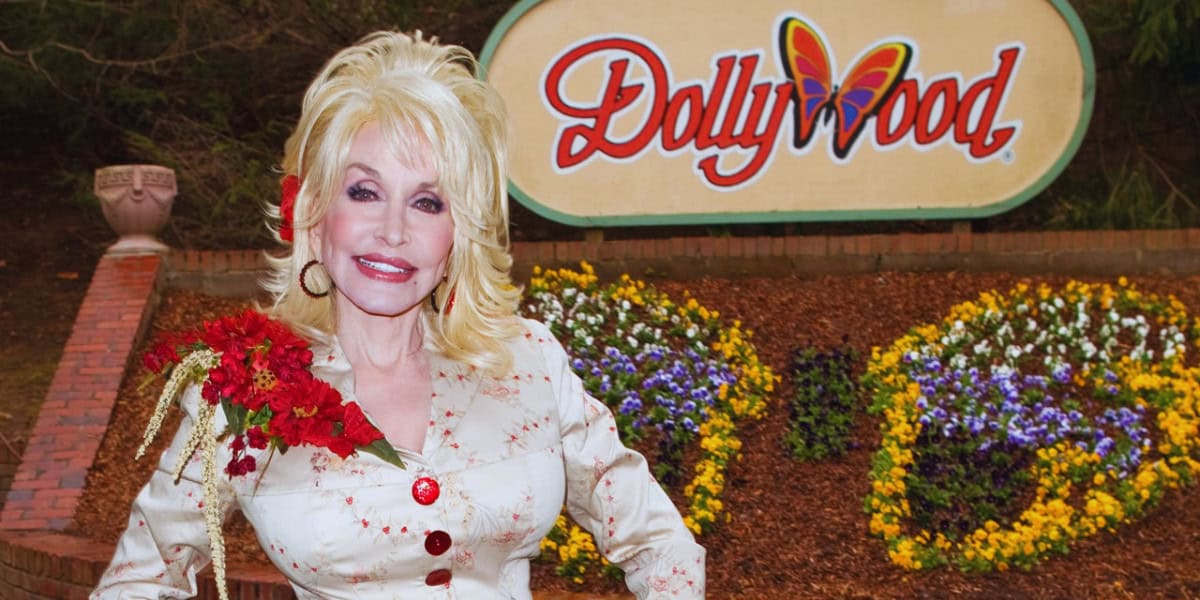
Her generosity extended globally and locally. Through her Imagination Library, Parton helped provide more than 300 million free books to children worldwide to promote early childhood literacy. Closer to home in Pigeon Forge, Tennessee, she became a partner and co-owner of the park that was renamed Dollywood in 1986. The park has long emphasized family experiences and its connection to the surrounding Smoky Mountain community.
Parton’s charitable work also included major disaster-relief efforts, such as assistance to families affected by the devastating 2016 wildfires in her home region of Tennessee. Her broader legacy was built around the generosity, compassion, and community-minded values that became central to her public image.
Hersheypark’s Corporate PR Disaster
While Schroder’s post captured the personal and political sides of tone-deaf tributes, the corporate world blundered just as egregiously. Hersheypark, the massive chocolate-themed amusement park in Pennsylvania, found itself in the crosshairs of intense online outrage after appearing to piggyback on a heartfelt tribute to Parton’s Dollywood legacy.
As grief-stricken fans shared stories of Parton’s generosity, one X (formerly Twitter) user posted a moving tribute praising what they viewed as Dollywood’s reasonable ticket prices and Parton’s commitment to making the park welcoming to families. It was a poignant reminder of the human-first philosophy many fans associate with her approach to the theme-park industry.
In a widely criticized response, the official Hersheypark X account jumped directly into the memorial thread’s replies with a blunt promotional pitch: “Our Summer tickets are $49.99.”
The reaction was immediate and merciless. Theme park fans and Dolly loyalists slammed the park for hijacking a moment of national mourning to market its seasonal discounts. The optics were disastrous: a corporate amusement giant appearing to plug its own sales under a post honoring a woman whose public image was closely associated with generosity and family experiences.
Recognizing the mistake, Hersheypark deleted the tweet and posted an apology on X:
“We certainly respect your concern. A reply clarifying our ticket price in another conversation was posted without seeing the context of the chain so we removed quickly to avoid any confusion or insensitivity over intent. We absolutely apologize for the error.”
Hersheypark later explained that the response resulted from a social media employee attempting to address a conversation about Hersheypark’s own ticket pricing without realizing the reply would appear in a discussion about Dollywood. Although the park characterized the incident as an accidental reply made without the proper context, the damage was already done. For many critics, the episode highlighted the disconnect that can occur when corporate social media messaging collides with a moment of public mourning.
Misguided Empathy and Final Thoughts
Hersheypark and Ricky Schroder were not alone in missing the mark following the singer’s death. Allie Colleen, country singer and daughter of Garth Brooks, also faced criticism for posting a tribute that seemed to make Parton’s death about her own father, writing, “My greatest fear in life is the day my Dad loses his life, and I have to see the world mourn a man they never knew the way I knew him.” Critics felt the sentiment centered on her own anxieties rather than Parton’s remarkable life, prompting a debate in her comment section.

When a figure as monumental and universally adored as Dolly Parton passes away, the public expects reverence, respect, and selflessness. Tributes that center on the poster’s personal politics, appear to prioritize corporate marketing agendas, or focus heavily on personal fears, can quickly become the subject of public criticism. As Ricky Schroder and corporate entities like Hersheypark have learned, appearing to disrespect the Queen of Country—or appearing to use her passing as an opportunity for self-promotion—is a guaranteed recipe for backlash.