Credit: Matt Dempsey, Flickr
There is a version of this story that most people never hear about, and that is by design. Walt Disney World is one of the most visited places on earth, welcoming tens of millions of guests every year across four theme parks and a resort complex that operates around the clock. In a place of that size and volume, medical emergencies happen.
They happen in queues, in restaurants, at hotel pools, and occasionally on attractions. The vast majority of those incidents are handled quietly, professionally, and without public disclosure. Disney does not comment on individual guest medical situations, and the infrastructure it has built to respond to emergencies on property is substantial.
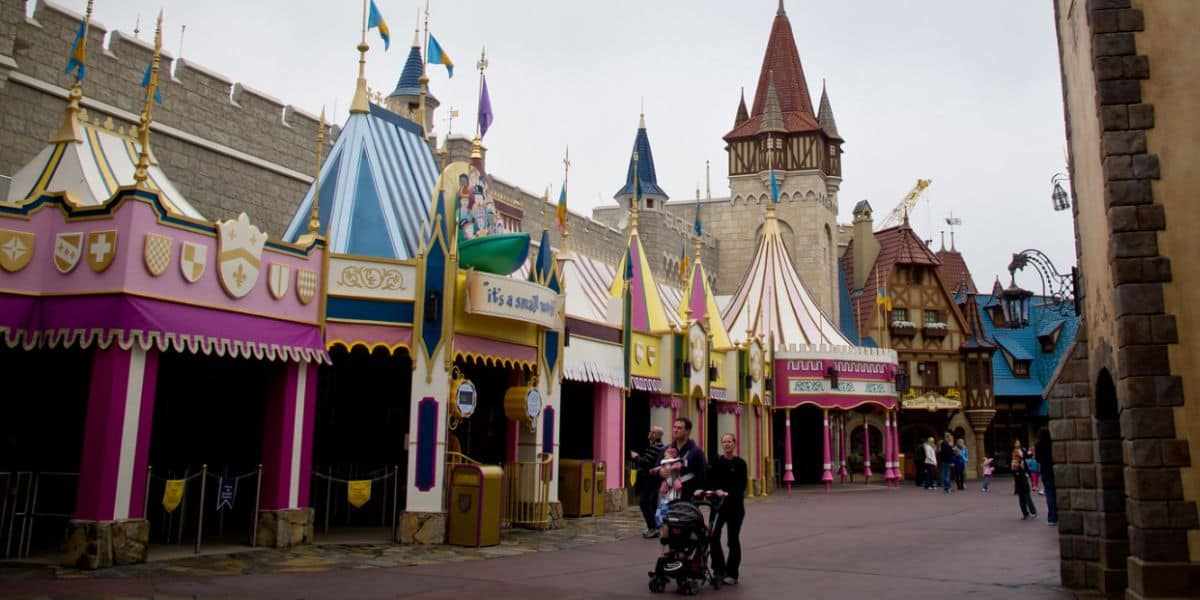
But Florida law requires theme parks to report ride-related injuries and incidents to the Florida Department of Agriculture and Consumer Services, and those reports eventually become public record. They move slowly. They are not announced. And they surface weeks or months after the events they describe, often without the kind of context that helps anyone understand what actually happened or what it means.
That is the situation with a report that is only now coming to light.
TMZ, citing the latest theme park injury report update from the Florida Department of Agriculture and Consumer Services, has confirmed that a 54-year-old man with a pre-existing condition suffered a cardiac emergency while riding It’s a Small World at Walt Disney World on April 24. He was transported to a local hospital. He was later pronounced dead.
The incident occurred in April. It is only surfacing now, nearly three months later, through the state reporting mechanism that exists specifically to document these events. Disney World did not respond to TMZ’s request for comment.
What the State Report Shows
The Florida Department of Agriculture and Consumer Services maintains a database of reported incidents at theme parks operating in the state. Parks are required to submit reports on certain types of guest incidents, including those involving injury or medical emergency on an attraction. The reports are not publicized by the parks themselves and typically lag behind actual events by weeks or months.
The report on the April 24 incident describes a 54-year-old man who experienced a cardiac emergency while aboard It’s a Small World. The man had a pre-existing condition, which was noted in the report. He was removed from the attraction and transported to a local hospital, where he was pronounced dead.
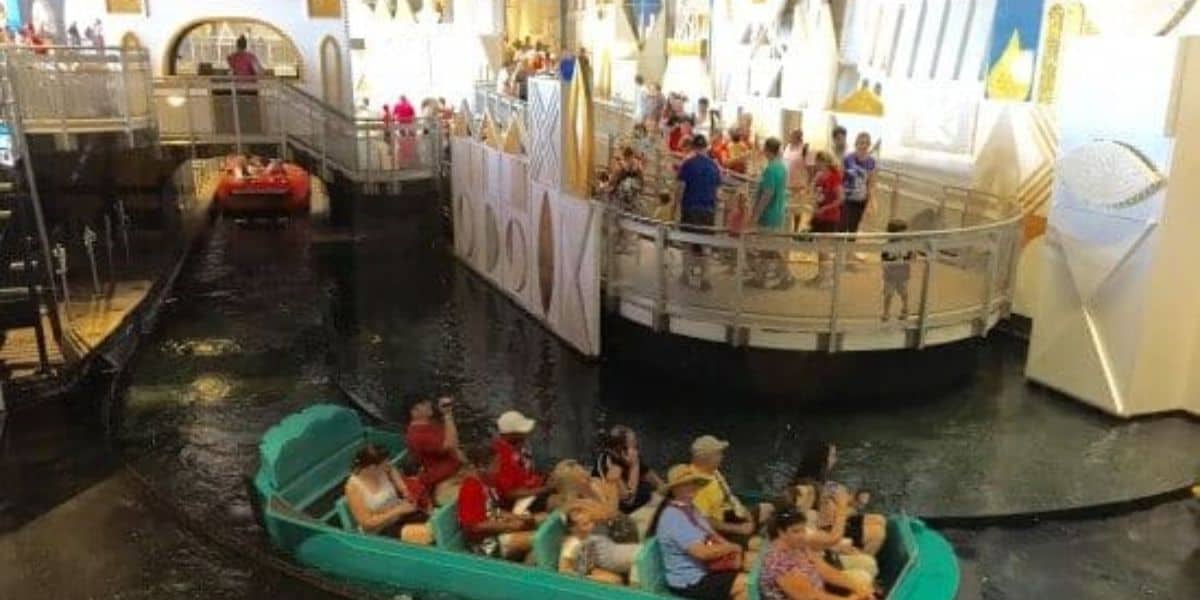
It’s a Small World is one of the most gentle and low-intensity attractions at Walt Disney World, a slow boat ride through scenes populated by singing animatronic dolls representing children from around the world. It has no drops, no sudden movements, and no physical intensity of any kind. Its presence in an incident like this is not indicative of anything about the attraction itself.
Cardiac events can occur anywhere and are driven by pre-existing conditions and individual health factors rather than the nature of the experience a person is having at the time.
Disney World did not respond to a request for comment from TMZ at the time of publication.
Context Within a Broader Period
In October, TMZ reported that a Disneyland guest died after suffering a possible heart attack while riding the Haunted Mansion. Video captured at the time showed the woman being transported out of the attraction on a gurney before she was taken to a local hospital, where she later died.
Four people also died at Walt Disney World in a one-month span late last year, though those deaths did not appear to be related to medical emergencies occurring on attractions.
The incidents span different parks, different attraction types, and different kinds of risk, which makes drawing broad conclusions from any single event difficult and potentially misleading. A cardiac event on a gentle boat ride and a child falling from a log flume are categorically different situations involving different risk factors. What they share is that they all involved guests being transported off Disney property for medical evaluation.
What This Means for a Disney Vacation
Stories like this one tend to provoke anxiety among prospective visitors, and it is worth being honest about what the information does and does not suggest.
Walt Disney World sees an estimated 58 million guests annually. Medical emergencies among that population are statistically inevitable. The resort has invested heavily in on-site medical infrastructure, including automated external defibrillators distributed throughout the parks and trained first responders who can reach any location on property within minutes.
The response to a cardiac emergency at a Disney park is generally faster than what most guests could access in ordinary settings because the system is designed specifically for that kind of situation.
The April incident involved a 54-year-old man with a documented pre-existing condition. Cardiac events in that demographic, on a low-intensity attraction with no physical stress component, reflect individual health circumstances rather than any characteristic of the attraction or the park experience. Guests with known heart conditions are generally advised by their physicians to discuss theme park visits in advance, particularly in high heat and high humidity environments like central Florida in summer.
The three-month gap between the April incident and its current public surfacing reflects how Florida’s reporting system works rather than any deliberate concealment. The state requires parks to report these incidents. Those reports enter a database that becomes public record. They are not announced and they are not fast. TMZ’s reporting is based on reviewing that database as it updates.
For guests planning Walt Disney World visits, there is no specific action warranted by this story beyond the general guidance that anyone with a significant pre-existing cardiac condition should discuss theme park visits with their physician, particularly for visits during high-heat months when the physical demands of a park day are elevated.
If you have experienced a medical situation while visiting a Disney park, or if you have questions about what resources are available on property for guests with health concerns, share your experience or your questions in the comments. These conversations are more useful to other guests than most people realize, and the community often has firsthand knowledge that official sources do not provide.