 Credit: Disney
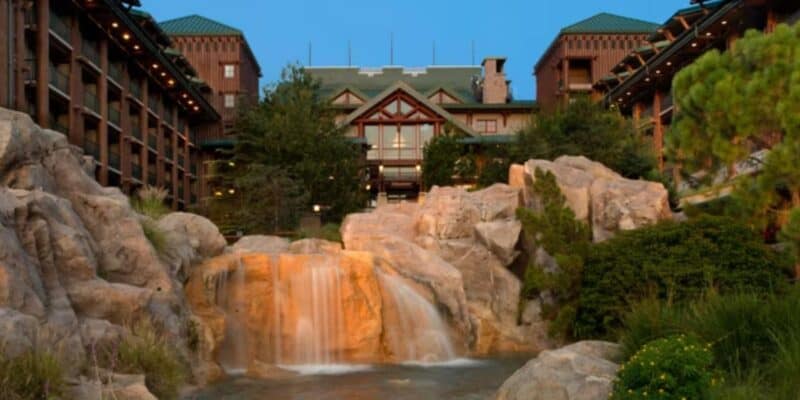
Walt Disney World’s Wilderness Lodge was unexpectedly evacuated on the afternoon of Wednesday, July 1, 2026, forcing hundreds of resort guests out of the main building as multiple emergency vehicles arrived on the scene. The sudden operational disruption required a multi-hour clearance protocol before visitors were permitted to re-enter the property.
While emergency evacuations at large-scale resort hotels are handled with strict safety guidelines, the July 1 incident drew heightened scrutiny from theme park analysts and guests alike.
The emergency evacuation occurred just weeks after the flagship Deluxe Resort suffered a catastrophic, multi-day failure of its air-conditioning infrastructure that left large portions of the grand log layout without climate control during a brutal Central Florida heatwave.
Inside the July 1 Evacuation at Disney’s Wilderness Lodge
The incident unfolded during the middle of the afternoon on July 1, a high-traffic period for the resort as families returned from the neighboring Magic Kingdom park for midday rests. According to firsthand accounts from guests at the property, alarms began sounding inside the main lodge, signaling an immediate evacuation of all hotel rooms, common areas, and dining venues.
While evacuating, visitors noted that there was no visible smoke billowing through the corridors, multiple parties reported a distinct, unusual odor developing within the resort’s massive, multi-story timber atrium. “We didn’t see any smoke, but there was definitely an ‘odd’ smell lingering around the main lobby area right before the alarms went off,” one guest on the scene stated.
The response from local emergency networks was immediate. Multiple fire engines, support vehicles, and ambulances from the Reedy Creek Professional Firefighters (serving the Central Florida Tourism Oversight District) arrived at the main entrance of the resort.
Emergency personnel quickly established a perimeter, blocking off access to the lobby and directing evacuated guests toward the outdoor pool deck, boat docks, and surrounding pathways.

Despite the heavy presence of emergency vehicles, no active emergency dispatches or criminal reports were finalized on public monitoring feeds, suggesting the response was primarily a precautionary investigation into a potential electrical or mechanical anomaly within the building’s central systems.
Following a thorough sweep of the main structure by safety inspectors and fire crews, the building was declared secure. By approximately 5:25 p.m., the evacuation order was officially lifted, and Disney Cast Members began guiding weary guests back into the lodge’s air-conditioned interior.
The June Climate Crisis: Contextualizing the Resort’s Systemic Issues
The July 1 evacuation did not occur in a vacuum. Instead, it capped off a remarkably challenging two-week window for Disney’s Wilderness Lodge operations. Less than two weeks prior, the resort had been the site of a widespread climate control crisis that severely tested the property’s infrastructure and consumer goodwill.

Anatomy of the Central Chiller Meltdown
The background of the resort’s current logistical strain traces back to Thursday, June 18, 2026, when the central cooling tower infrastructure—specifically the primary main chiller lines servicing the main lodge building—suffered a catastrophic mechanical failure. Almost instantly, air vents across the sprawling timber-and-stone resort went quiet.
The structural breakdown could not have occurred at a worse time for the resort. Throughout mid-to-late June, the Central Florida region was locked under intense, high-alert heat advisories. Daytime temperatures regularly climbed into the mid-90s, while the subtropical humidity pushed real-feel heat index values well above 100°F, often peaking between 105°F and 110°F.

Without centralized air conditioning, the heavy, humid outdoor air rapidly invaded the resort’s interior. Within 24 hours of the initial breakdown, the climate inside common areas, primary dining facilities, and guest rooms deteriorated rapidly:
- Guest Accommodations: Multiple travelers reported ambient room temperatures climbing into the low-to-mid 80s, with upper-floor rooms experiencing even higher, stifling temperatures as heat rose through the multi-level structure.
- The Grand Atrium: The resort’s signature grand log lobby, celebrated for its massive open volume and high ceilings, became a massive trap for stagnant humidity.
- Food and Beverage Closures: The extreme indoor heat began to wreak havoc on the resort’s kitchen operations, as ambient conditions in industrial cooking zones made it unsafe for Cast Members to perform their duties, resulting in localized dining disruptions.
The “Heat Soak” Phenomenon and Temporary Mitigation Efforts
The June cooling outage stretched into a multi-day ordeal, officially pushing past its fourth consecutive day by June 21. Many frustrated guests questioned why a premier global entertainment and hospitality company required several days to resolve a commercial HVAC breakdown.
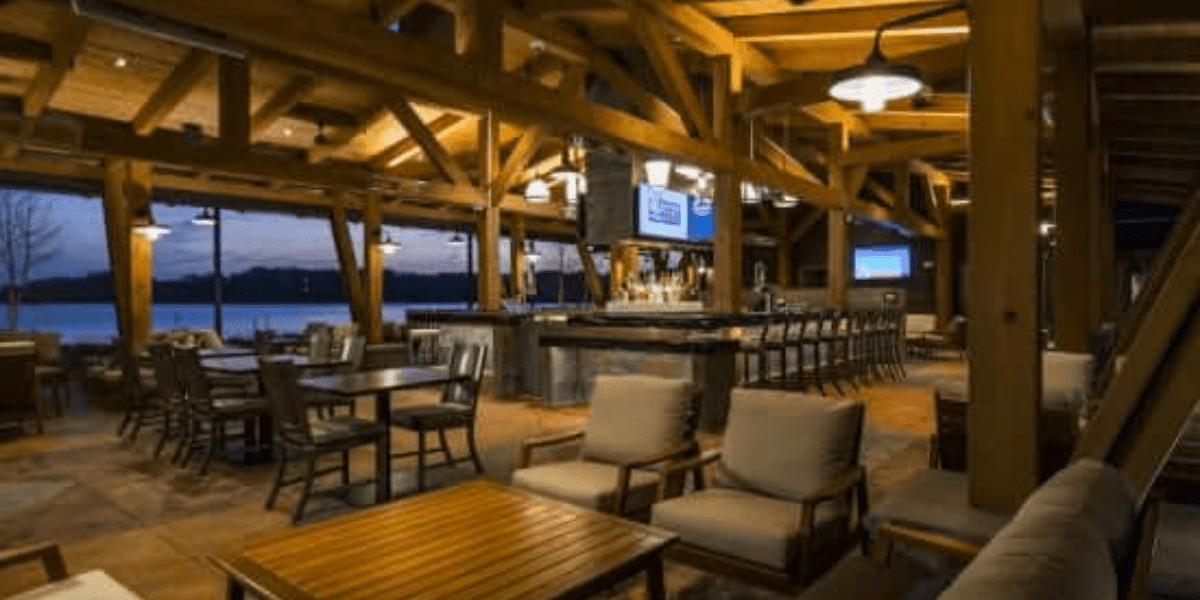
Engineers familiar with large-scale resort infrastructure point to two distinct complications: the inherent complexity of high-volume commercial chiller loops and an architectural phenomenon known as “heat soak.” Because Disney’s Wilderness Lodge is constructed using heavy timber logs, concrete, and deep stone features, the building itself acts as a massive thermal battery.
Once the interior spaces are subjected to days of triple-digit external heat indices, the dense building materials absorb and retain that heat. Even when maintenance crews managed to temporarily push cold air back through the ventilation ducts, the surrounding logs continued to radiate trapped heat outward, slowing the stabilization of the resort’s climate.
To manage the emergency, Walt Disney World engineers deployed a patchwork of smaller, temporary commercial air-conditioning units. These portable units were strategically positioned throughout the corridors to force cooled air into target zones manually.

This triage method created an unpredictable experience for guests. Some room blocks experienced an overnight drop in temperature, while adjacent wings remained stalled in uncomfortably humid conditions. Notably, the Boulder Ridge Villas—a separate, dedicated Disney Vacation Club (DVC) building adjacent to the main lodge—remained unaffected by the June crisis, as it operates on a distinct, independent cooling loop.
By Wednesday, June 24, park operations took the drastic step of turning off the main building’s air conditioning entirely for an extended window to perform comprehensive, heavy-duty systemic maintenance.
While this planned shutdown allowed engineers to complete major repairs on the central chiller lines, the systemic stress placed on the building’s infrastructure over those consecutive weeks has remained a point of discussion following the subsequent July 1 evacuation.
Ongoing Refurbishments and Future Outlook
Compounding the resort’s general operational complexity is a long-term aesthetic overhaul. The exterior of Disney’s Wilderness Lodge has been undergoing a comprehensive refurbishment project for the past several months. The presence of construction equipment, scaffolding, and staging zones around the perimeter of the main lodge has added an extra layer of logistical coordination for the resort’s management team.

While Disney has not released an official statement linking the July 1 afternoon evacuation or the “odd smell” in the lobby directly to either the recent HVAC chiller repairs or the ongoing exterior construction work, the sequence of events underscores the heavy infrastructural demands currently facing the legendary 1994 property.
As operations normalize and peak summer travel season deepens, the rapid response of Disney’s onsite Cast Members and local emergency crews on July 1 demonstrated the efficacy of the resort’s safety and evacuation protocols. By resolving the afternoon scare in under two hours without any reported injuries, the resort managed to safely welcome its guests back to their vacations, aiming for much-needed operational stability.