Comcast is splitting into two public companies, and while guests won’t notice immediate changes, the move could make Universal’s theme parks one of NBCUniversal’s top priorities—fueling future expansion, attractions, and even more competition with Disney.
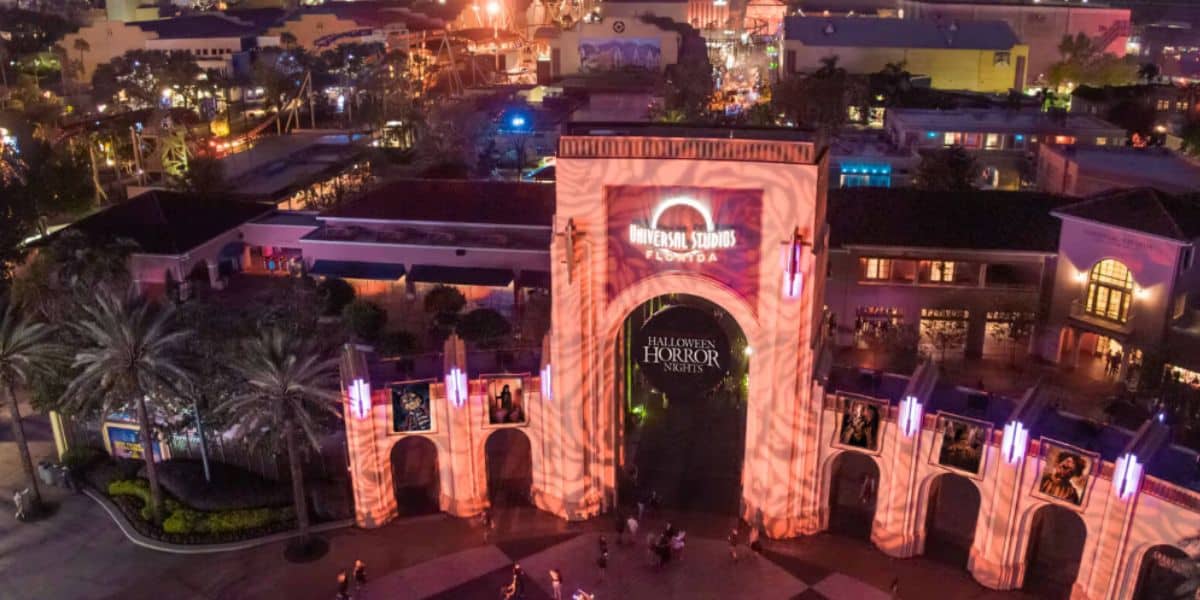
Comcast NBCUniversal Split Could Make Universal Parks a Global Superpower
For most theme park fans, the biggest stories happen inside the parks. A new coaster opens. A beloved attraction closes. A surprise announcement sends social media into overdrive.
But every so often, a decision made hundreds of miles away in a corporate boardroom quietly reshapes the future of the experiences millions of guests love. Those moments rarely make headlines among vacation planners—but years later, they’re often remembered as the turning point that changed everything.
That may be exactly what’s unfolding now. While Universal Orlando Resort is celebrating the arrival of Epic Universe and expanding faster than at any point in its history, another major shift is taking place behind the scenes. It’s the kind of move most guests won’t notice today, yet it could influence what Universal looks like for the next decade.
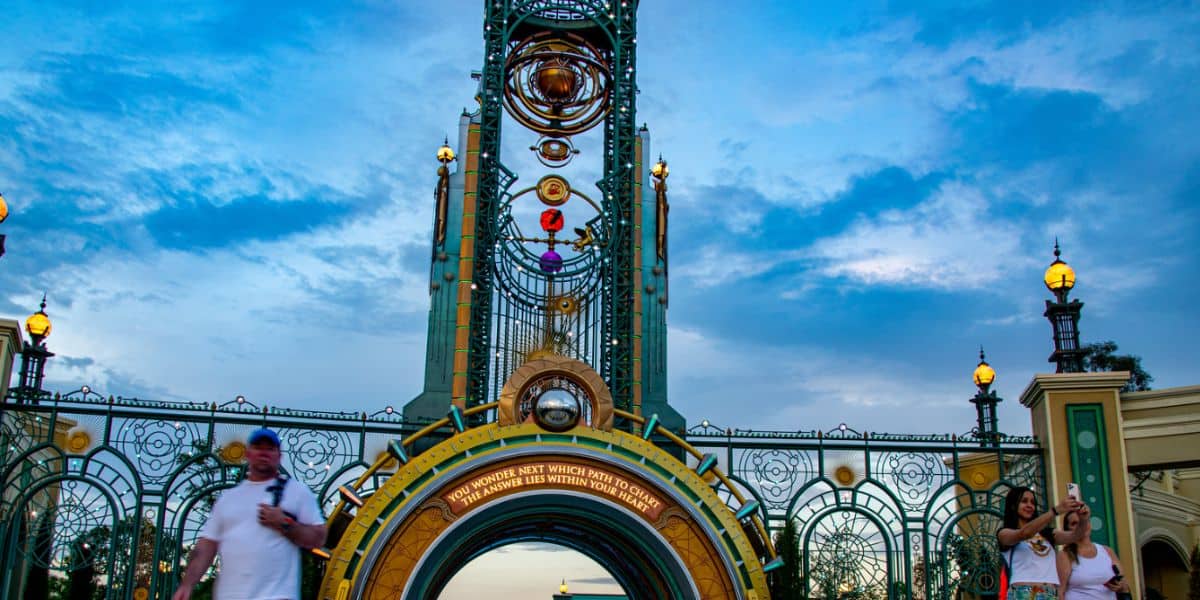
Universal’s Theme Parks Are Suddenly Moving to Center Stage
Comcast announced Monday that it plans to split into two publicly traded companies, separating its broadband and wireless operations from its media and entertainment businesses.
The newly independent entertainment company will include NBCUniversal, Peacock, Sky, Universal Pictures, television studios—and perhaps most importantly for fans, Universal Destinations & Experiences, the division responsible for Universal’s theme parks around the world.
At first glance, that may sound like little more than Wall Street housekeeping. But for longtime Universal fans, this feels far more significant.
Instead of existing as one division inside a telecommunications giant best known for cable and internet service, Universal’s parks will become one of the flagship assets of a company built almost entirely around entertainment.
That distinction matters.
Investor materials released alongside the announcement even positioned the parks among the company’s primary growth businesses, underscoring just how valuable they’ve become during an era when traditional cable television continues losing subscribers.

Why Fans Should Be Paying Attention to What Happens Next
What started as a corporate restructuring could ultimately strengthen one of Universal’s biggest competitive advantages.
Unlike legacy television, theme parks continue generating billions in revenue while expanding into entirely new markets. Over the past several years alone, Universal has launched or announced an extraordinary wave of projects, including Epic Universe, Universal Horror Unleashed, Universal Kids Resort, the planned Universal Great Britain resort, and additional international expansion.
That’s a dramatically different trajectory than many traditional media businesses.
Without Comcast’s broadband division sharing the spotlight, executives may have even stronger justification to invest in attractions, hotels, immersive lands, and destination experiences that continue driving long-term growth.
For guests, that doesn’t necessarily mean bigger announcements tomorrow—but it could mean a company increasingly motivated to make its parks one of its defining businesses.

Don’t Expect Epic Universe—or Any Current Projects—to Slow Down
Whenever massive corporate news breaks, fans naturally worry about construction delays, canceled attractions, or budget cuts.
So far, there’s little evidence suggesting any of that is happening.
Epic Universe remains on track as Universal Orlando’s newest flagship park. Existing expansion projects—including Horror Unleashed, Universal Kids Resort, and the UK resort development—are all expected to continue moving forward.
Comcast says it expects the separation to take roughly a year, pending regulatory approvals and board approval, and company leadership has emphasized that the restructuring is about giving both businesses greater focus—not reducing investment.
For the average guest planning a vacation, tickets won’t suddenly change. Annual Passes remain the same. Hotels continue operating normally. Universal Orlando isn’t being renamed, and the same management teams are expected to remain in place.
In the short term, most visitors won’t notice anything different at all.
The Connection Between Movies and Parks Could Become Even Stronger
One reason Universal has enjoyed enormous momentum in recent years is its ability to transform blockbuster intellectual property into immersive experiences.
From Super Nintendo World and How to Train Your Dragon to Jurassic World, Minions, Universal Monsters, and the growing influence of films like Wicked, the company has increasingly blurred the line between cinema and theme parks.
That strategy becomes even more compelling under the new structure.
Because Universal Pictures, Peacock, DreamWorks, Illumination, and the parks all remain together under NBCUniversal, the company has every incentive to keep turning successful films into attractions—and successful attractions into even bigger entertainment franchises.
It’s a formula that’s already proven incredibly successful, and many fans believe it’s only getting started.

This Could Eventually Change the Competition With Disney
Perhaps the biggest long-term question isn’t about Comcast at all.
It’s about Disney.
Industry analysts have already speculated that an independent NBCUniversal could eventually pursue acquisitions—or even become an acquisition target itself—despite Comcast executives firmly rejecting suggestions that the split is designed to pave the way for a sale.
Whether or not that ever happens, one reality already seems clear: NBCUniversal’s entertainment business will have greater freedom to focus on the brands generating the most excitement and growth.
And today, few businesses fit that description better than Universal’s theme parks.
For Disney, that’s a development worth watching closely. The rivalry between the two resort giants has intensified dramatically with Epic Universe’s arrival, pushing both companies to think bigger, invest faster, and continually raise guest expectations.
Ironically, what looks like a routine corporate restructuring could become one of the most important theme park stories of the decade.
Guests may never remember the day Comcast announced its split. But if this move ultimately leads to bigger investments, faster expansion, and even more ambitious attractions, fans could look back years from now and realize this was the moment Universal stopped being just another division—and became one of the entertainment industry’s biggest priorities.