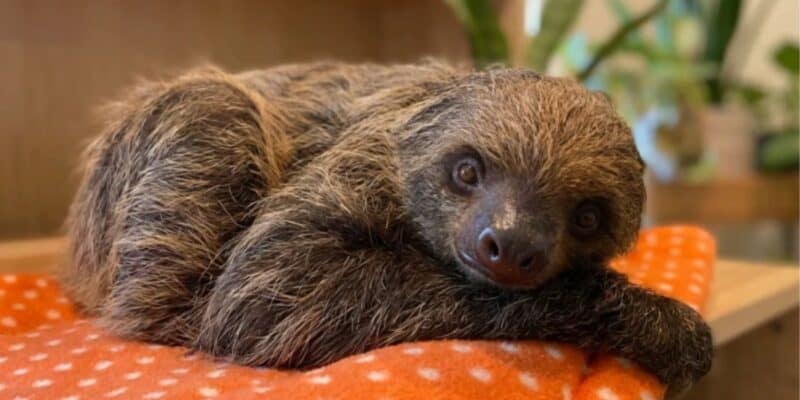
 Credit: Sloth World
The story of the Sloth World sloths has been one of the more emotionally complicated narratives in the Central Florida animal care community over the past several months, and the people who have been following it since the beginning know exactly how difficult the updates have sometimes been to read.
Thirteen two-toed sloths arrived at the Central Florida Zoo and Botanical Gardens on April 24 after being rescued from Sloth World, the Ocala-area facility that had drawn significant attention and controversy in the weeks preceding their transfer. The animals arrived in serious condition. Many were showing signs of dehydration, low body weight, and gastrointestinal issues.
The Central Florida Zoo’s animal care team, working alongside veterinary teams, nutrition staff, and sloth care specialists, took on the intensive work of giving each animal the best possible chance at recovery.
Not every sloth made it. Bandit, Habanero, Dumpling, and young Mr. Ginger did not survive despite the care team’s efforts, and each loss landed hard for the community of people who had been following the story and cheering the sloths on from the outside.
The updates during the darkest stretches of the recovery period were delivered with transparency and care by the Central Florida Zoo team, and the people following along responded with genuine emotional investment in every animal that was still fighting.
The Good News for the Sloths
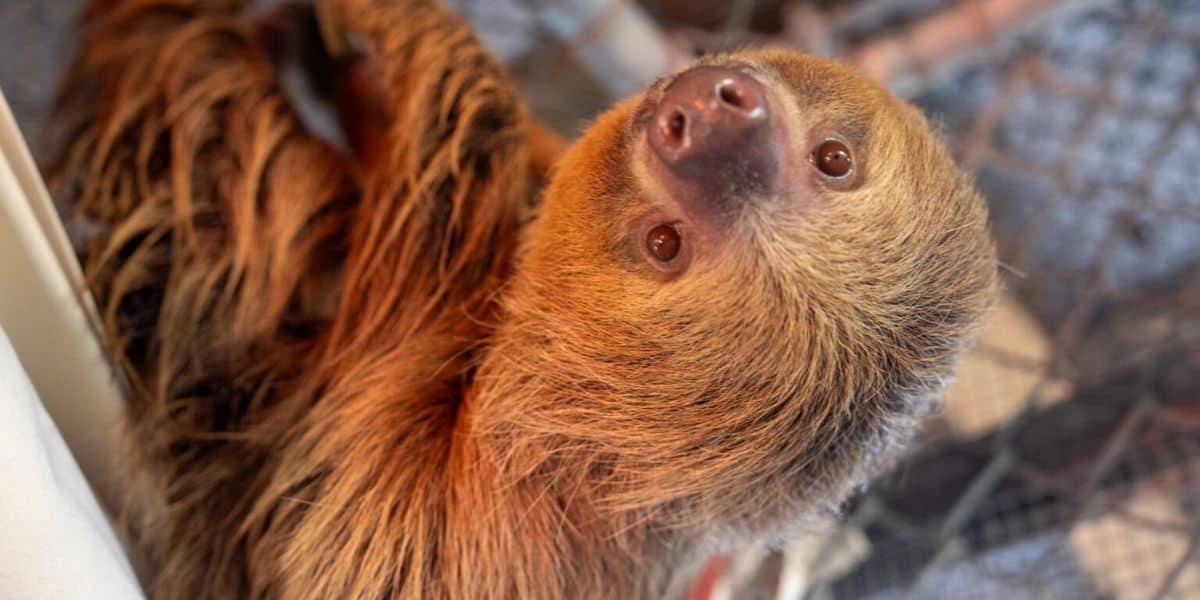
The good news that has emerged more recently has been worth holding onto. Dolce, Chewie, and Phantom were all considered clear of ICU-level care, meaning they had gone approximately a week without requiring consistent medical intervention, a milestone that represented meaningful progress even as the team continued to emphasize that recovery for these animals is a slow and delicate process.
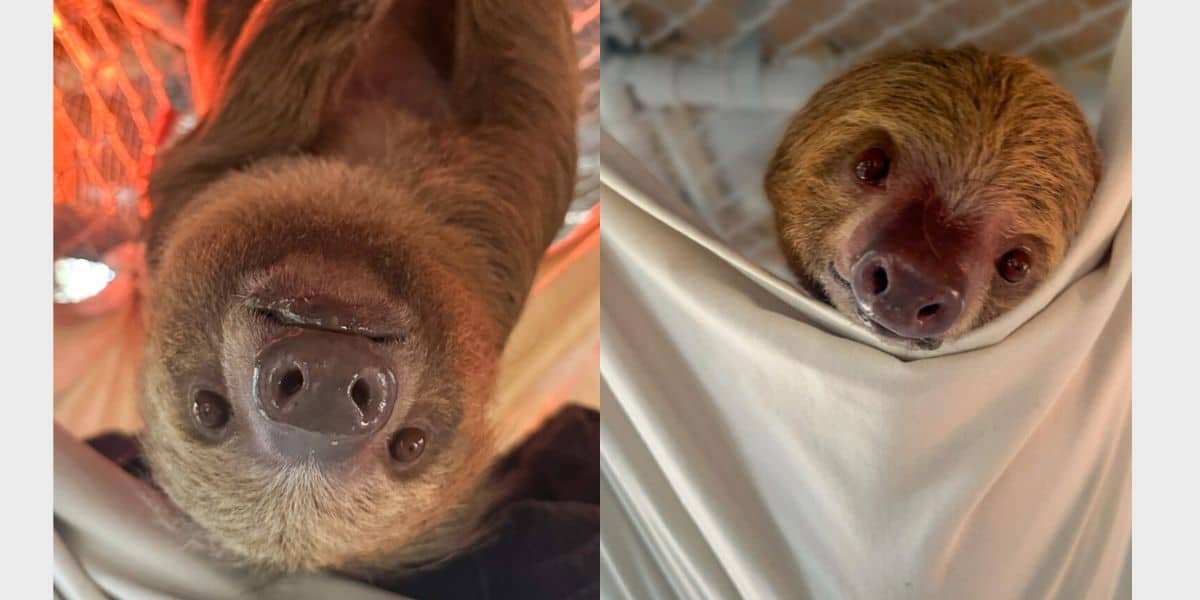
Phantom, whose name came from the distinctive markings on their belly and their tendency to hide in the hammock like the Phantom of the Opera, was the most recent addition to the post-ICU group, joining Dolce and Chewie after a solid weekend of progress. Phantom shares a habitat with Chewie and while initially shy around new people becomes enthusiastic and engaged when food is involved, with yellow squash, zucchini, sweet potatoes, cucumbers, and Mazuri sloth diet among the favorites.
The sloths also recently passed the thirty-day biological quarantine milestone, which changed some of the procedural requirements for the care team.
The booties and full personal protective equipment that had been required for everyone entering the sloth area have been partially dialed back now that the biological quarantine period has concluded, though the animals remain behind the scenes and continue to receive daily care from a small dedicated group of staff in constant contact with specialists from the Association of Zoos and Aquariums.
The quarantine of the sloths from additional stressors continues even without the biological quarantine designation, because introducing new staff members or unnecessary environmental changes could set back the careful recovery progress the team has been building.
The Latest Update and What It Means
The most recent positive development from the Central Florida Zoo involves something that sounds small but represents a meaningful milestone in the recovery process for the sloths who have achieved it. The animal care team has been working on voluntary weight training with the sloths, a process designed to allow the animals to participate in their own care with as little stress as possible, rather than requiring handling for routine monitoring.
The system the team developed is both practical and thoughtful. A custom weigh box was designed by Kayce, the Zoo’s Behavioral Husbandry Coordinator, that allows sloths to be coaxed inside using their favorite foods. Inside the box is a perch where the sloths can hang comfortably in a natural position, while the entire box is attached to a hanging scale similar to the kind used for luggage.
This allows the care team to obtain accurate weight readings without the stress of direct handling, which is particularly important for animals whose recovery is sensitive to environmental and physical stressors.
As of the June 5 update from the Central Florida Zoo, Willow, Mojo Jojo, and Leeloo have all successfully provided weights using the weigh box. The team is continuing to work with the remaining sloths on the voluntary weigh-in process. Each successful weigh-in serves as both a data point for tracking recovery progress and a behavioral milestone reflecting increasing comfort and trust between the animals and their care team.
Weight monitoring is a critical component of tracking how these sloths are recovering from the conditions they arrived in at the end of April. Animals that came in underweight need to demonstrate consistent weight gain over time for recovery to be considered progressing as it should. To do that, monitoring through a voluntary, low-stress mechanism rather than repeated handling is better for both data quality and the animals themselves.
The sloth digestive system operates on a timeline that is slower than most mammals, with the approximately thirty-day fermentation process required to break down the tough plant matter that makes up a sloth’s natural diet meaning that the nutritional impact of the food the care team has been providing since April is likely only now beginning to fully register in the animals’ systems.
Everything sloths do is slow, as the Central Florida Zoo team has noted consistently throughout the recovery updates, and the weight training progress represents patience and careful work from a team that has been committed to giving these animals their best possible chance.
Willow, Mojo Jojo, and Leeloo are stepping on the scale voluntarily. Dolce, Chewie, and Phantom are out of ICU-level care. The nine surviving sloths are receiving daily attention from dedicated staff in collaboration with national sloth care specialists. The road to recovery is slow by the very nature of what sloths are, but the direction the updates are pointing has shifted from loss and crisis toward something that looks increasingly like genuine progress.