35
35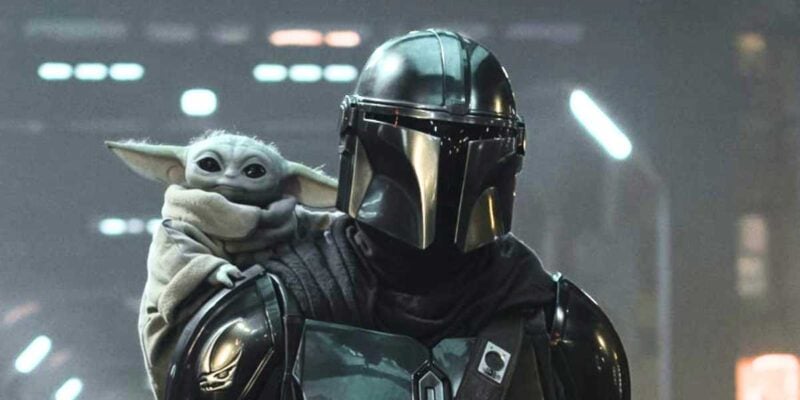
 Credit: Lucasfilm
The galaxy far, far away is currently facing its most devastating theatrical crisis to date. What was envisioned as the triumphant return of the Star Wars franchise to the silver screen has become a commercial catastrophe. Jon Favreau’s The Mandalorian and Grogu, intended to bridge the gap between Disney+ streaming success and blockbuster cinema, has officially entered a historic box office freefall.
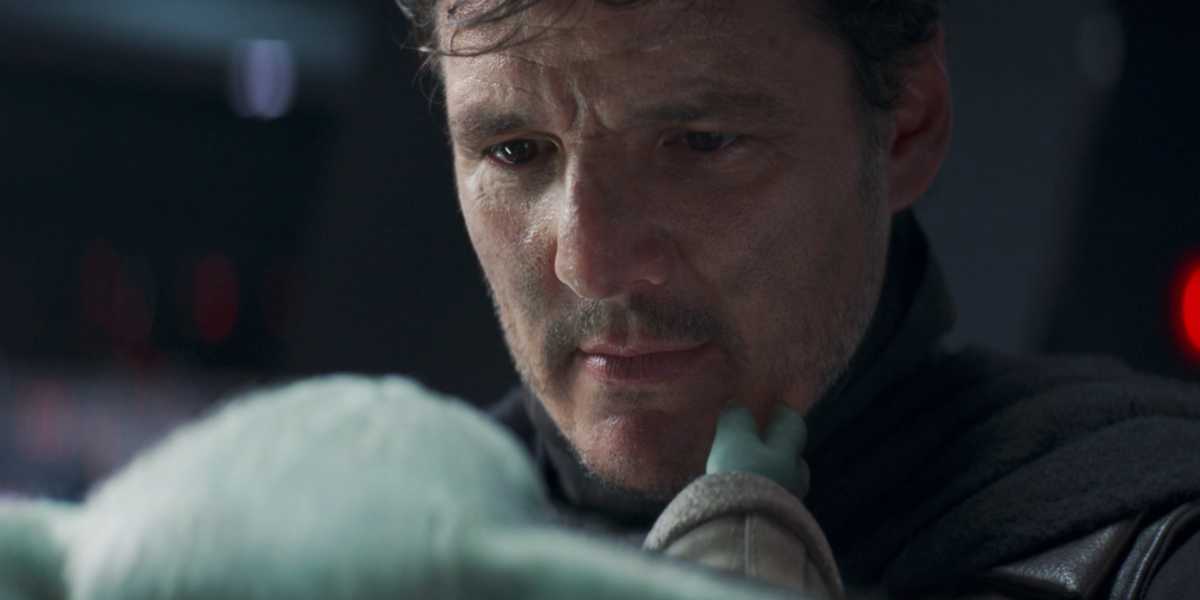
Following a lukewarm opening weekend, the film suffered a catastrophic 72% drop in its second weekend, pulling in a meager $23 million. As fears of a massive, nine-figure loss for The Walt Disney Company solidify, the exhibition industry has reacted with swift, unforgiving brutality.
In an unprecedented move, IMAX has announced it is cutting the film’s originally scheduled three-week exclusive premium run early, officially evicting Mando and his small green companion from premium large-format (PLF) screens to make room for Mattel’s Masters of the Universe on June 5, 2026.
The abrupt removal of a flagship Star Wars film from premium screens highlights a profound shift in theatrical culture. It is stark evidence of the deep structural decay facing one of Hollywood’s most legendary intellectual properties.
The Historic Second-Weekend Freefall: Beaten by Horror Indies
To understand the sheer magnitude of this theatrical collapse, one must examine the baseline numbers. The Mandalorian and Grogu debuted to a modest $80 million domestically—a figure that, while respectable for ordinary blockbusters, marked a historic low for a primary Star Wars theatrical launch. Any hopes that the film would show “legs” through strong word of mouth were instantly dashed as the second-weekend numbers rolled in.
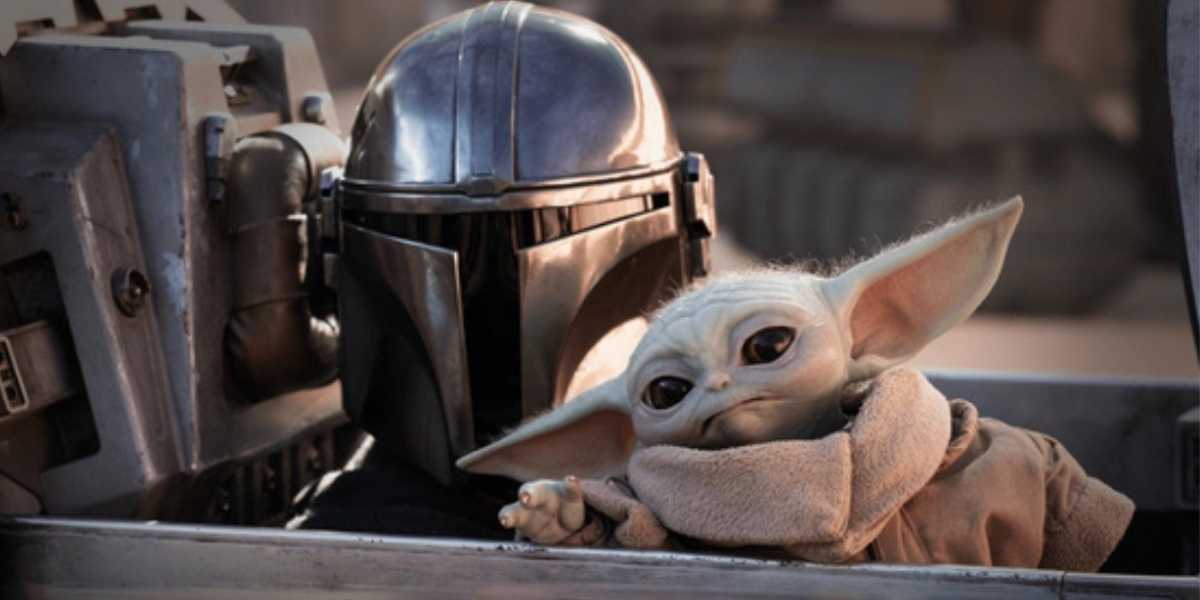
As reported by World of Reel, the movie collapsed to third place in its sophomore weekend, thoroughly humiliated by two genre films. The independent horror phenomenon Backrooms absolutely dominated the box office with a spectacular $90 million haul, while the horror-thriller Obsession easily secured second place with $30 million.
A 72% drop is a terrifying metric for a studio. It indicates a total absence of casual audience interest, leaving only the most hardcore, front-loaded fan base attending opening weekend.
Ten years ago, the idea that two mid-budget horror films could simultaneously dethrone a brand-new Star Wars cinematic release would have been laughed out of any Hollywood boardroom. Today, it is a harsh reality that proves established franchises no longer command automatic theatrical dominance.
One of the Worst-Performing Star Wars Films in History
With a production budget heavily estimated at $165 million—before a massive, global marketing campaign—the break-even threshold for The Mandalorian and Grogu was widely pinned at roughly $400 million. At its current trajectory, industry analysts are openly questioning whether the film will even manage to crawl past $300 million by the end of its global theatrical run.
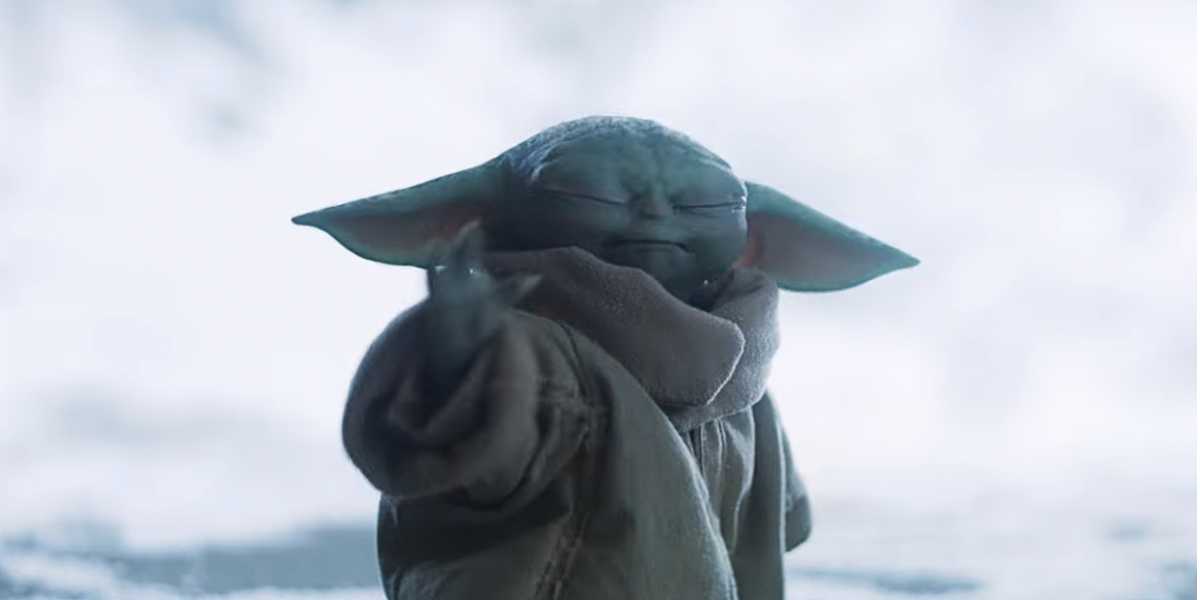
Should the film stall out sub-$300 million, Disney is staring down a net loss that could easily exceed $100 million. This performance firmly cements the movie alongside Solo: A Star Wars Story (2018) as one of the worst-performing, lowest-grossing installments in franchise history.
The collapse indicates a deeper, more permanent problem for Lucasfilm: consumer fatigue and brand indifference. Over the past several years, the Star Wars brand has been heavily diluted by an endless onslaught of Disney+ streaming series, varying wildly in quality.
By the time The Mandalorian and Grogu reached theaters, casual audiences treated it not as a must-see cinematic event, but merely as a glorified, expensive episode of television they could eventually watch at home. The fandom’s active anger from previous years has curdled into a far more dangerous corporate poison: complete indifference.
Inside the IMAX Eviction: Flipping the Script for He-Man
Amusement facilities and theater chains operate under one foundational rule: maximize revenue from every single square foot of real estate. When a movie is underperforming to this degree, premium format exhibitors cannot afford to let massive, high-revenue screens sit half-empty.

According to a report from Pirates & Princesses, IMAX made the calculated business decision to cut short The Mandalorian and Grogu’s three-week run aggressively. Beginning June 5, 2026, premium screens worldwide will fully pivot to Masters of the Universe.
While Masters of the Universe was initially tracking for a conservative $35 million domestic opening weekend, the film’s expensive, beautifully executed marketing push has driven positive momentum. By handing the IMAX keys over to He-Man early, exhibitors are actively betting that a fresh, nostalgic blockbuster will generate higher per-screen averages than a collapsing Star Wars film.
The Secret Corporate War: Disney’s “Infinity Vision” Retaliation
While the free-falling box office numbers provide a clear economic justification for the IMAX swap, industry insiders point out that a secondary, behind-the-scenes corporate feud may have accelerated the eviction.
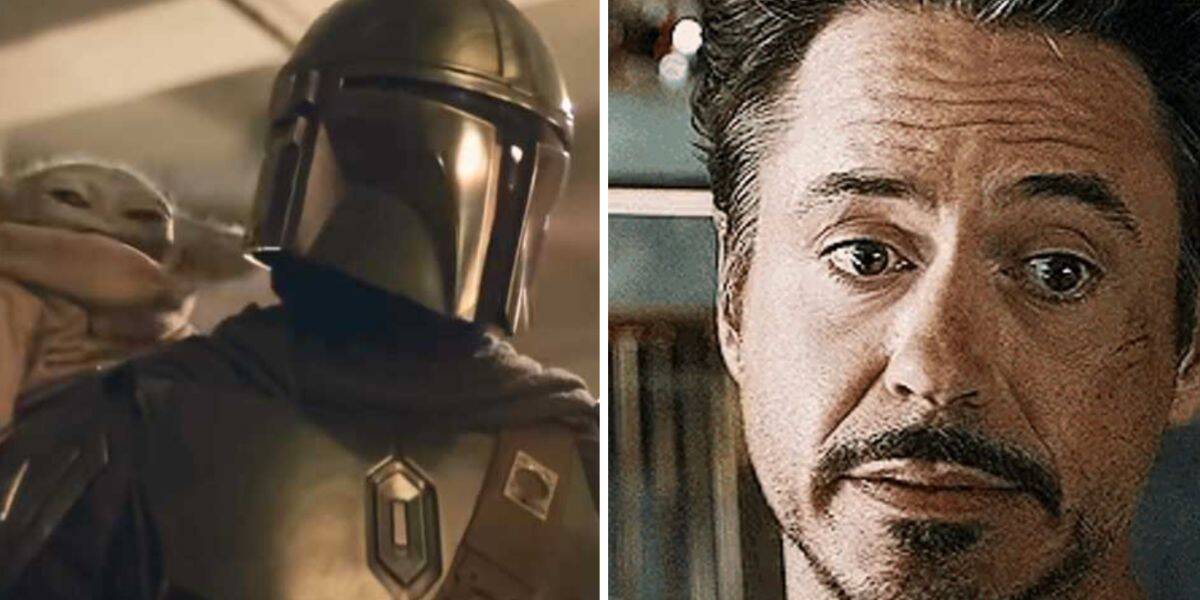
The friction between Disney and IMAX traces back to a major scheduling conflict over Avengers: Doomsday. Because Doomsday was positioned to open directly against Denis Villeneuve’s highly anticipated Dune: Part 3, IMAX chose to honor a pre-existing exclusivity deal with Legendary and Warner Bros., denying Disney the full premium screen real estate for its Marvel flagship.
In what many viewed as a direct corporate retaliation, Disney used CinemaCon to announce its brand-new “Infinity Vision” theater certification. Under this new initiative, Disney bypasses IMAX entirely, certifying independent theater screens that meet a minimum 50-foot width, feature advanced laser projection, and use Dolby 7.1 audio systems. Essentially, Disney created a proprietary, competing premium label to wrest control away from IMAX.

With relationship strains already at an all-time high, IMAX had absolutely zero corporate incentive to do Disney any favors. The moment The Mandalorian and Grogu showed signs of severe financial weakness, IMAX possessed the perfect leverage to pull the plug early, protecting its own bottom line while sending a clear message back to Burbank.
Can the Galaxy Far, Far Away Be Saved?
The theatrical failure of The Mandalorian and Grogu leaves Lucasfilm at a critical crossroads. The strategy of using streaming television to build up a cinematic universe has officially backfired, leaving the brand fractured and historically vulnerable.

Industry veterans note that during the 2024 Cannes Film Festival, franchise creator George Lucas publicly lamented how Disney completely discarded his original outlines and ideas after purchasing Lucasfilm for $4 billion in 2012.
As the current regime struggles to connect with younger generations, a growing faction of the fandom is demanding that Disney bring the mastermind back into the fold, even if only in a consulting capacity, to restore the franchise’s core identity.
As the June 5 transition looms, The Mandalorian and Grogu will lose their most lucrative, high-ticket screens, ensuring their historic box office collapse ends with a whimper rather than a roar. The wheel of progress spins forward, and for the first time in cinematic history, Star Wars has been left entirely in the dust.