Credit: Disney
For over half a century, the Walt Disney World Resort was the ultimate rite of passage for American families. It was the destination where parents saved for years to see their children’s eyes light up at the sight of Cinderella’s Castle. But as we cross into the mid-2020s, that “rite of passage” is becoming an “exclusive privilege.”
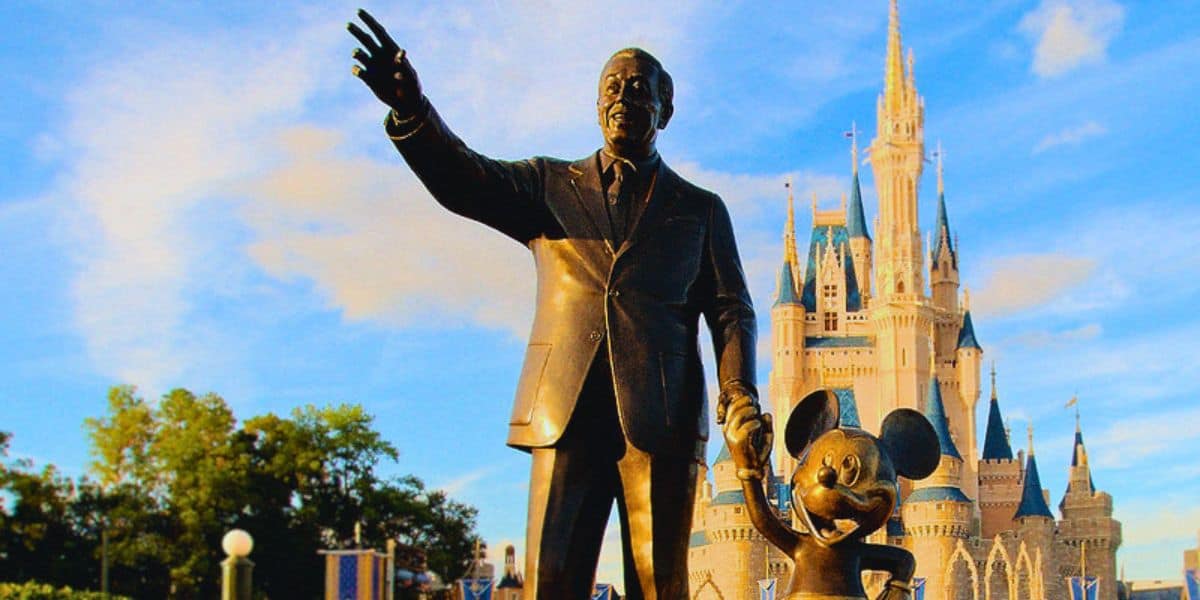
Recent analysis from the LA Times and Deseret News highlights a growing, uncomfortable reality: the “Happiest Place on Earth” is increasingly being redesigned for “Disney Adults”—childless millennials and Gen X-ers with high disposable income—while the families who built the brand are being left at the gates.
The Great Pricing Wall: A Luxury Filter for Families
The most immediate barrier to the traditional family vacation is the staggering cost. As Deseret News recently explored, Disney Parks’ pricing structure has shifted from a standardized admission model to a complex, tiered system of “micro-transactions” that favor those with deep pockets.

In 2026, the base price of a ticket is only the beginning. With the introduction of surge pricing and the “Lightning Lane Premier Pass,” a family of four can easily spend $1,200 in a single day before buying a single churro.
For a childless couple (often referred to as DINKs—Double Income, No Kids), an extra $100 per person to skip the lines is a manageable luxury. For a parent of three, it’s a $500 surcharge that can break the vacation budget.
By commodifying “time,” Disney has effectively created a two-tier system. Families who cannot afford the extra fees are relegated to three-hour standby lines in the Florida heat. For a toddler, a three-hour wait isn’t just a test of patience; it’s a physical and emotional impossibility. The result? Disney Adults, who can navigate the digital apps and pay the premiums with ease, enjoy a streamlined experience, while parents are left managing meltdowns in the “common” lines.
Ride Updates: From “It’s a Small World” to “It’s a Thrill Ride”
The architectural soul of Disney’s parks is also shifting. Historically, Walt Disney’s vision was a place where “parents and children could have fun together.” This meant “omni-mover” dark rides—slow, thematic journeys like Haunted Mansion or Pirates of the Caribbean—without height requirements that appealed to all ages.

However, recent expansions show a distinct pivot toward high-intensity thrills and complex, adult-oriented IP (Intellectual Property). Attractions like TRON Lightcycle / Run, Guardians of the Galaxy: Cosmic Rewind, and Star Wars: Rise of the Resistance are technical marvels, but they are designed with the “Kidult” in mind. These rides feature high height requirements that exclude young children and high-intensity motion that can be difficult for older grandparents.
As the LA Times notes, the focus has shifted from “thematic wonder” to “sensory overload.” When Disney spends billions on a Star Wars land that feels more like a high-end film set than a playground, they are catering to the fan-boy who wants to live out a cinematic fantasy, not the toddler who just wants to hug a giant dog named Pluto.
The Culinary Pivot: Fine Dining and “Drinking Around the World”
Nowhere is the adult-first strategy more apparent than in Disney’s evolution of its food and beverage offerings. EPCOT, once a beacon of “edutainment,” has effectively become a year-round rotating festival of food and alcohol. The “Drinking Around the World” culture—where guests attempt to have an alcoholic beverage in every country of the World Showcase—has become a cornerstone of the Disney Adult experience.

While this is a goldmine for Disney’s profit margins, it changes the park’s atmosphere. What was once a serene stroll through world cultures can now feel like a bustling gastropub. High-end dining “experiences” that cost $150 per person are replacing the simple, affordable counter-service locations that families rely on.
When a “character breakfast” (one of the few ways children can interact with their heroes without a 90-minute wait) becomes priced like a Michelin-star meal, the message to families is clear: your presence is welcomed, but only if you have an adult-sized bank account.
The Nostalgia Economy: Why Disney Chose the “Kidult”
The reason for this shift is purely mathematical. Data from the last five years shows that Disney Adults are the most resilient consumers in the Disney ecosystem. Unlike families, they aren’t tied to school calendars, meaning they fill the parks during “slow” months. They are more likely to stay in “Deluxe” resorts, book expensive “After Hours” events, and purchase high-end collectibles, such as $250 lightsabers.
Disney has realized that one childless couple spending $5,000 over a long weekend is more profitable—and causes less “wear and tear” on the park—than a family of five trying to squeeze every ounce of value out of a $5,000 week-long stay. The parks are being optimized for the “Nostalgia Economy,” selling adults the feeling of being a child again, but at a price point that actual children’s parents can no longer afford.
The Long-Term Risk: Losing the Next Generation
The danger in this strategy, as both the LA Times and Deseret News warn, is the “erasure of the future fan.” Disney’s success has always been built on a multi-generational cycle. Today’s Disney Adult is only a fan because their parents took them to the parks thirty years ago.

If today’s middle-class families are priced out, that cycle breaks. If a child’s only memory of Disney is “we couldn’t afford to go,” they will not grow up to be the high-spending Disney Adult of 2050. By prioritizing the immediate, high-margin revenue of the “Kidult” demographic, Disney may be cannibalizing its own future.
Conclusion: A Kingdom Divided
The Walt Disney Company is a corporate giant with a responsibility to shareholders, and the “Disney Adult” is undeniably their most profitable customer. But the “Magic” was never supposed to be a luxury good.

As the parks become increasingly crowded with cocktail-sipping millennials and high-tech thrill-seekers, the simple, accessible joy of a family vacation is fading.
Unless Disney finds a way to re-center the child in their business model—through more family-friendly ride designs, affordable dining options, and a simplified pricing structure—the Magic Kingdom risks becoming nothing more than a high-priced theme park for adults, where the only thing “small” is the chance for a middle-class child to get through the front gate.