34
34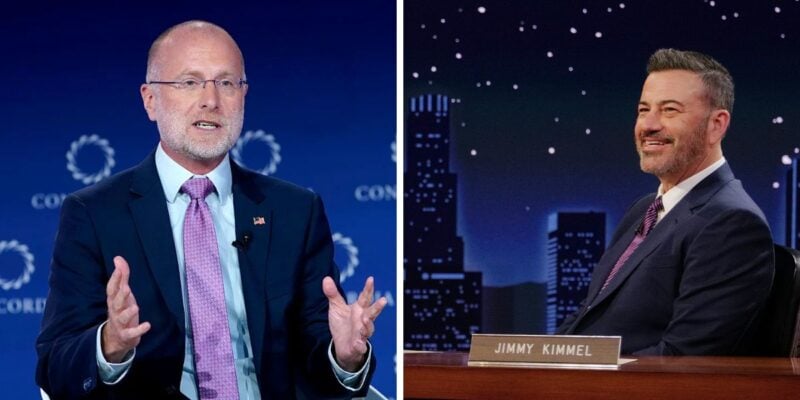
 Credit: Video Screenshot, FCC Open Meeting/ABC Promotional Image
In the nearly 100-year history of The Walt Disney Company, the Burbank-based giant has faced down corporate raiders, global pandemics, and hostile takeovers. But as of April 30, 2026, Disney is preparing for its most existential fight yet: a direct constitutional showdown with the Trump Administration.
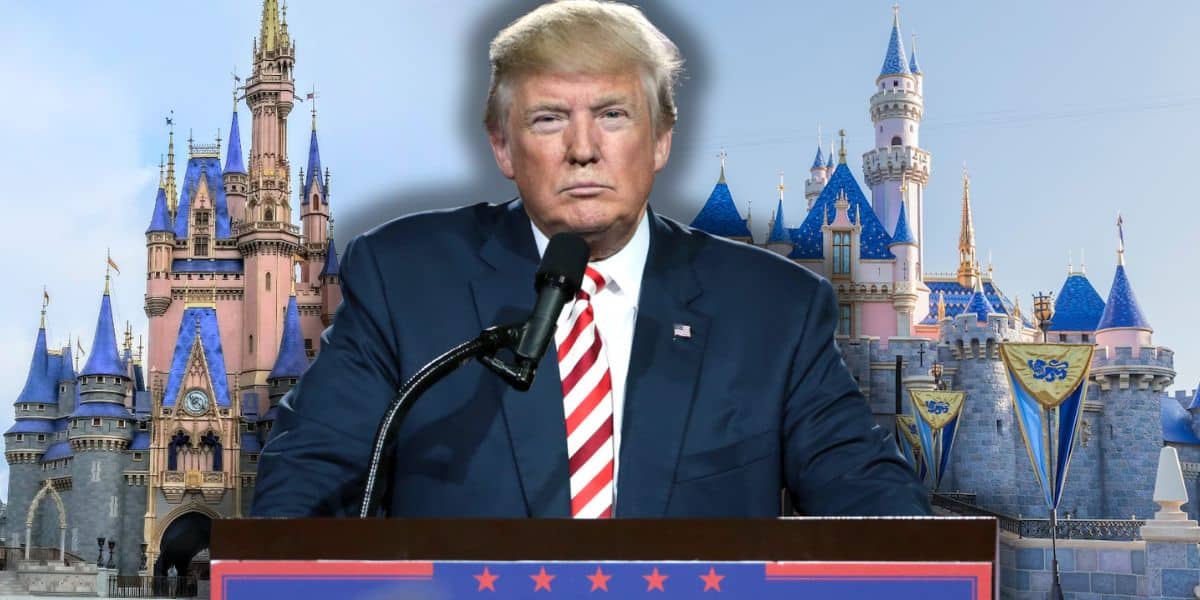
According to a high-stakes report from The New York Times DealBook, Disney has officially “lawyered up,” assembling a legal dream team to combat an unprecedented challenge from the Federal Communications Commission (FCC) to ABC’s broadcast licenses. The move comes after days of escalating rhetoric from the White House, where President Donald Trump has demanded the immediate termination of late-night host Jimmy Kimmel.
Under the leadership of newly minted CEO Josh D’Amaro, Disney isn’t just defending a comedian; it is fighting to prevent the government from using the “public interest” standard as a weapon for political censorship.
The Spark: A Joke, a Shooting, and an Ultimatum
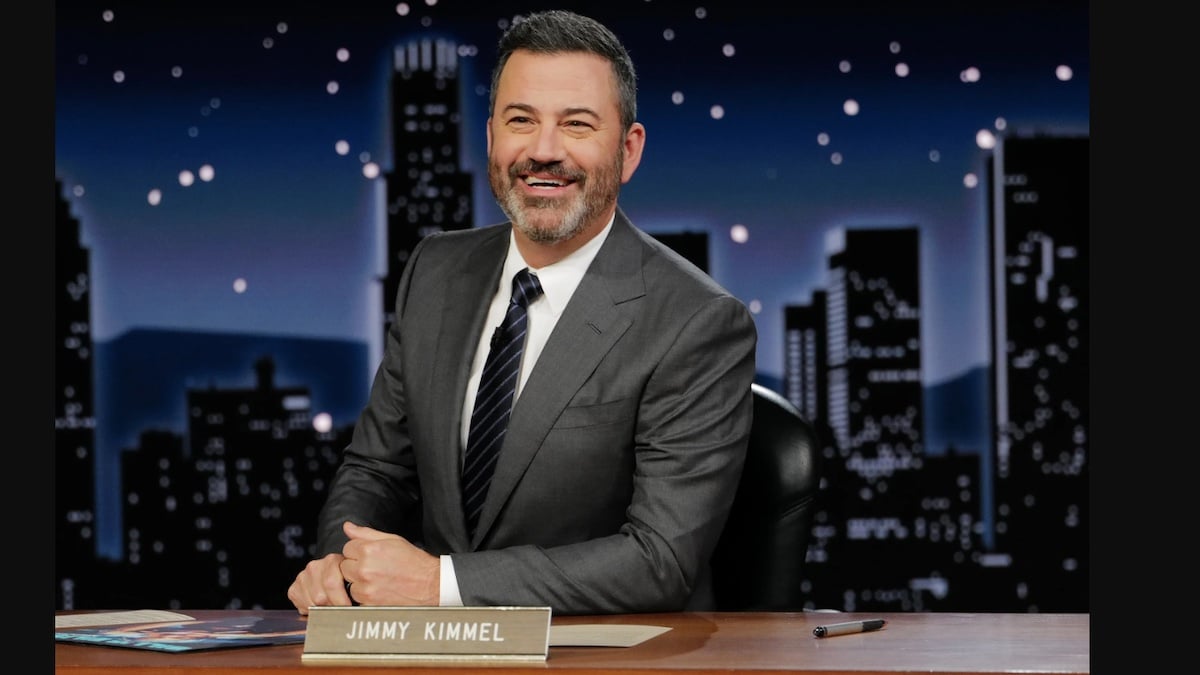
The current crisis traces back to the April 23, 2026, episode of Jimmy Kimmel Live!. During a parody monologue of the White House Correspondents’ Dinner (WHCD), Kimmel delivered a sharp jab at the First Lady, stating, “Mrs. Trump, you have a glow like an expectant widow.”
While the remark followed Kimmel’s usual brand of acerbic political satire, its context shifted violently less than 48 hours later. On Saturday, April 25, a gunman identified as Cole Tomas Allen attempted to breach security at the actual WHCD, discharging a weapon and wounding a Secret Service agent.
In the fallout, the Trump Administration reframed Kimmel’s joke as “incitement.” Melania Trump took to X (formerly Twitter) to label Kimmel a “coward.” At the same time, the President used Truth Social to issue a direct command to Disney: “Disney and ABC should immediately fire Jimmy Kimmel.”
The FCC Escalation: Targeting the License
When Disney and ABC failed to terminate Kimmel immediately, the administration pivoted from public pressure to regulatory warfare. FCC Chairman Brendan Carr, a staunch ally of the President, signaled that the agency would review ABC’s broadcast licenses based on “public interest” violations.
The FCC holds the power to grant and renew the licenses that allow networks like ABC to use the public airwaves. Traditionally, these renewals are routine unless a station has committed severe technical violations or broadcast obscenity. However, the Trump Administration is arguing that broadcasting “violent rhetoric” against a sitting President’s family violates the “public interest” and “necessity” standards that govern the airwaves.
If the FCC were to revoke or refuse to renew ABC’s licenses successfully, it would effectively “go dark,” costing Disney billions in revenue and shattering the foundational structure of American broadcast television.
Disney’s Counter-Strike: The Legal Dream Team
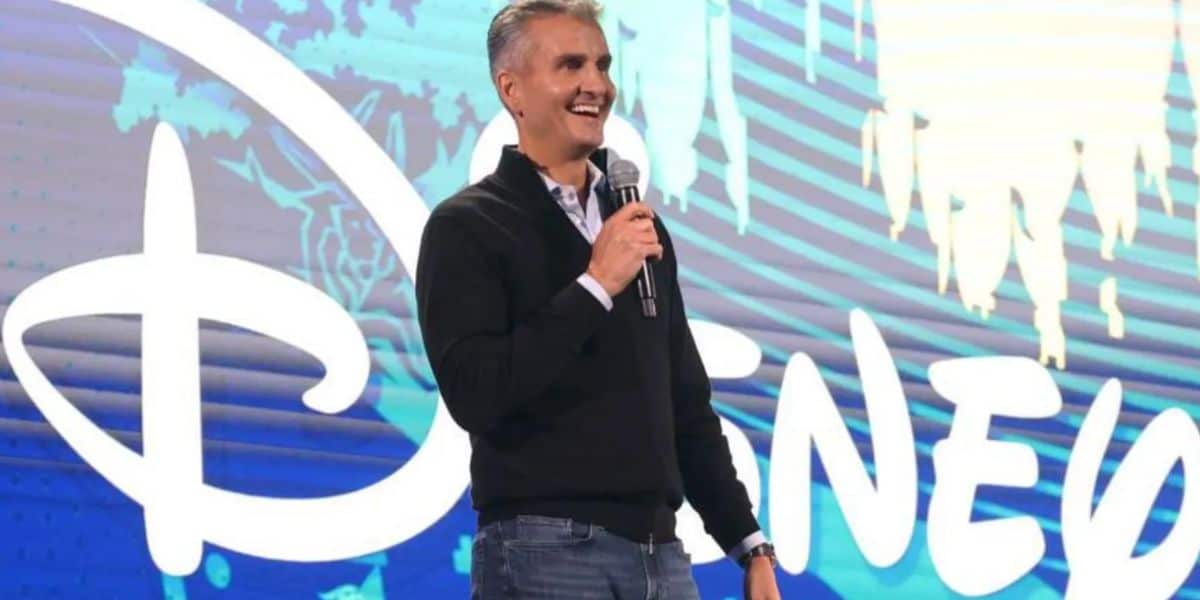
Disney CEO Josh D’Amaro—who assumed the role just last month in March 2026—is reportedly refusing to blink. According to DealBook, Disney has retained a powerhouse roster of constitutional and regulatory attorneys, including veteran litigators from firms like WilmerHale and Quinn Emanuel.
Disney’s legal strategy is expected to focus on three primary pillars:
1. The First Amendment Shield
The most potent weapon in Disney’s arsenal is the First Amendment. Courts have historically set an incredibly high bar for what constitutes “incitement.” Disney’s lawyers will argue that Kimmel’s “expectant widow” joke, while perhaps in poor taste to some, is protected political speech. They will contend that the government cannot revoke a license simply because the President finds a joke offensive or “corrosive.”
2. Precedent and Administrative Overreach
Disney is prepared to argue that the FCC is engaging in “arbitrary and capricious” behavior. Revoking a license over a late-night joke would be a radical departure from nearly a century of FCC precedent. Legal experts suggest Disney will argue that the FCC is being used as a tool of political retaliation, thereby violating the Administrative Procedure Act.
3. The $15 Million Settlement Factor
Lawyers may also point to the December 2024 settlement, in which ABC/Disney paid $15 million to resolve a defamation dispute with Trump. Disney’s team plans to argue that the company has already demonstrated a willingness to settle legitimate legal grievances, but that the current license challenge is an unconstitutional move to force editorial control over the network.
Josh D’Amaro’s Trial by Fire
For Josh D’Amaro, this is a defining moment. Known for his “people-first” leadership and a focus on “pure entertainment” at Disney Parks, he is now the commander-in-chief of a media war.
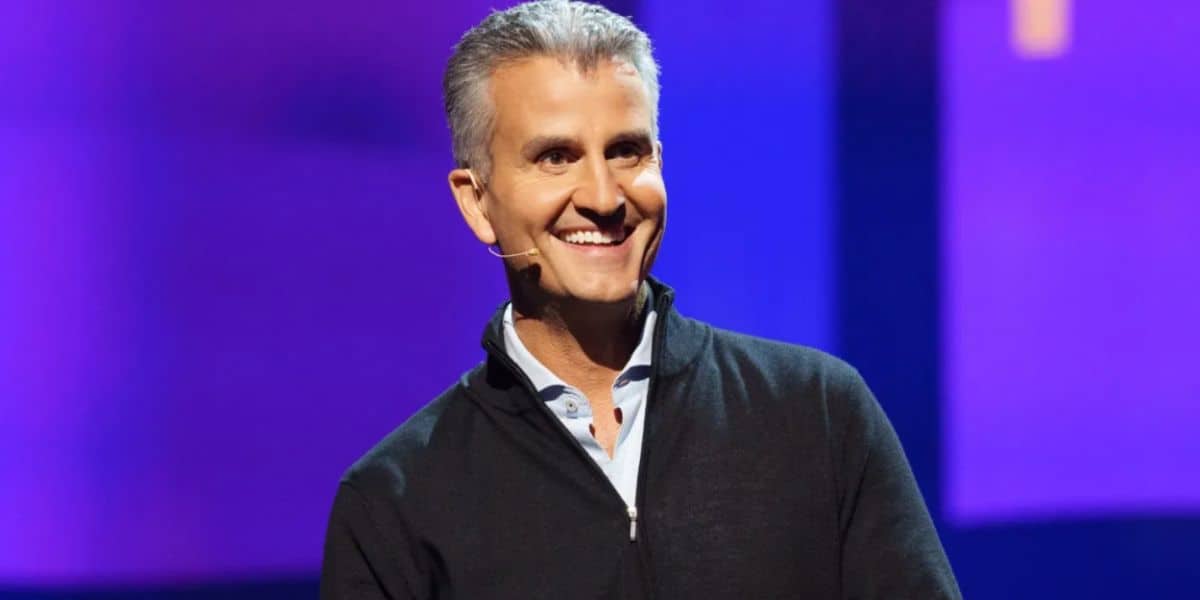
Insiders suggest that D’Amaro is keenly aware that the outcome of this battle will set the tone for Disney’s future. If he gives in and fires Kimmel, he risks alienating the creative community and the “talent” that Disney relies on for its content. If he stands his ground and loses ABC’s license, he faces a shareholder revolt.
By “lawyering up” and taking the fight to the courts, D’Amaro is signaling that Disney will not be bullied into submission. He is positioning the company as a defender of the free press—a move that carries high risk but high moral authority in the eyes of many media observers.
The Broader Impact on Late-Night Television
The Disney-Trump war has sent a chill through the halls of late-night television. If ABC’s license is successfully challenged, every other broadcaster—including NBC (Comcast) and CBS (Paramount)—will be on notice. The “Kimmel Precedent” would essentially give any sitting administration the power to “veto” comedians and news anchors they find distasteful.
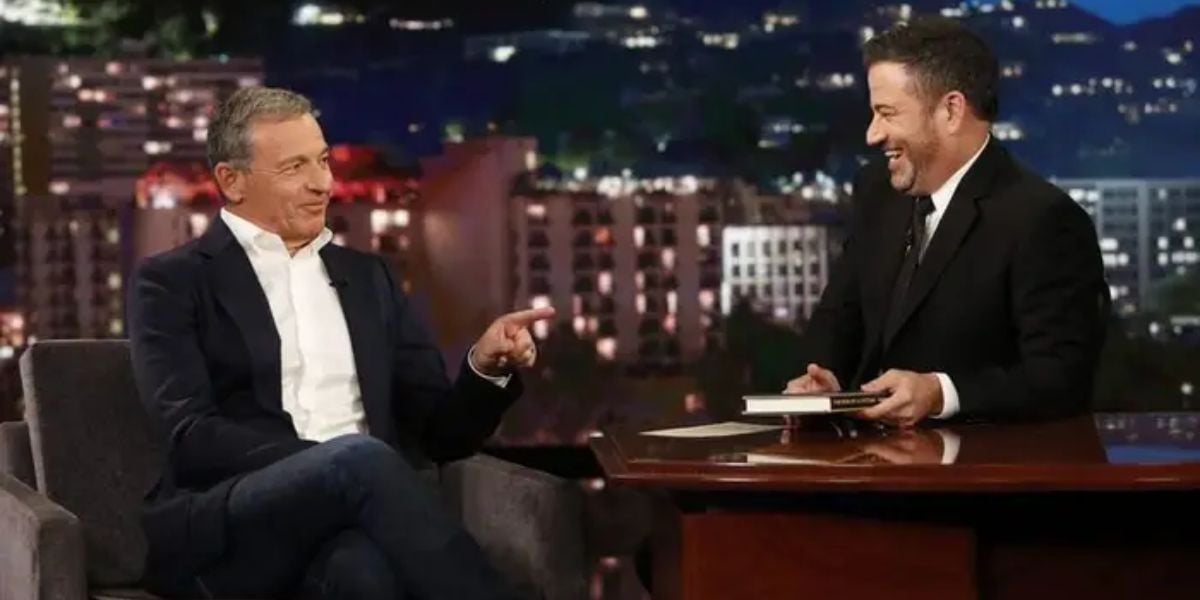
“This isn’t just about a joke anymore,” says one media analyst. “This is about whether the government can seize control of the airwaves to punish its critics. If Disney loses, the era of independent late-night satire is over.”
Conclusion: A Courtroom Showdown Looms
As of April 30, 2026, the lines are drawn. The FCC has officially opened an inquiry, and Disney has filed its first round of protective motions in federal court.

President Trump remains defiant, stating that “The Mouse has lost its way.” Meanwhile, Disney’s legal team is hunkered down in Burbank and D.C., preparing for a battle that will likely reach the Supreme Court.
In the world of Disney, there are always heroes and villains. In this story, the roles depend entirely on your political perspective. But for the legal world, the case of The United States vs. ABC will be the most significant First Amendment case of the 21st century.
Will Disney’s legal shield hold, or will ABC be forced off the air? Stay tuned for more updates on this developing constitutional crisis.