Credit: Universal Orlando Resort
 Tragedy strikes Universal Orlando Resort after a death is officially reported, along with several injuries at the theme parks, including that of Epic Universe.
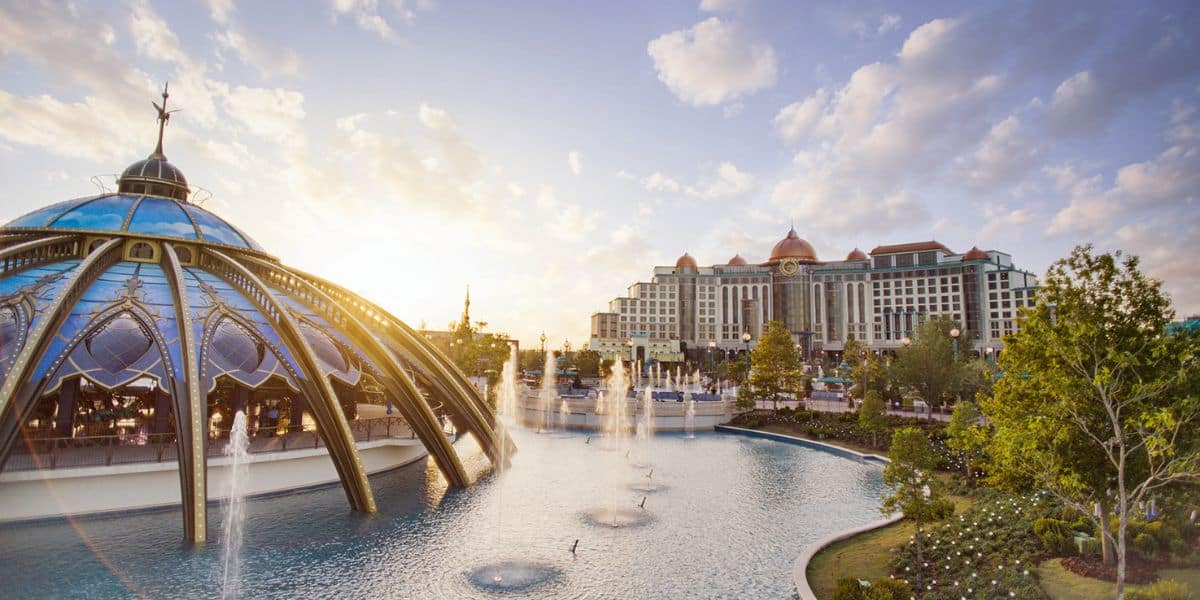
What Led to the Shocking, Tragic Death at Universal Orlando Resort?
For many theme park fans, stepping into a park is about escape—leaving behind the real world for something immersive, thrilling, and safe. Whether it’s a first-time visit or a long-awaited return, guests trust that every ride, show, and experience has been carefully designed with their well-being in mind.
But every so often, new information surfaces that causes even the most devoted fans to pause. Not out of fear—but out of curiosity. A need to understand what’s happening behind the scenes, and whether the magic they rely on is shifting in subtle ways.
Fans are noticing… and conversations are growing louder.
A New Quarterly Report Is Raising Eyebrows—What Are Fans Seeing?
A recently released report from the Florida Department of Agriculture and Consumer Services has sparked renewed discussion among theme park enthusiasts. The quarterly data outlines incidents that required at least 24 hours of hospitalization, offering a rare glimpse into what happens when things don’t go as planned.
Across six theme parks and one water park, 12 incidents were reported in the first three months of 2026. While that number alone may not seem alarming given the millions of annual visitors, fans are paying attention to patterns—and one in particular is standing out.
Guests are already reacting, especially online, where discussions are beginning to dissect what these numbers might mean.
One Attraction Is Standing Out—Why Are Guests Talking About It?
Among all reported incidents, one ride has emerged as a surprising focal point: the Hogwarts Express at Universal Orlando Resort.
The immersive train experience, which connects two lands within The Wizarding World of Harry Potter, recorded three separate incidents in the first quarter alone. A seizure, followed by two cases involving chest pressure—both tied to guests with pre-existing conditions—have placed the attraction under an unexpected spotlight.
A surprising change in the report reveals that this single ride had more reported incidents than all of Universal’s roller coasters combined during the same period.
For fans, that contrast is difficult to ignore. Not because the ride is perceived as dangerous—but because it challenges expectations.
High-Thrill Attractions Still Appear—But Not as Expected?
Interestingly, some of the most intense attractions in the parks also appeared in the report—but less frequently than some might assume.
A guest reported stroke-like symptoms after riding Jurassic World VelociCoaster, while another experienced similar symptoms following Donkey Kong Mine Cart Madness at Epic Universe.
Other incidents included a fainting episode on Fast & Furious — Supercharged, as well as symptoms reported after Race Through New York Starring Jimmy Fallon.
Even Volcano Bay saw a report involving a young guest experiencing leg swelling.
Fans are noticing that these incidents span a wide range of ride types—from high-speed coasters to slower, story-driven attractions—raising broader questions about how different experiences affect different guests.
A Past Tragedy Still Echoes—Why Is It Back in the Conversation?
Adding emotional weight to the discussion is the resurfacing of details surrounding the tragic death of Kevin Rodriguez Zavala, a 32-year-old theme park fan whose case drew widespread attention in 2025.
Recently released body camera footage has reignited conversations, showing the aftermath of the incident in stark detail. Investigators ultimately ruled the death accidental, citing multiple blunt force injuries, while also confirming that park employees followed proper procedures.
Still, for many fans, the emotional impact lingers.
The story has become part of a larger conversation—not about fear, but about understanding the balance between thrill, accessibility, and individual health conditions.
What Do These Reports Really Mean for Guests?
It’s important to understand the context behind these reports. Florida theme parks are required to self-report incidents involving hospitalization, but the state does not track outcomes beyond the initial report.
Many of the cases involve guests with pre-existing medical conditions, which plays a significant role in how these situations unfold. That nuance is critical—and often overlooked in online discussions.
At the same time, guests are already reacting by becoming more aware of ride warnings, accessibility guidelines, and their own physical limitations.
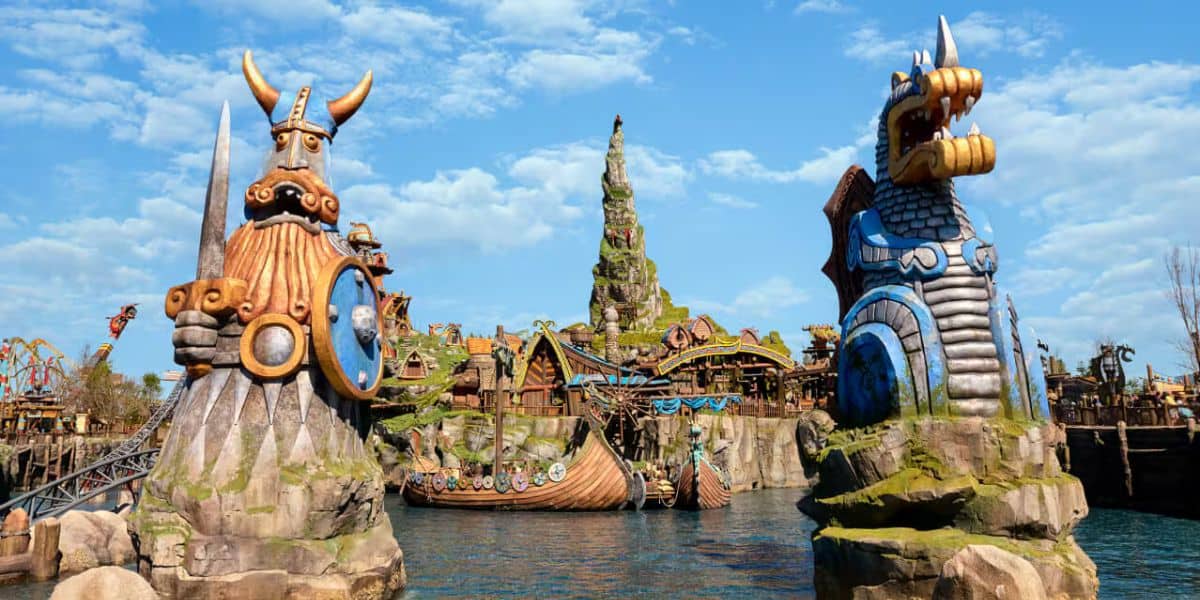
In response to past incidents, safety and accessibility language has been updated across several attractions, particularly at newer parks like Epic Universe. These updates are designed to better inform guests before they board.

What This Could Mean for the Future of Theme Park Experiences
Theme parks remain among the safest large-scale entertainment environments in the world, and Universal Orlando Resort continues to maintain a strong safety record.
But fans are paying closer attention than ever.
A surprising shift isn’t necessarily in safety itself—but in awareness. Guests are more informed, more engaged, and more willing to ask questions about how experiences are designed for a wide range of visitors.
Looking ahead, this could lead to even clearer communication, enhanced accessibility measures, and a deeper focus on individualized guest safety.
Because at the heart of it all, the goal hasn’t changed: to create unforgettable experiences—while ensuring every guest feels secure enough to enjoy them.