 Credit: Inside the Magic
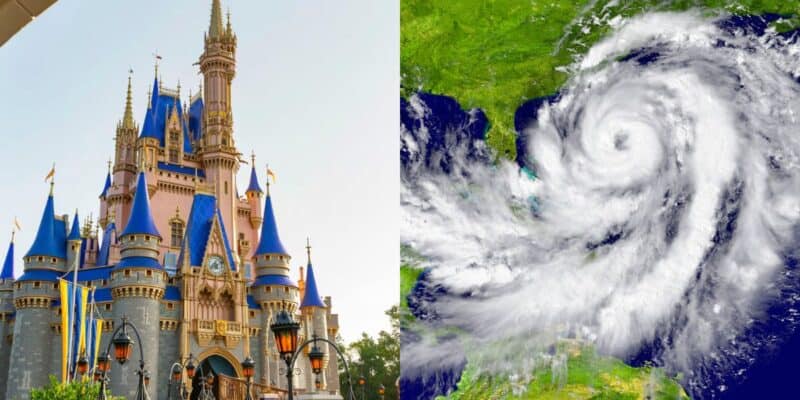
It’s starting to feel like summer is right around the corner, and with it comes something that Disney World fans don’t always think about right away—but probably should. Hurricane season has a way of sneaking up quietly. One day, you’re planning park days, dining reservations, and Lightning Lane strategies, and the next, weather reports start to shift the conversation entirely.
Lately, there’s been a noticeable change in tone among travelers heading to Central Florida. People are still booking trips, still getting excited, but a layer of hesitation is building beneath it all. Recent reporting has started to raise some eyebrows, and suddenly, the idea of a “perfect” Disney vacation doesn’t feel quite as guaranteed as it once did.
No one’s hitting the panic button just yet. But if you’ve been paying attention, you can tell something is making Disney fans pause—and it all ties back to what could be on the horizon.

Florida Weather Has Always Played by Its Own Rules
Anyone who has spent time in Florida knows one thing: the weather doesn’t follow a script. You can start your morning in bright sunshine, only to find yourself sprinting for cover during a sudden downpour by mid-afternoon. It’s unpredictable, fast-changing, and sometimes downright confusing.
That’s part of what makes this situation feel so uneasy. On one hand, forecasts can give us a general idea of what to expect. On the other hand, Florida has a long history of doing exactly what it wants anyway. And that raises a bigger question—what’s actually more concerning?
Is it the possibility that these predictions come true and storms impact travel in a meaningful way? Or is it the idea that the weather could ignore those predictions entirely and throw something even more unexpected into the mix?
That uncertainty is what makes planning a summer trip to Disney World a little more complicated this year. It’s not just about what’s expected—it’s about what might happen even if expectations are off.
A “Quieter” Forecast Doesn’t Mean a Calm Season
Looking back, last year’s hurricane season in Florida was surprisingly calm. Not a single named storm made landfall in the state, giving travelers and locals a rare break from what can often be a stressful time of year.
But 2026 may not follow that same pattern.
Forecasters from Colorado State University released their outlook for the upcoming Atlantic hurricane season on April 9. While they’re calling for slightly below-average activity, that doesn’t mean Florida is in the clear. In fact, the margin between “below average” and “active” is small enough that even a few key storms could make a big impact.
There’s also an important detail that keeps coming up in these forecasts: uncertainty. Multiple factors influence weather patterns, and even the most advanced predictions can shift as the season gets closer.
Here’s what the early projections are suggesting:
- 13 named storms (average: 14)
- 6 hurricanes (average: 7)
- 2 major hurricanes (average: 3)
At first glance, those numbers might not seem alarming. But it only takes one storm in the wrong place at the wrong time to disrupt travel plans in a major way.

Why Storm Development Still Has Experts Watching Closely
Even with a slightly lower number of predicted storms, there’s still concern about how intense those storms could become—and where they might go.
Researchers are closely monitoring the likelihood of at least one major hurricane, classified as Category 3 or higher, making landfall. That’s where the real risk begins to increase, especially in coastal areas and regions like Central Florida, which can feel the ripple effects even if they’re not directly hit.
One of the biggest influences on this year’s forecast is the potential presence of El Niño. When this pattern develops, it typically brings warmer waters in the Pacific Ocean, which can interfere with storm formation in the Atlantic.
Those upper-level winds created during El Niño can actually tear apart developing storms before they fully strengthen. That’s part of the reason forecasters are leaning toward a slightly quieter season.
But there’s another side to that pattern. El Niño can also lead to wetter conditions across parts of the Southeast, including Florida, increasing the risk of heavy rainfall and flooding—even outside of major hurricanes. So while it might limit the number of storms, it doesn’t completely remove the threat.
In other words, even a “milder” hurricane season can still bring real challenges.

What This Could Mean for Disney World in 2026
Hurricane season officially runs from June 1 through November 30, which covers a huge portion of Disney World’s busiest travel periods. Summer vacations, fall breaks, and even early holiday trips all fall within that window.
And while not every storm leads to closures or major disruptions, it doesn’t take much to impact a Disney trip.
Even tropical storms can bring heavy rain, strong winds, and temporary ride closures. Outdoor attractions are often the first to shut down when the weather rolls in, and lightning in the area can pause operations across multiple parks.
There’s also the bigger concern—what happens if one of those predicted major hurricanes actually makes landfall?
Disney World has dealt with significant storms before. In 2024, Hurricane Milton forced the resort to close for a day after early closures the previous afternoon, something that doesn’t happen often. The financial impact alone was reported to be well over $100 million, not to mention the disruption for thousands of guests.
Moments like that are rare, but they’re not impossible. And with at least two major hurricanes predicted this season, it’s enough to make travelers think twice about how they plan their trips.

Disney’s Approach to Storm Safety Has Always Been Clear
If there’s one thing Disney World does consistently well, it’s putting safety first. The parks are designed to handle Florida weather, but they don’t take risks when conditions become unsafe.
Even during a typical afternoon thunderstorm, you’ll see attractions pause operations, especially outdoor rides or those that involve height. Parades get delayed, shows get adjusted, and cast members work quickly to guide guests to safer areas.
When more serious weather approaches, Disney ramps up those protocols even further. That can include early park closures, transportation adjustments, and detailed communication with guests staying on property.
While that can disrupt plans, it’s also reassuring. Disney has years of experience dealing with storms, and their systems are built to respond quickly when conditions change.
Staying Prepared Without Letting It Ruin Your Trip
At the end of the day, planning a Disney World vacation during hurricane season doesn’t mean you’re setting yourself up for a bad experience. Millions of guests visit every year without ever encountering major issues.
But it does mean staying aware.
Keep an eye on weather forecasts as your trip approaches. Build some flexibility into your plans if you can. And don’t hesitate to ask cast members for help if conditions change—they’re trained to guide guests through situations like this.
Most importantly, prioritize safety. If weather conditions shift, it’s okay to adjust your expectations and go with the flow.
Hurricane season may be creeping closer, and yes, the latest outlook has people talking. But with the right preparation and a little flexibility, a Disney trip can still be everything you hoped for—just with a closer eye on the sky.