1
1
 Credit: Sony Pictures/Marvel Studios
A new chapter for Spider-Man is unfolding—but not just on the big screen. Behind the scenes, the character’s cinematic legacy is shifting in ways that extend far beyond upcoming releases, reaching directly into how fans revisit the web-slinger’s past.
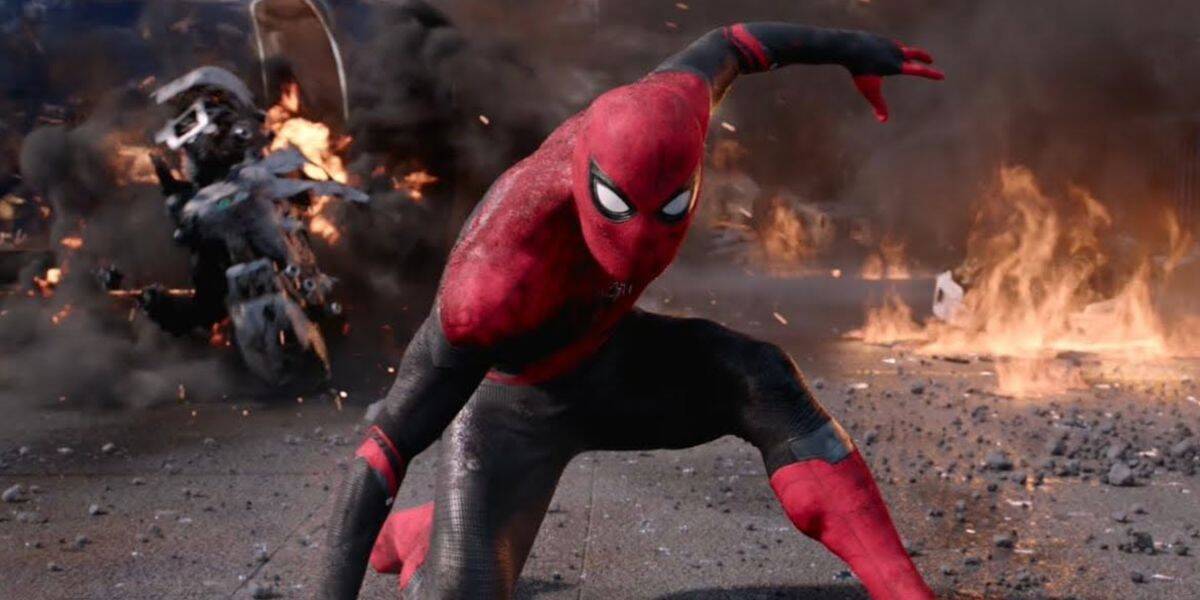
For a franchise that has thrived on reinvention, accessibility has always been key. Generations of fans have discovered Peter Parker through different eras—whether it was the early 2000s trilogy, the rebooted Amazing series, or the Marvel Cinematic Universe’s modern interpretation. But as studio strategies evolve, so too do the places—and the ways—those stories can be watched.
This latest development arrives during a period of significant transition for Spider-Man across the board. The character stands at a crossroads, shaped by shifting partnerships, creative resets, and a broader rethinking of superhero storytelling. While much of the attention has been focused on what comes next, the availability of what came before is quietly undergoing its own transformation.

A Franchise in Flux
Spider-Man’s cinematic journey has always been uniquely complex, largely due to the shared custody between Sony Pictures and Marvel Studios. What began as a groundbreaking collaboration ultimately introduced a version of the character who could exist within the Marvel Cinematic Universe while still anchoring Sony’s standalone ambitions. Now, that balance appears to be shifting.
With Marvel Studios recalibrating its approach following a mixed reception to recent phases, the franchise is entering what many see as a soft reset. Upcoming projects are being positioned as a new beginning, designed to streamline storytelling and reconnect with audiences. Spider-Man, once deeply embedded in the MCU’s interconnected web, is also evolving within that framework.
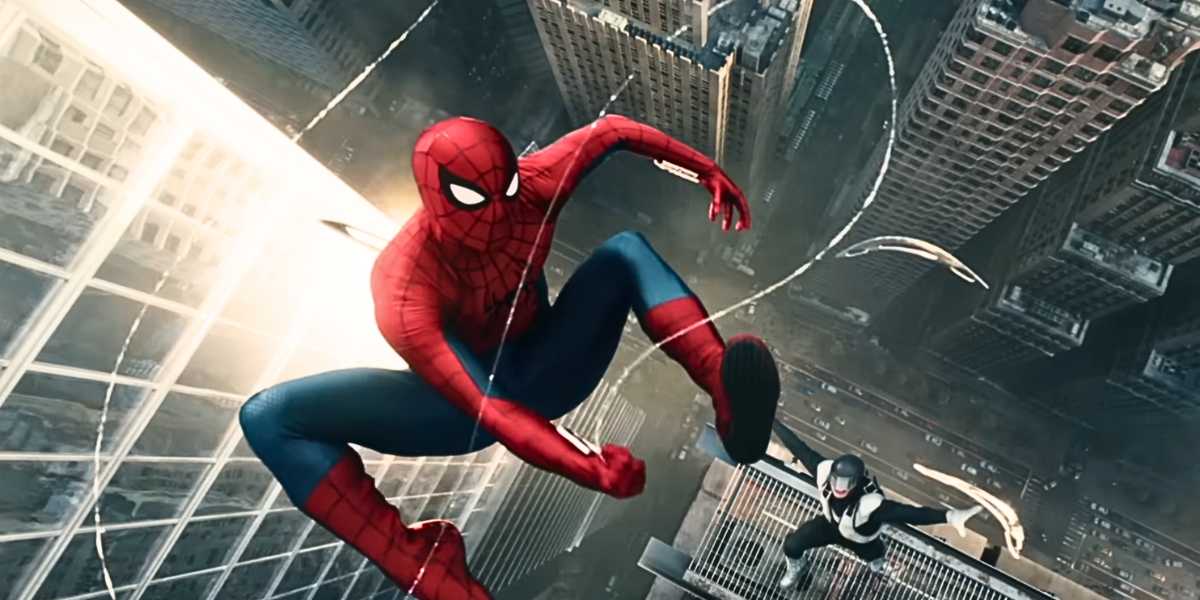
The next installment, Spider-Man: Brand New Day (2026), is expected to reflect that shift in a major way. Set years after the events of Spider-Man: No Way Home (2021), the story follows a Peter Parker who has been erased from public memory—effectively stripping him of the relationships and support systems that once defined him.
It’s a bold, creative direction, one that mirrors the broader sense of detachment currently surrounding the franchise. And in a way, that same theme is playing out in the streaming world.
Spider-Man on Streaming
Earlier this year, March 1 marked a notable moment for Spider-Man fans. Several legacy films made their debut on HBO Max, offering audiences a renewed opportunity to revisit earlier iterations of the character. From the original trilogy to the Amazing series, the lineup provided a comprehensive look at Spider-Man’s cinematic evolution.
What made the move particularly interesting was its overlap with existing agreements. Even as these films arrived on HBO Max, they remained available on Disney+, creating a period of cross-platform accessibility. For fans, it was a win, multiple entry points to explore different versions of Peter Parker without being locked into a single service.
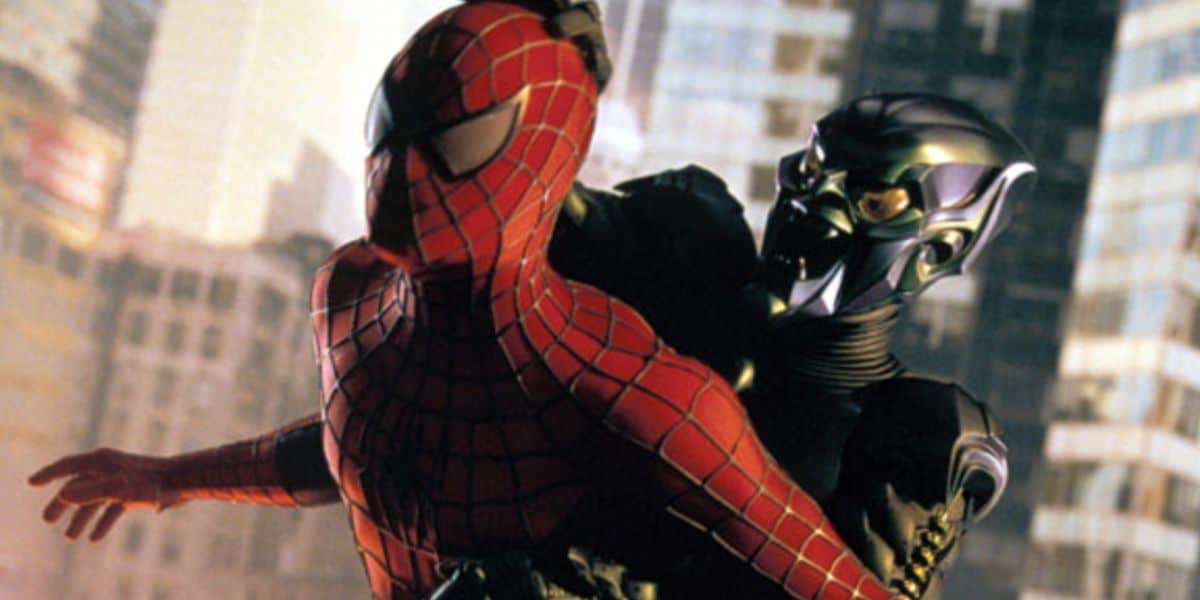
The timing also felt intentional. With new Spider-Man projects on the horizon, bringing older films back into circulation helped reignite interest in the character’s legacy. It allowed audiences to revisit key moments, compare interpretations, and prepare for what’s next. But as quickly as those films appeared, their availability is now set to change again.
As April draws to a close, the five live-action Sony Spider-Man films (Spider-Man, Spider-Man 2, Spider-Man 3, The Amazing Spider-Man, and The Amazing Spider-Man 2) are to be removed from the HBO Max streaming platform, marking the end of this brief window with the Warner Bros. studio (per The Direct). While licensing agreements have always dictated where films can be watched, the speed and frequency of these changes highlight an increasingly fragmented streaming landscape.

For fans, the impact is immediate. Movies that were readily available just weeks ago may soon require different subscriptions—or disappear entirely for a time. It’s a reminder that, in the age of digital distribution, even iconic titles aren’t guaranteed a permanent home.
This shift also reflects a broader industry trend. Studios are becoming more strategic about where their content lives, often rotating titles between platforms to maximize visibility and revenue. In Spider-Man’s case, that strategy is further complicated by the dual ownership between Sony and Marvel, leading to a patchwork of licensing deals that can change with little notice.

Another notable Spider-Man franchise development has been on the animation front, with co-producers Phil Lord and Christopher Miller (Project Hail Mary) confirming that the upcoming third installment in the Into the Spider-Verse series will be the final chapter for Miles Morales.
Starting with Spider-Man: Into the Spider-Verse (2018) and continuing with Spider-Man: Across the Spider-Verse (2023), Spider-Man: Beyond the Spider-Verse, which is currently on schedule for its 2027 release, will be the end of the Miles Morales era.
How do you feel about the current standing of the Spider-Man franchise across live-action and animation? Let Inside the Magic know in the comments down below!