1
1
 Credit: Inside The Magic
For decades, the American summer vacation has been defined by the open road and the silhouette of a roller coaster on the horizon. But as we approach the summer of 2026, that tradition is facing an existential threat.
With the sudden outbreak of hostilities and the escalating war with Iran, the global energy market has been thrown into chaos. As crude oil prices shatter historical records and the national average for gas surges toward $7.00 a gallon, the theme park industry is bracing for what industry analyst Robert Niles calls a “rough summer.”

From the gates of Walt Disney World to the boardwalks of Cedar Point, the “Summer of the Staycation” is no longer a choice—it’s a financial necessity. Here is a deep dive into how the current geopolitical crisis and the resulting pain at the pump are set to transform—and potentially devastate—the 2026 theme park season.
The “Drive-To” Dilemma: When the Road Trip Becomes Too Expensive
The backbone of the theme park industry isn’t the international jet-setter; it’s the family of four in a mid-sized SUV driving three to six hours to reach their destination. For parks like Kings Island in Ohio, Carowinds in North Carolina, or Six Flags Over Texas, the “drive-to” market accounts for the vast majority of their annual attendance.

In previous years, a 300-mile round trip might have cost a family $60 in fuel. Today, with prices destabilized by the conflict in the Middle East and the closure of key shipping lanes in the Strait of Hormuz, that same trip is pushing $150 to $200. When you add in the cost of parking (which has climbed to $30+ at major parks) and the inflated cost of theme park tickets, the “barrier to entry” has never been higher.
Robert Niles points out that when gas prices spike, the first thing families cut back on is the “extra” trip. That third-day Park Hopper or the weekend getaway to a regional park is the first casualty of a $100 fill-up.
The Orlando and SoCal “Fly-To” Crisis
While regional parks struggle with gas prices, “destination” parks like Walt Disney World, Universal Orlando Resort, and Disneyland face a double-edged sword. These parks rely heavily on guests flying in from across the country and the globe.

The war with Iran hasn’t just impacted the local gas station; it has sent jet fuel prices into the stratosphere. Airlines are already implementing “war surcharges” and cutting routes to save on fuel costs. For a family in Chicago or New York, the cost of flying to Orlando has nearly doubled since the conflict began.
When travel becomes a luxury reserved only for the ultra-wealthy, the massive hotel inventories of Disney and Universal begin to see “ghost town” occupancy rates. We are already seeing a shift in booking patterns: longer lead times, more cancellations, and a move toward shorter, budget-conscious stays.
The Hidden Cost: Why Your Churro is Getting More Expensive
The impact of $7.00 gas isn’t just felt at the pump; it’s felt at the cash register inside the park. Theme parks are logistical nightmares that require thousands of tons of food, merchandise, and supplies to be delivered via truck every single day.

As diesel prices soar, shipping companies are passing those costs directly to the parks. This creates a “Triple Threat” of inflation:
- Higher Operating Costs: It costs more to power the rides and air-condition the massive show buildings.
- Higher Supply Costs: The cost of a frozen hamburger patty or a plush Mickey Mouse doll increases due to transportation surcharges.
- Labor Pressure: Employees who often live miles from expensive resort areas are demanding higher wages to cover their commuting costs.
To offset these costs, parks are forced to raise prices on “ancillary” items. Don’t be surprised to see $18 burgers and $12 sodas this summer. For many families, the “nickel and diming” inside the park is more frustrating than the ticket price itself.
The Regional Pivot: Can Six Flags and SeaWorld Survive?
Ironically, the current crisis might provide a strange silver lining for smaller, regional parks. If a family cancels their $6,000 trip to Disney World because of flight and fuel costs, they might instead opt for a “Staycation” at their local Six Flags or SeaWorld.
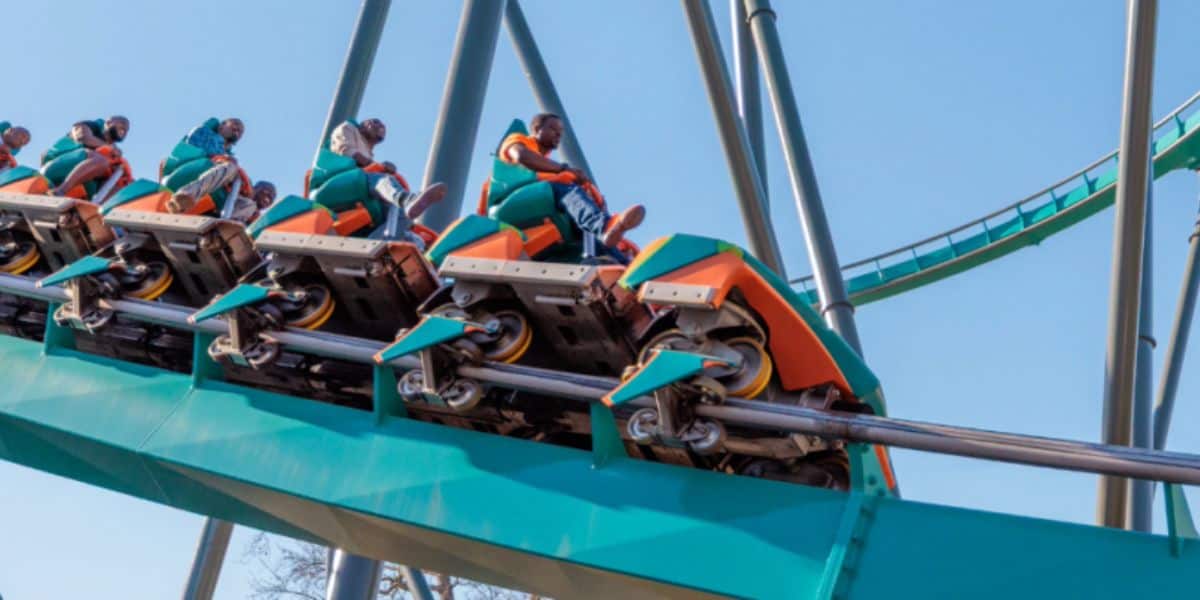
Industry experts expect a surge in “Season Pass” sales among residents. Parks are leaning into this, offering “Gas Card” promotions and “Local Resident” discounts to entice people who are staying close to home. However, while local attendance might stay steady, these guests spend significantly less than tourists.
A local family rarely buys a hotel room or three meals a day inside the park; they eat at home and drive back the same evening. This “low-yield” attendance keeps the lights on but doesn’t drive the record profits Disney and Universal have become accustomed to.
The Psychological Impact of War on Travel
Beyond the literal cost of gas, there is the psychological weight of being at war. Geopolitical instability often leads to a “hunker down” mentality. When the news cycle is dominated by conflict in Iran and global uncertainty, the desire to spend thousands of dollars on a frivolous vacation diminishes.

Historically, during times of national conflict or intense economic anxiety, consumers prioritize “essential” spending. The “joy” of a theme park can feel disconnected from the reality of a world at war. Parks will have to work twice as hard in their marketing to position themselves as a “necessary escape” rather than an “unnecessary luxury.”
What Can Travelers Do to Save?
If you are determined to hit the parks in 2026 despite the fuel crisis, experts suggest several strategies to mitigate the cost:

- The “One-Tank” Rule: Stick to parks within a 200-mile radius of your home to avoid multiple fill-ups.
- Public Transit and Shuttles: In cities like Orlando, use Brightline or hotel shuttles to avoid the $35-per-day parking fees and the high gas consumption from traffic.
- Dining Plans: Purchase all-day dining plans in advance. With food inflation expected to rise through the summer, locking in today’s prices can save a family of four hundreds of dollars over a week.
- Off-Peak Visiting: With the war impacting international travel, mid-week attendance might be lower than usual, leading to potential “flash sales” on tickets and hotel rooms.
Conclusion: A Summer of Uncertainty
The 2026 theme park season will be remembered as the summer the music slowed down. While the “war with Iran” and the ensuing gas crisis are external factors beyond the control of any CEO, the industry’s response will dictate who survives.
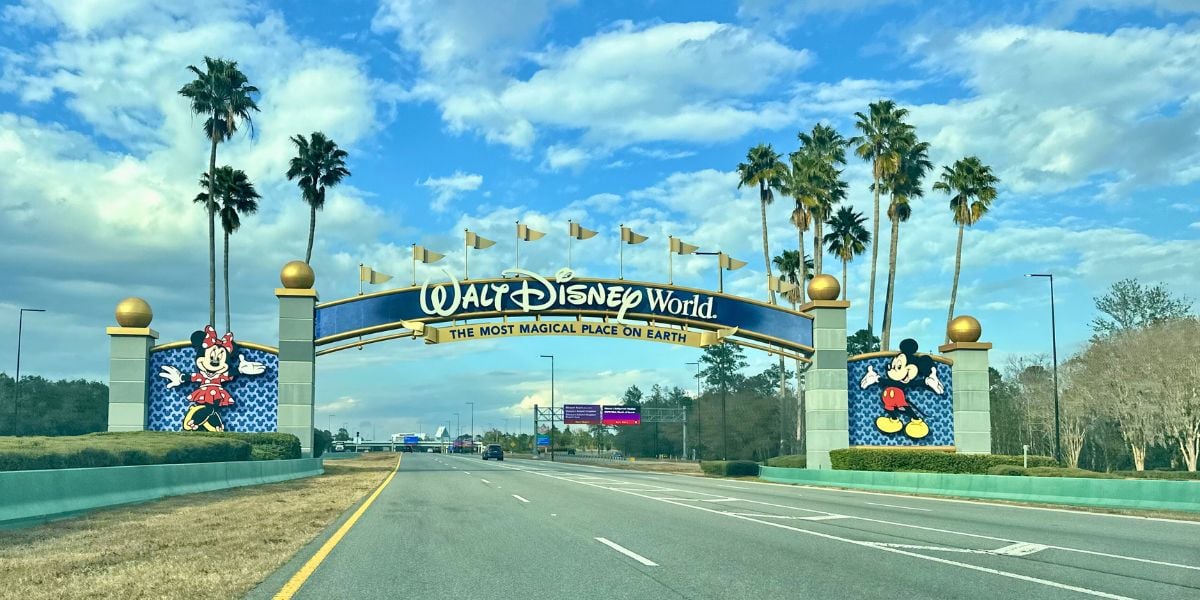
We are likely to see a “thinning of the herd,” with smaller parks with high debt loads struggling to stay afloat while giants like Disney and Universal use their deep pockets to weather the storm through aggressive promotions. One thing is certain: the era of the “cheap” theme park road trip is over. This summer, the most terrifying thing at the park won’t be the 300-foot drop of a roller coaster—it will be the price on the gas sign just outside the gates.