1
1
 Credit: Inside The Magic
The new Disney CEO just spoke up about the price differences guests have seen over the years and confirmed something that may make or break your next Disney World or Disneyland vacation.
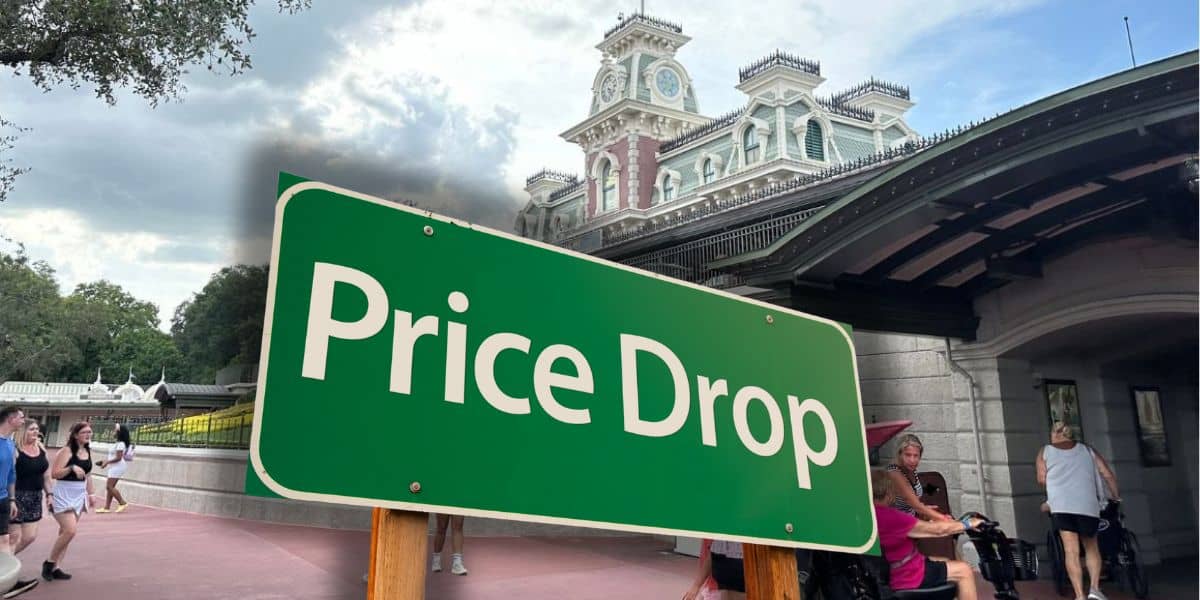
Fans Are Feeling the Pressure as Disney Vacations Become Harder to Justify
For generations, a Disney vacation has represented something more than just a trip—it’s been a milestone, a tradition, and for many families, a once-in-a-lifetime experience. From first rides on iconic attractions to emotional character meet-and-greets, these moments have long carried a sense of magic that feels priceless.
But in recent years, that feeling has been tested. As ticket prices, hotel rates, and add-on costs continue to climb, more families are quietly asking the same question: is it still worth it?
Fans are noticing the shift, and conversations across social media and Disney forums have grown louder. Some guests say they’re delaying trips. Others are scaling back. And many are watching closely to see how Disney responds.

Guests Are Already Reacting to Changing Costs and Crowds
A surprising change in guest behavior has emerged as pricing continues to evolve. While the parks remain busy, the way guests plan their visits is shifting dramatically.
Guests are already reacting by hunting for deals, choosing off-peak travel dates, and shortening their stays. Others are opting out of premium add-ons like Genie+ or park hopper upgrades. The emotional connection to Disney remains strong—but the financial commitment is becoming harder to ignore.
At the same time, crowd levels remain a major concern. Even with higher prices, many visitors report packed parks, long wait times, and difficulty securing reservations for experiences that were once more accessible.
This tension—between cost and experience—is exactly where Disney now finds itself under scrutiny.

Disney Leadership Finally Responds to Pricing Concerns
During the Walt Disney Company Annual Shareholder Meeting, Disney Experiences Chairman Josh D’Amaro addressed these concerns directly, offering rare insight into how the company views rising costs and guest expectations.
D’Amaro acknowledged what many guests have been feeling: a Disney vacation is, in his words, a “meaningful investment for families.”
Rather than dismissing the issue, he leaned into it—emphasizing that Disney is acutely aware of the financial weight guests carry when planning a trip. But his response also revealed how the company measures success in a changing landscape.
According to D’Amaro, Disney tracks guest experience ratings and “intent-to-return” scores as its primary benchmarks. And by those measures, he says performance remains strong across all parks.
“Our goal is for every single guest to feel that their experience is worth it,” he said. “Basically, we want this experience to be the best day of a guest’s life.”

A Flexible Pricing Strategy Is Quietly Taking Shape
Rather than implementing simple across-the-board price hikes, Disney appears to be leaning into a more flexible pricing model—one designed to give guests options rather than uniform costs.
This includes value-based ticket pricing depending on the time of year, multi-day ticket discounts, and limited-time promotional offers aimed at specific groups.
Two current examples stand out:
-
At Disneyland, children can visit the parks for as little as $50 per day through a limited-time ticket offer.
-
At Walt Disney World, families can take advantage of vacation packages that include free dining for kids.
These promotions signal a broader strategy: instead of lowering prices across the board, Disney is creating targeted entry points to make trips feel more attainable—at least for some guests.

Managing Attendance Is Becoming Just as Important as Pricing
Beyond ticket costs, Disney is also focusing heavily on how many guests enter the parks each day—and why that matters.
D’Amaro made it clear that attendance levels are not just about maximizing revenue. Instead, they are directly tied to guest satisfaction.
By managing crowd levels, Disney aims to protect the overall experience—shorter wait times, easier navigation, and a more enjoyable atmosphere. In theory, fewer guests at any given time could help justify higher prices by improving the quality of the visit.
However, this balancing act is delicate. If prices rise too high, families may be priced out. If attendance climbs too much, the experience suffers.
Guests are already reacting to this tension, and many are watching closely to see whether Disney can truly deliver on both fronts.

What This Means for the Future of Disney Vacations
Looking ahead, Disney’s approach suggests that pricing isn’t likely to drop in a significant way—but it may become more strategic, more segmented, and more dependent on how and when you visit.
Fans are noticing that flexibility is becoming the key to affordability. Those willing to travel during off-peak seasons, take advantage of promotions, or adjust their expectations may still find value in the experience.
At the same time, the pressure is on Disney to prove that the cost aligns with the magic. Because as more families weigh their options, the question is no longer just about price—it’s about whether the experience still feels unforgettable.
And that’s something guests will continue to decide, one trip at a time.