
 Credit: Inside the Magic
For decades, Disney Parks have represented more than rides and attractions — they’ve been living proof of what happens when storytelling meets limitless imagination. From the moment guests walk down Main Street, U.S.A. at Magic Kingdom to the cinematic immersion of Star Wars: Galaxy’s Edge, fans expect innovation, scale, and emotional magic.
But behind the scenes, that magic has always required something far less whimsical: massive financial commitment.
Every castle transformation, groundbreaking attraction, and expansion into new lands reflects billions of dollars in planning, construction, and operational investment. Disney fans understand this reality, yet many rarely think about the financial machinery that powers these experiences — until something unexpected happens.
Recently, a quiet development has begun circulating among investors and industry observers, raising subtle concerns about the pace and future of Disney’s most ambitious projects.

A Quiet Financial Shift Has Sparked Questions Fans Didn’t Expect to Ask
Over the past several months, Walt Disney World has been buzzing with visible signs of transformation. Construction walls, permit filings, and concept art have painted a future filled with expansion — from the upcoming Tropical Americas land at Disney’s Animal Kingdom to the long-anticipated Villains Land at Magic Kingdom.
Rumors have even suggested Imagineers were encouraged to push creative boundaries further than originally planned, with budget considerations reportedly becoming less restrictive.
For fans, this level of creative freedom felt like a dream scenario. The promise of immersive storytelling, larger-than-life attractions, and entirely new lands reinforced confidence that Disney’s next era would rival its most celebrated periods of innovation.
However, financial movements occurring quietly in the background have begun to complicate that narrative.

Disney’s Massive Expansion Plans Were Already Pushing the Limits of Theme Park Investment
Back in September 2023, Disney CEO Bob Iger announced a staggering commitment to the company’s Experiences division — a plan to invest $60 billion through 2033.
While only about half of that investment was ultimately designated for theme parks and resorts, Walt Disney World alone secured approximately $17 billion, alongside projections of 13,000 new jobs created in Central Florida.
The scale of these commitments signaled a clear strategic shift: Disney Parks would serve as the company’s primary growth engine in the years ahead.
Construction projects already underway — including the Cars-themed Frontierland expansion, Monsters, Inc. concepts, Villains Land, and other unannounced developments — suggest spending is only beginning to ramp up as Disney approaches the latter half of the decade.
But sustaining projects of this magnitude requires consistent financial flexibility.
And that’s where the latest development enters the picture.
Disney’s First Major Debt Issuance Since the Pandemic Has Finally Been Revealed
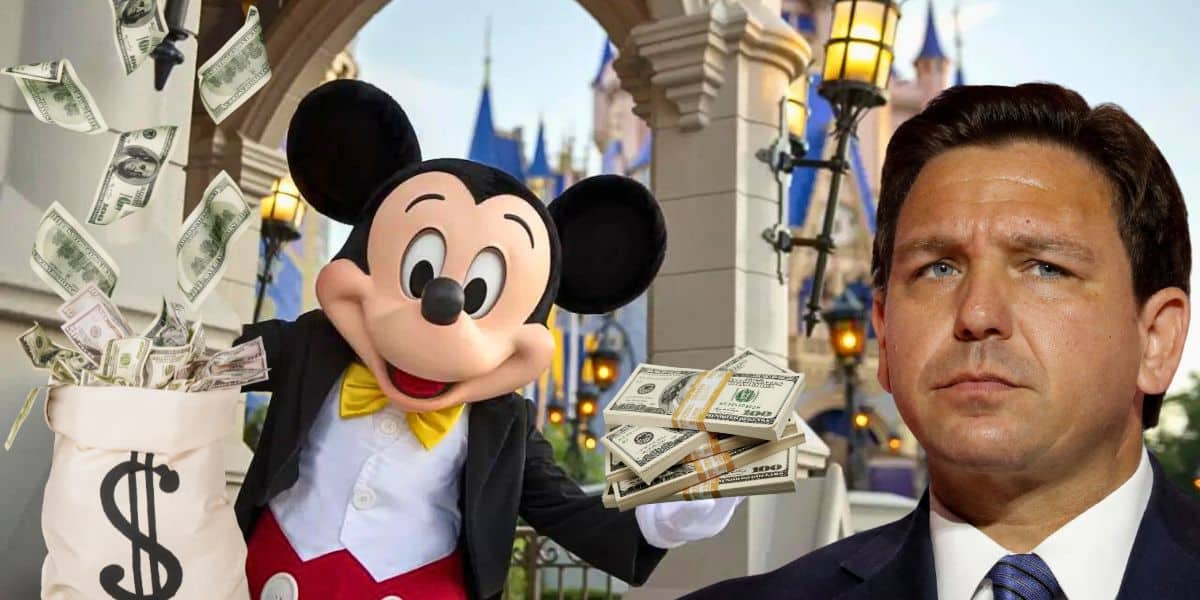
According to recent filings with the U.S. Securities and Exchange Commission (SEC), The Walt Disney Company has raised $4 billion in new debt — marking the first time the company has returned to investor-grade debt markets since borrowing heavily during the COVID-19 pandemic.
The issuance consists of four notes:
-
$500 million note maturing March 14, 2029
-
$1 billion note maturing March 14, 2029
-
$1.5 billion note maturing March 14, 2031
-
$1 billion note maturing March 14, 2036
Disney stated the funds would be used for “general corporate purposes,” without providing additional specifics.
While the amount may seem large, within the context of Disney’s long-term expansion strategy, $4 billion represents only a fraction of the company’s planned Experiences spending.
Still, the timing is notable — particularly as Disney continues navigating pandemic-era debt maturities and funding multi-year construction initiatives.
Market reaction has been cautious, with Disney’s stock declining following the February 10 announcement, suggesting investors are closely monitoring how the company balances growth with financial discipline.

Fans and Investors Are Already Debating What This Could Mean for Future Park Projects
Across social media platforms like X and Reddit, Disney fans have begun speculating about the broader implications.
Some fans expressed concern that additional borrowing could indicate rising project costs or operational pressures, while others viewed the move as routine corporate strategy for funding expansion while managing existing obligations.
The discussion reflects a familiar tension within the fandom: excitement over ambitious projects paired with anxiety about delays, budget adjustments, or scaled-back experiences.
Historically, Disney has frequently leveraged debt during major growth periods — including resort expansions, cruise ship launches, and large-scale attraction development — meaning the move may ultimately signal confidence rather than caution.
Still, the optics of new borrowing during a period of aggressive expansion inevitably invite scrutiny.

What This Means for Walt Disney World Guests Planning the Next Decade of Visits
For most travelers, the immediate guest experience is unlikely to change. Construction continues across Walt Disney World, and Disney has already indicated that spending on park expansions will intensify as the company approaches 2030.
If anything, the debt issuance may reinforce Disney’s commitment to keeping projects moving despite broader economic pressures.
However, the development highlights a larger reality: the future of Disney Parks will be shaped not only by creative ambition, but by how effectively the company balances growth, debt management, and long-term profitability.
For fans eagerly awaiting Villains Land, Tropical Americas, and other projects still hidden behind concept art, the coming years may reveal whether Disney’s financial strategy accelerates the magic — or forces difficult prioritization.
What do you think — does this financial move signal confidence in Disney’s future, or reason for concern about upcoming park projects?
Source: BlogMickey