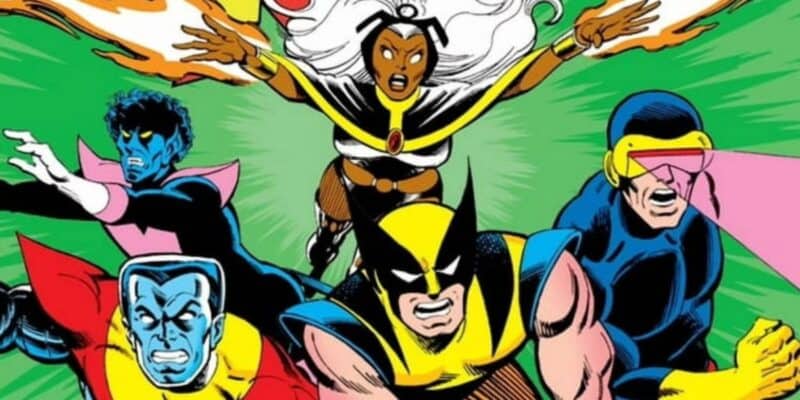
 Credit: Marvel Comics
Something big is happening with the X-Men, and it feels like Marvel is about to attempt something it has never truly pulled off before.
The X-Men franchise has always thrived on chaos, reinvention, and unpredictability. But this latest shift doesn’t feel like a simple reboot, sequel, or “new era” announcement. It feels like Disney is preparing to restructure the X-Men, potentially changing how the franchise tells its stories going forward.
And if the early signs are right, fans are about to watch Marvel experiment with the X-Men on a scale we’ve never seen.
The X-Men Franchise Has Never Been Just One Era
The X-Men have been part of pop culture for decades, but the modern explosion really started when Fox launched the original film series.
It began with X-Men (2000), a movie that helped prove superhero films could be serious, dramatic, and character-driven. That was followed by X2: X-Men United (2003), which many fans still consider the franchise’s peak, and X-Men: The Last Stand (2006), which became one of the most divisive entries due to its handling of major storylines.
Then Fox shifted directions with prequels, starting with X-Men: First Class (2011). That timeline expanded with X-Men: Days of Future Past (2014), X-Men: Apocalypse (2016), and Dark Phoenix (2019), each one trying to reshape the team and redefine the tone.
Along the way, the franchise branched out even further. Wolverine became his own powerhouse with The Wolverine (2013) and the critically praised Logan (2017). Meanwhile, the Deadpool trilogy took the X-Men universe in a completely different comedic direction.
And beyond movies, the X-Men have lived through endless cartoons, spinoffs, comics, and reboots. They’ve never stayed in one format for long, and that’s part of why the franchise still matters.

Disney Gaining the Rights Changed Marvel Forever
When Disney acquired Fox, it wasn’t just a corporate merger. It gave Marvel Studios access to characters it had been locked out of for decades.
That meant Disney gained control of the X-Men brand and the ability to integrate mutants into the MCU fully. It also meant the studio gained access to the TV side of the franchise, which is where this current shake-up really starts to take shape.
At this point, it’s not even a question of if the X-Men will be part of the MCU — it’s how.
And with Marvel already moving toward massive crossover events, fans have started paying close attention to rumors that X-Men characters could even begin appearing in upcoming projects, including Avengers: Doomsday (2026).
But Disney doesn’t seem to be using the movies as the first step. Instead, it looks like the company is using Disney+ to set the tone for what’s coming next.

Disney+ Is Where the X-Men Shake-Up Is Happening
Marvel’s Disney+ era has been messy at times, but one thing is clear: streaming has become Marvel’s testing ground.
Some shows have introduced new characters. Others have experimented with formats and storytelling styles that the MCU never would have attempted in theaters. And for the X-Men, Disney+ has now become the platform where the franchise can evolve without the pressure of a billion-dollar opening weekend.
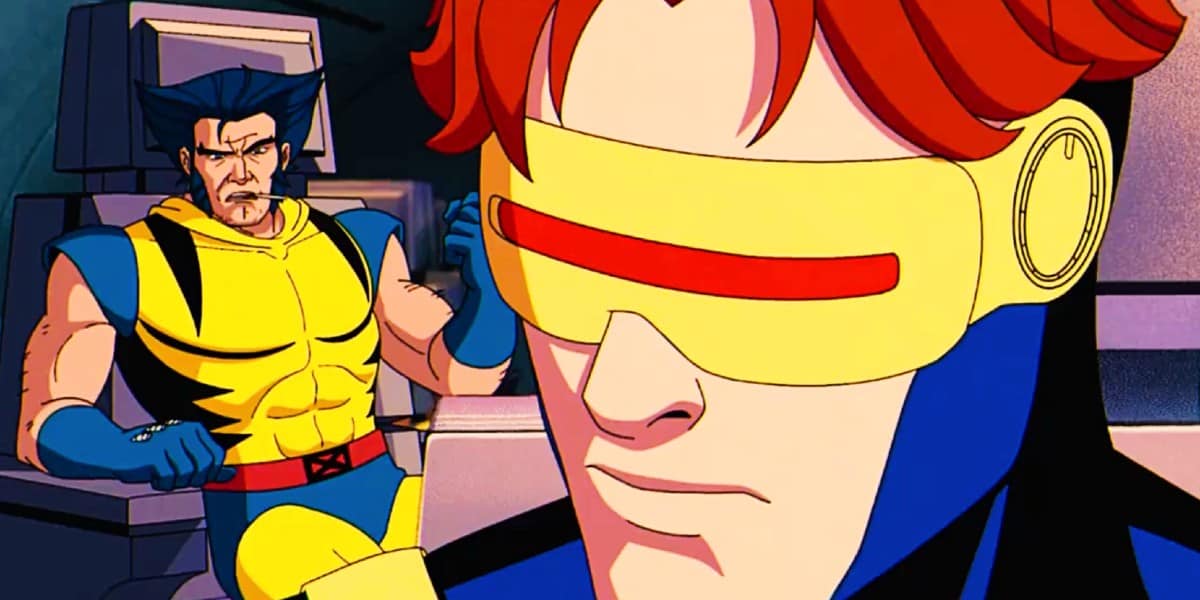
That’s why X-Men ’97 has become such a big deal. It isn’t just a nostalgic revival. It feels like Marvel is using the animated series as a serious storytelling engine.
And now, that engine is about to shift into overdrive.
X-Men ’97 Became a Surprise Powerhouse
When X-Men ’97 was first announced, fans were excited, but many assumed it would simply rely on nostalgia. Instead, the show quickly proved it had real ambition.
It delivered dramatic stakes, serious themes, and character arcs that felt more like prestige TV than a Saturday morning cartoon. It also respected the original series while still modernizing the pacing and emotional weight.
That’s what made it such a breakout success.
But the biggest reason fans are still talking about it is because of how the season ended.
The Season Finale Split the Story Wide Open
The Season 1 finale didn’t just end on a cliffhanger. It fractured the entire franchise.
After Asteroid M’s destruction, Magneto, Rogue, Nightcrawler, Beast, and Professor Charles Xavier wake up in Ancient Egypt, 5,000 years in the past. There, they come face-to-face with En Sabah Nur, the mutant who will later become Apocalypse.
Meanwhile, Jean Grey and Cyclops are thrown 2,000 years into an apocalyptic future. There, they encounter Clan Askani, who protect a young boy named Nathan Summers. Cable, Jubilee, and Sunspot remain in the present, anchoring the timeline viewers know best.
Marvel has played with time before. Loki, for example, sent its main character across centuries while exploring key moments in the Sacred Timeline. But Loki still followed one primary storyline.
This feels different.
Instead of time travel being a side plot, the X-Men story now seems built around the idea of multiple timelines unfolding at once.

Season 2 Is About to Do Something Marvel Has Never Done
Season 2 of X-Men ’97 looks poised to separate its heroes across time itself, with different X-Men stories unfolding across millennia. Instead of one central narrative, multiple arcs may run simultaneously, weaving together as the season progresses.
The Ancient Egypt storyline instantly raises the stakes, since Apocalypse is one of the most iconic villains in X-Men history. Xavier and Magneto witnessing the early rise of En Sabah Nur could reshape everything about their future battles, and even their own ideological conflicts.
Meanwhile, Jean and Cyclops’ story introduces Clan Askani and puts Nathan Summers at the center of the plot. Nathan’s connection to Cable creates a natural bridge between past and future storylines. With Cable, Jubilee, and Sunspot staying in the present, the show has a strong anchor point to keep viewers grounded while the timeline fractures around them.
At its core, this setup continues what made the original animated series beloved: serialized storytelling, layered themes, and a willingness to take risks.

X-Men Has Used Time Travel Before, But Not Like This
Time travel isn’t new to X-Men. Fans have seen it in the comics for decades, and X-Men: Days of Future Past (2014) was literally built around rewriting the timeline.
Cable’s entire character exists because of the concept of alternate futures and shifting history. Apocalypse has always been tied to ancient mythology. The franchise has flirted with these ideas repeatedly.
But Marvel has rarely committed to telling multiple major X-Men storylines across different eras alongside the main format.
That’s what makes this feel “historical.”
If Season 2 truly unfolds as parallel timelines that intersect and collide, Marvel may be building something closer to a multi-era saga than a traditional superhero season.
And if it works, it could change how Disney approaches the X-Men in the MCU in the future.
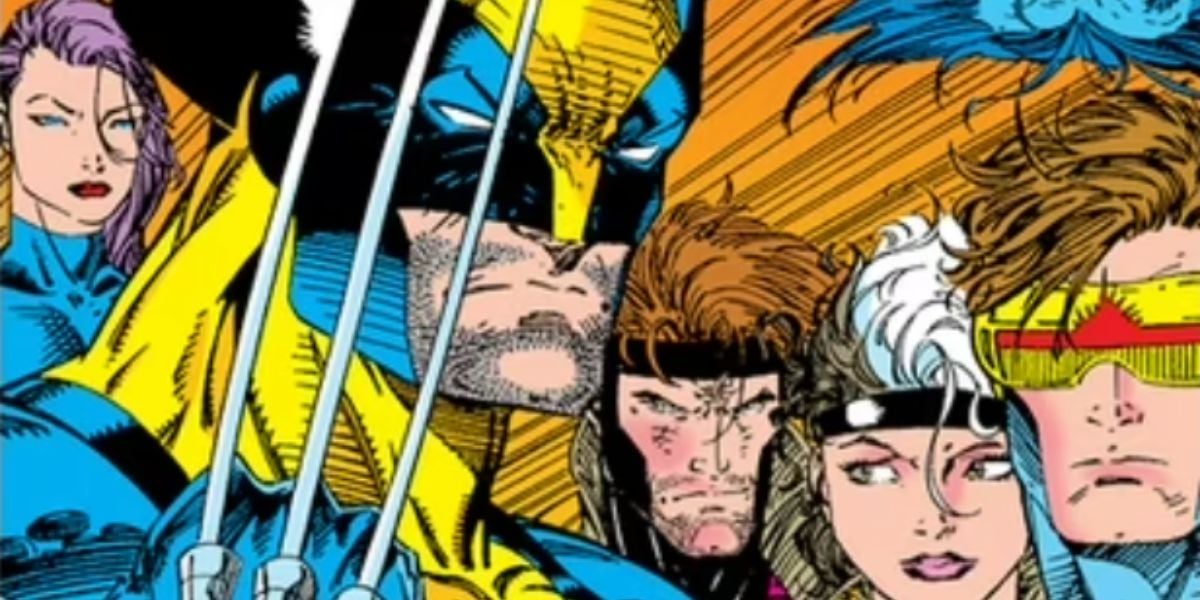
Disney’s X-Men Future Just Got a Lot Bigger
Disney didn’t just revive X-Men ’97 to make fans happy. It’s starting to look like Marvel is using this show to experiment with a storytelling structure that could reshape the entire X-Men brand.
The franchise has always been about evolution, and this feels like the next step. Not a reboot. Not a replacement. A complete restructuring of how X-Men stories can be told.
And if Disney really is willing to split its heroes across time itself, fans may be watching the start of the most ambitious X-Men era ever.