 Credit: Disney
The relationship between theme park attractions and guest satisfaction operates on multiple levels that extend far beyond simple metrics like wait times or throughput numbers.
Disney parks have always distinguished themselves not merely through technological achievement or intellectual property integration, but through their ability to create emotional connections that transform rides into memories and visitors into lifelong advocates.
Understanding what separates attractions guests tolerate from those they genuinely love represents one of the most challenging aspects of theme park design, requiring insights that purely quantitative data cannot provide.
The difference between an attraction guests appreciate and one they actively champion manifests in return visitation patterns, social media engagement, merchandise purchases, and the intangible but powerful force of word-of-mouth recommendations that shape how millions perceive Disney’s offerings.
Walt Disney Imagineering has spent decades refining techniques for measuring guest response, from traditional satisfaction surveys to sophisticated behavioral tracking, yet the most revealing insights often come from qualitative observation and the kind of experience intelligence that recognizes when something functional falls short of something beloved.
This distinction matters enormously because theme parks compete not just for attendance but for emotional investment, and attractions that fail to inspire genuine love eventually become operational burdens rather than revenue drivers regardless of how technologically impressive they might be.
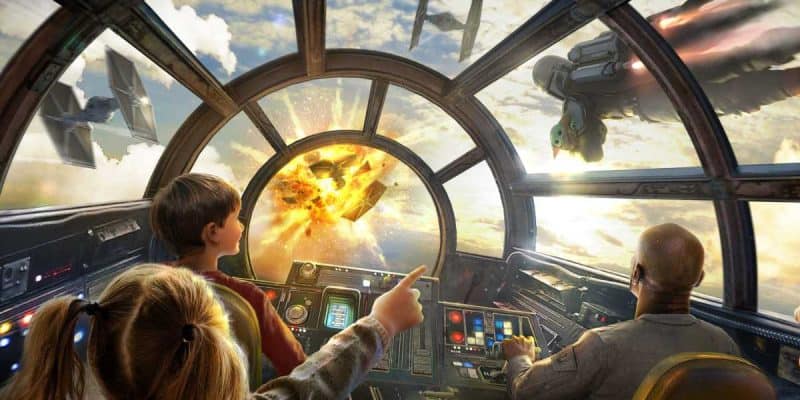
Disney’s upcoming CEO Josh D’Amaro revealed that Walt Disney Imagineering spent years planning a major redesign of Millennium Falcon: Smugglers Run at Star Wars: Galaxy’s Edge because the attraction, despite its popularity, failed to inspire the kind of passionate guest response Disney seeks from its signature experiences.
During leadership research documented in Harvard Business Review, D’Amaro explained the critical distinction driving the planned changes with a simple assessment that carries profound implications for how Disney evaluates its attractions.
The “Like” Versus “Love” Problem

During design sessions with Walt Disney Imagineering observed by leadership researcher and author studying D’Amaro’s approach to what she terms “experience intelligence,” the Disney future CEO diagnosed a fundamental issue with Smugglers Run that wasn’t apparent from operational metrics. The attraction consistently drew two-hour waits and maintained strong attendance numbers, yet something essential was missing.
“Guests like it,” D’Amaro said during the meeting with 30 Imagineers and operators, “but they don’t love it.”
That distinction matters more than casual observers might realize. Research shows that while positive feelings like enjoyment, respect, or appreciation all register as favorable responses, only love predicts future behavior. Guests who like an attraction may ride it once during their visit.
Guests who love an attraction return repeatedly, recommend it enthusiastically to others, and incorporate it into their Disney identity in ways that drive long-term loyalty and advocacy.
For Disney, creating attractions guests merely like represents a missed opportunity and potentially wasted investment. The company doesn’t build attractions to generate mild approval. It builds them to create experiences people carry with them for years, experiences that become part of family stories and traditions, experiences worth traveling across continents to repeat.
The Core Design Flaw

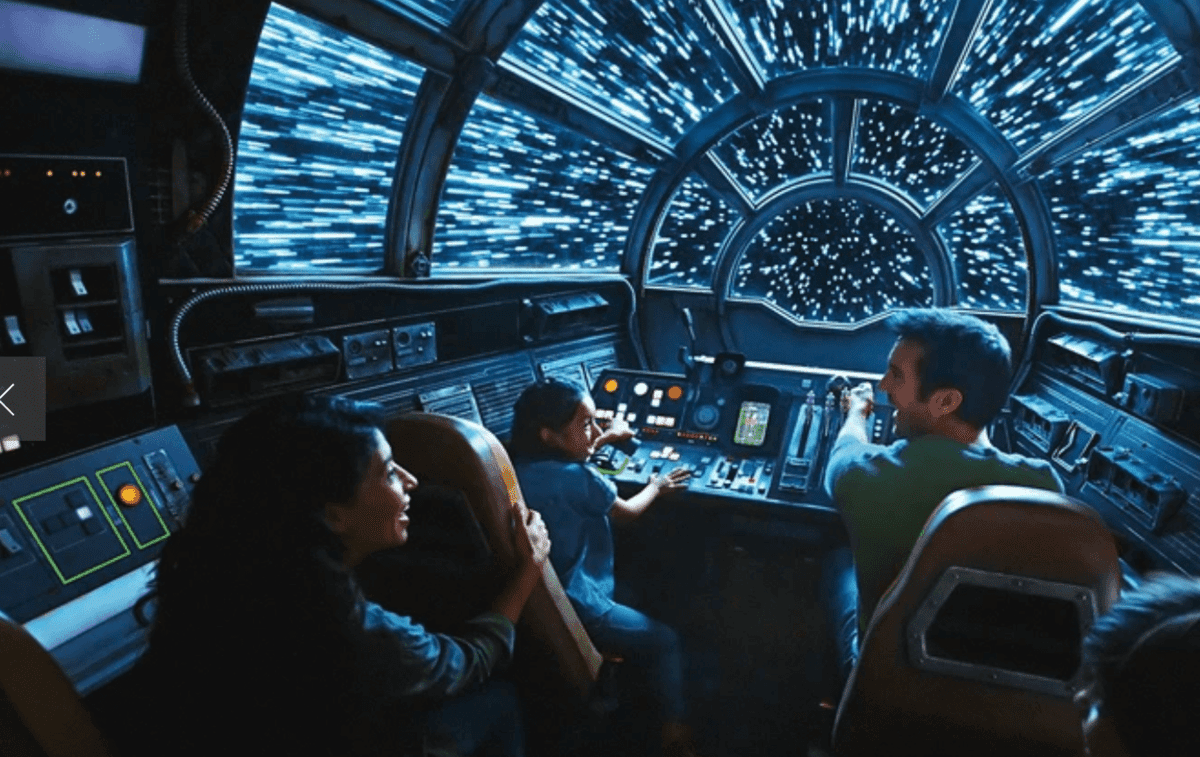
D’Amaro’s diagnosis identified a specific structural problem undermining Smugglers Run’s emotional impact. The attraction assigns six riders to different roles aboard the Millennium Falcon, but those roles offer dramatically different levels of engagement and agency.
The pilot position provides genuine control. Pilots steer the iconic ship through its mission, making meaningful choices that affect the experience. Their actions feel consequential, their decisions matter, and they emerge from the ride feeling they genuinely flew the Falcon.
The other positions tell a different story. Gunners and engineers participate, but their actions carry less weight. They press buttons that trigger predetermined sequences, but they don’t shape the narrative or control the outcome in ways that feel truly meaningful. They’re passengers with tasks rather than active participants in an adventure.
This disparity creates an inherent problem. Only one-third of riders per mission get the experience Disney actually wants to deliver. The remaining two-thirds receive a diminished version that fails to generate the emotional response that would transform casual satisfaction into genuine love.
Families negotiating who gets pilot seats understand this intuitively. The quiet bargaining that happens in queue lines, the promises of “next time,” the disappointment when someone gets assigned to engineering instead of piloting all reflect guests recognizing that Smugglers Run delivers fundamentally different experiences depending on which seat you occupy.
The Planned Redesign

The Imagineering team’s solution focused on democratizing agency across all positions. Rather than accepting that some riders would inevitably receive secondary experiences, the redesign aimed to ensure no one aboard felt like a passenger. Every position would offer meaningful control, opportunities to demonstrate skill, and genuine influence over the mission’s outcome.
The specific mechanics of how this would work weren’t detailed in the research observations, but the philosophy was clear. Disney wanted to transform Smugglers Run from an attraction where one person flies while others assist into one where six people collaboratively pilot the ship, each contributing in ways that feel essential and exciting.
The goal was changing what guests say after riding. Instead of “I liked it, but I wish I’d been pilot,” Disney wanted to hear “I loved it” regardless of assigned position. That shift from qualified approval to unqualified enthusiasm represents the difference between an attraction that fills operational needs and one that creates Disney advocates.
D’Amaro framed this work as a valuable use of his time despite his future CEO responsibilities. “Disney is a delicate brand,” he explained. “Anything I can do to help more guests say they love Disney is a valuable use of my time.”
The redesigned experience was scheduled to debut in May, though specific timing and implementation details weren’t publicly announced. D’Amaro acknowledged the uncertainty inherent in the project, noting he would learn whether his diagnosis proved correct once guests experienced the changes.
Experience Intelligence as Leadership Philosophy
The Smugglers Run redesign exemplifies what leadership researcher studying D’Amaro describes as “experience intelligence,” the ability to read and shape human experience in ways that produce lasting emotional responses rather than temporary compliance or satisfaction.
This capability requires recognizing that traditional management tools like goals, feedback, rewards, and loyalty programs produce only short-term behavioral changes. Lasting change requires creating experiences that generate specific emotional responses, and among all positive emotions, only love consistently predicts future behavior.
D’Amaro’s willingness to invest years of Imagineering resources into redesigning an attraction already drawing two-hour waits demonstrates this philosophy in action. From a purely operational perspective, Smugglers Run worked.
It processed guests efficiently, maintained strong attendance, and fulfilled its function within Galaxy’s Edge. But from an experience intelligence perspective, it failed because it didn’t create the emotional response Disney requires from flagship attractions.
The hours D’Amaro dedicated to analyzing precisely how to make each ride not just fun but beloved, his attention to details like trash can placement on Main Street, and his commitment to directly engaging with cast members through Instagram all reflect the same underlying principle.
Creating experiences people love requires obsessive attention to how every element shapes emotional response, not just whether it functions correctly or meets efficiency targets.
Recent Operational Changes
While the major redesign was being planned, Smugglers Run has seen other adjustments that suggest ongoing experimentation with how guests experience the attraction. The introduction of a Double Rider queue alongside the existing Single Rider option provides guests with a middle ground between committing to full standby waits and accepting complete separation from their party.
The Double Rider queue acknowledges that emotional priorities don’t always align with operational efficiency. Some guests want shorter waits but refuse to gamble on total separation. This option lets two people enter together without guaranteeing specific role assignments, creating a third path that promises partial control without certain outcomes.
These incremental adjustments demonstrate that even established attractions continue evolving, particularly ones built around variable rider experiences like Smugglers Run. Whether the Double Rider queue represents part of the larger reimagining or simply independent operational refinement remains unclear, but it signals Disney’s continued attention to how guests emotionally process choices before even boarding.
The Broader Implications
The Smugglers Run situation reveals how Disney evaluates attraction success. Operational metrics like wait times and capacity tell important but incomplete stories. What matters ultimately is whether attractions create experiences guests love enough to return, recommend, and incorporate into their Disney identity.
This explains why Disney invests in redesigning functioning attractions. From outside perspectives, spending millions to change something already popular might seem wasteful. But Disney recognizes that “popular” and “beloved” represent different categories with different long-term value.
Popular attractions maintain attendance. Beloved attractions create advocates who drive future attendance through enthusiasm that no marketing campaign can replicate.
The question facing Disney now is whether the Smugglers Run redesign successfully transformed the attraction from one guests like into one they love. If successful, it provides a template for addressing similar issues elsewhere in the parks. If unsuccessful, it offers valuable lessons about the limits of redesigning attractions after opening rather than getting them right initially.
If you’re planning to experience Smugglers Run, pay attention to how different roles feel from a participation standpoint rather than just visuals and storytelling. The distinction D’Amaro identified between liking and loving comes down to whether you feel genuinely in control of your experience or just along for a predetermined ride.
That difference matters more than most people realize when forming memories that last beyond the park visit itself, and it’s exactly the kind of thing Disney’s now obsessing over as they figure out which attractions truly earn the emotional investment they’re hoping for versus which ones just check operational boxes.