1
1
 Credit: Steven Miller, Flickr
The “Happiest Place on Earth” is currently under a cloud of caution as health officials confirm a significant public health threat. On February 7, 2026, the Orange County Health Care Agency (OCHCA) issued a formal warning regarding an additional case of measles exposure at the Disneyland Resort. According to reports from the Orange County Register, visitors to the world-famous theme park may have been exposed to the highly contagious virus for a second time during a recent period, prompting a scramble to trace potential infections.

This latest development brings a sharp focus back to a recurring nightmare for theme park enthusiasts and public health experts alike: the vulnerability of high-traffic tourist destinations to infectious diseases that were once considered nearly eradicated in the United States.
The Disneyland Exposure: What We Know So Far
The OCHCA has identified specific dates and locations within the Disneyland Resort where an infected individual spent time while contagious. While the identity of the individual has been withheld for privacy reasons, the threat they pose to the public is very real. Thousands of guests from across the globe traverse the pathways of Disneyland Park and Disney California Adventure every day, creating a “perfect storm” for a virus as opportunistic as measles.
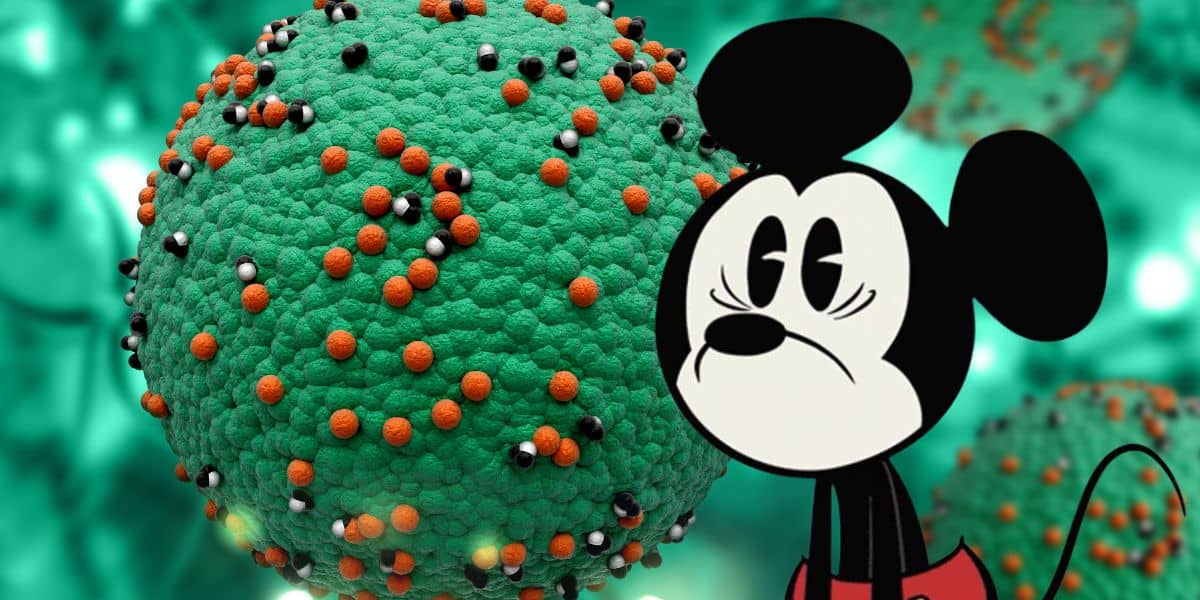
Public health officials are urging anyone who visited Disneyland Park on Thursday, January 22, from 8 a.m. to 4 p.m., and Disney California Adventure Park from 3 p.m. until closing, to check their immunization records immediately. This incident follows an earlier report of exposure, suggesting that the virus may be circulating among unvaccinated populations who frequent the resort. For Disney, this is a haunting echo of the 2014-2015 outbreak that saw over 140 cases across several states, all tracing back to the Anaheim parks.
The Invisible Threat: How Measles Spreads
Measles (Rubeola) is not just “another childhood rash.” It is one of the most infectious diseases known to medical science. To understand the gravity of the Disneyland exposure, one must understand how the virus moves through a crowd.

Measles is primarily an airborne pathogen. It resides in the mucus of an infected person’s nose and throat. When that person coughs, sneezes, or even speaks, microscopic droplets are launched into the air. What makes measles particularly terrifying in a theme park setting is its persistence. The virus can hang in the air for up to two hours after an infected person has left the room.
If you walk into a restroom or a gift shop at Disneyland an hour after an infected guest has moved on, you could still breathe in the virus. Furthermore, if the droplets land on surfaces—such as a ride lap bar, a table at a quick-service restaurant, or a handrail—the virus can remain active and contagious for those same two hours. If an unvaccinated person touches that surface and then touches their eyes, nose, or mouth, the infection is almost guaranteed.
The Symptoms: Red Flags to Look Out For
The danger of a Disneyland exposure is compounded by the “silent period” of the virus. An individual can be contagious for four days before the characteristic rash even appears. If you were at the park recently, here are the symptoms to monitor over the next 10 to 21 days:

1. The Prodromal Phase (The First 3–5 Days)
The initial symptoms often mimic a severe cold or the flu:
- High Fever: Temperatures often spike above 104°F.
- The “Three Cs”: Cough, Coryza (runny nose), and Conjunctivitis (red, watery, and light-sensitive eyes).
2. Koplik Spots
Two to three days after the initial symptoms start, tiny white spots (resembling grains of salt) may appear inside the mouth on the lining of the cheek. These are a definitive “smoking gun” for measles.
3. The Measles Rash
This is the most famous symptom. It typically begins as flat red spots at the hairline and spreads downward to the neck, trunk, arms, legs, and feet. Small raised bumps may also appear on top of the flat red spots. The spots may become joined together as they spread from the head to the rest of the body.
The Vaccination Gap: Why Are We Seeing a Resurgence?
The recurrence of measles at Disneyland is not an accident of nature; it is a direct consequence of a social and medical shift. In 2000, measles was declared eliminated in the United States. However, that status has been threatened in recent years due to decreased vaccination rates.

For “herd immunity” to work effectively against measles, approximately 95% of a population needs to be vaccinated. When the rate drops below this threshold, the virus finds “pockets” of unprotected individuals, allowing it to jump from person to person.
There are several factors contributing to this decline:
- Vaccine Hesitancy: Misinformation regarding the safety of the MMR (Measles, Mumps, and Rubella) vaccine has led some parents to delay or skip the shots.
- Personal Belief Exemptions: In various states, including those from which many Disney tourists travel, exemptions from school vaccination requirements have led to lower immunity levels in specific communities.
- The “Success” Paradox: Because the MMR vaccine was so successful for decades, many younger parents have never seen the devastating effects of measles (such as pneumonia, permanent deafness, or brain swelling/encephalitis), leading to a false sense of security.
When an unvaccinated individual from a low-immunity pocket travels to a global hub like Disneyland, they bring the risk with them. The park acts as a magnifying glass, taking a localized issue and turning it into a potential multi-state or international outbreak.
What Should You Do If You Were Exposed?
If you were at Disneyland during the dates mentioned by the Orange County Health Care Agency, the first step is to remain calm but take action.

- Review Your Records: Most people born after 1957 have either had the disease or been vaccinated against it. Two doses of the MMR vaccine are 97% effective at preventing the disease.
- Monitor Your Health: Stay vigilant for the “Three Cs” and fever for 21 days following your visit.
- Do Not Just Walk Into a Doctor’s Office: If you suspect you have measles, call ahead. Because the virus is highly contagious, clinics need to take specific precautions to prevent you from infecting other patients in the waiting room.
- Isolate: If you are unvaccinated and were exposed, you may be asked to stay home for the duration of the incubation period to prevent further spread.
Protecting the Magic
Disneyland remains a place of joy, but the recent health warnings serve as a stark reminder of our interconnectedness. Public health officials continue to stress that the MMR vaccine is the only proven defense against these types of outbreaks. As the OCHCA continues to monitor the situation, the “Happiest Place on Earth” serves as a high-profile stage for a very serious conversation about the importance of maintaining the medical shields that keep us all safe.

For the most up-to-date information on exposure dates and specific locations within the park, visitors are encouraged to visit the Orange County Health Care Agency website.