1
1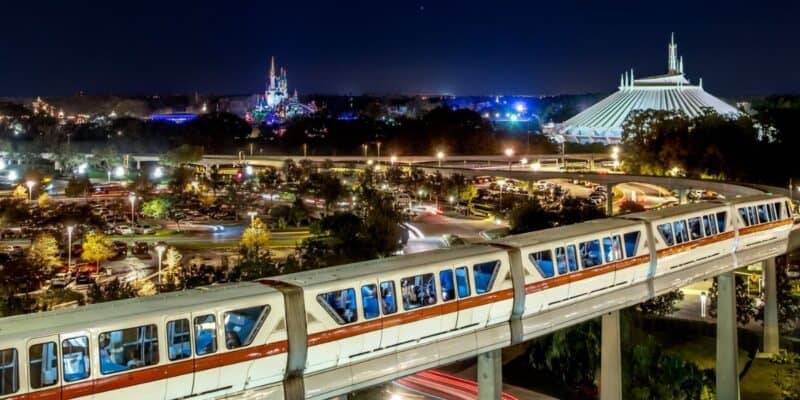
 Credit: Norm Lanier, Flickr
Disney World’s transportation system is currently operating under noticeable strain, and guests are starting to really feel it. Lines are longer, waits are less predictable, and getting from point A to point B is taking more time than many expected. While transportation is still running, the overall experience feels tighter and less flexible than usual.
This isn’t a breakdown or an emergency. It’s the result of added pressure on a system designed to work best when all of its pieces are in place. For now, that pressure remains — and it’s reshaping how guests move around the resort.
Why Disney Transportation Matters More Than You Think
Transportation at Disney World isn’t just a perk. It’s the backbone of the entire onsite experience. Resort guests rely on it to get everywhere—parks, dining, entertainment, and back to their rooms after long days. And unlike most vacation destinations, Disney offers this system free of charge, built into the value of staying on property.
Buses, boats, monorails, and the Skyliner all work together like gears in a machine. Each piece carries part of the load. When everything runs as intended, guests rarely think about it. They just show up, hop on, and go. That’s the goal.
But that balance only works when every transportation option pulls its weight. Remove one, and the pressure doesn’t disappear—it shifts.

The Shutdown That Changed Everything
The disruption began when the Disney Skyliner closed on January 25 and is not scheduled to reopen until February 1, 2026. On paper, it looks manageable. The Skyliner is only one of many transportation options. Disney has handled closures before.
In practice, the impact has been massive. The Skyliner serves several high-demand resorts and connects them quickly to EPCOT and Disney’s Hollywood Studios. It runs continuously, loading guests every few seconds, moving vast numbers of people efficiently without traffic delays.
When that system stopped, all of those guests still needed to get where they were going. The demand didn’t drop. It transferred almost entirely to buses.
When One System Goes Down, Everything Feels It
Buses suddenly became responsible for thousands of additional daily riders. Routes that usually handled moderate crowds now faced peak demand all day. Bus stops filled earlier. Lines grew longer. Waits stretched further into the morning and late into the night.
Unlike the Skyliner, buses don’t move constantly. They load, depart, drive, unload, and repeat. Traffic, signals, and distance all factor in. Even with extra buses added, the math doesn’t work the same way. One Skyliner gondola may carry fewer guests than a bus, but dozens move through the system every minute.
Replacing that kind of capacity isn’t simple. It requires more vehicles, more drivers, and more time per trip.
The Ripple Effect on Resort Guests
For guests staying at Skyliner resorts, the difference feels immediate. What used to be a quick, scenic ride now requires planning buffer time. Early park plans need adjustment. Dining reservations feel tighter. Returning to the resort midday becomes less appealing when the trip back eats up valuable time.
Even guests at non-Skyliner resorts feel the effects. Bus fleets get redistributed. Routes get stretched. A system designed for balance suddenly has to compensate for a missing piece.
The result isn’t a complete breakdown—but it is a strain. And guests notice it most during peak hours when everyone wants to move at once.
Why Buses Can’t Fully Fill the Gap
Disney buses do a lot of heavy lifting, but they aren’t designed to replace an entire high-capacity transportation system in the long term. They take longer to complete loops. They rely on road conditions. They require precise timing to prevent backups.
To keep up, Disney has had to run more buses than usual, sometimes pulling from other routes. That creates longer waits elsewhere. It’s a domino effect that spreads throughout the property.
Guests often assume adding buses solves everything. In reality, it just shifts where the delays happen. The Skyliner’s constant motion is complex to replicate with vehicles that stop and start.

How This Could Affect Future Visits
This shutdown highlights how fragile even the best-run systems can be when demand spikes and options shrink. Disney World continues to draw enormous crowds, and transportation has to scale accordingly.
For guests planning trips during extended closures like this one, flexibility becomes essential. Extra time between plans helps. Backup routes matter. Understanding that delays may happen can make the difference between frustration and acceptance.
It also raises questions about how Disney might manage similar situations in the future as crowds remain strong and infrastructure ages.
A System Under Pressure, But Still Moving
Despite the strain, Disney transportation continues to function. Guests still get where they need to go. The system hasn’t failed—it’s just stretched thinner than usual.
That distinction matters. Disney built a transportation network capable of absorbing shocks, but even that network has limits. When one major component shuts down for an extended period, the effects linger every single day.
A Small Closure With Resort-Wide Consequences
The Skyliner closure may seem small in isolation, but its impact proves how interconnected Disney World truly is. Transportation isn’t background noise—it’s a critical part of the experience.
As long as the shutdown continues, guests should expect heavier bus demand, longer waits, and a system working overtime to keep up. It’s a reminder that even at Disney World, convenience depends on everything running together. When one piece stops, the rest feel it immediately.