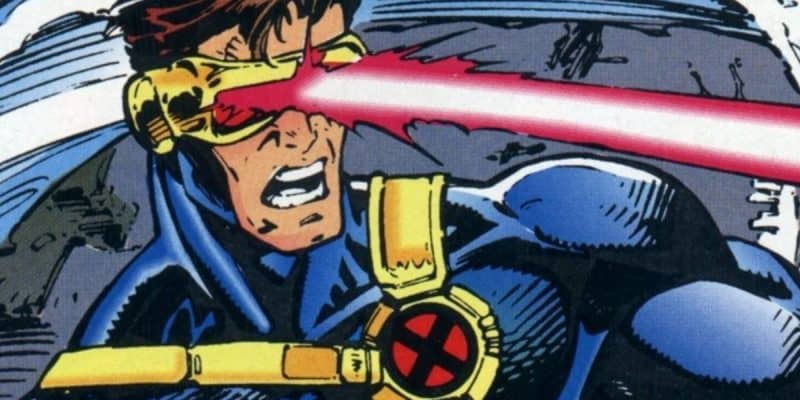
 Credit: Marvel Comics
For years, Marvel fans have lived in a strange in-between space. The X-Men existed. The MCU thrived. But the two never truly felt like they belonged to the same family. Now, after a recent slip-up that Marvel probably wishes had stayed quiet a little longer, it suddenly feels like that wall is about to come down.
Something big is clearly happening behind the scenes, and all signs point to Marvel officially welcoming the X-Men into the MCU fold in a way that actually matters.
Not a cameo. Not a tease. A real merge.
And it all seems to start with Avengers: Doomsday (2026).
Avengers: Doomsday Is Quietly Becoming Marvel’s Biggest Crossover Ever
Marvel has been careful with details surrounding Avengers: Doomsday (2026), but one thing is no longer up for debate: this movie is massive. It’s shaping up to have one of the largest casts in Marvel history, and it isn’t limiting itself to heroes we already know from the MCU.
This is where things get interesting.
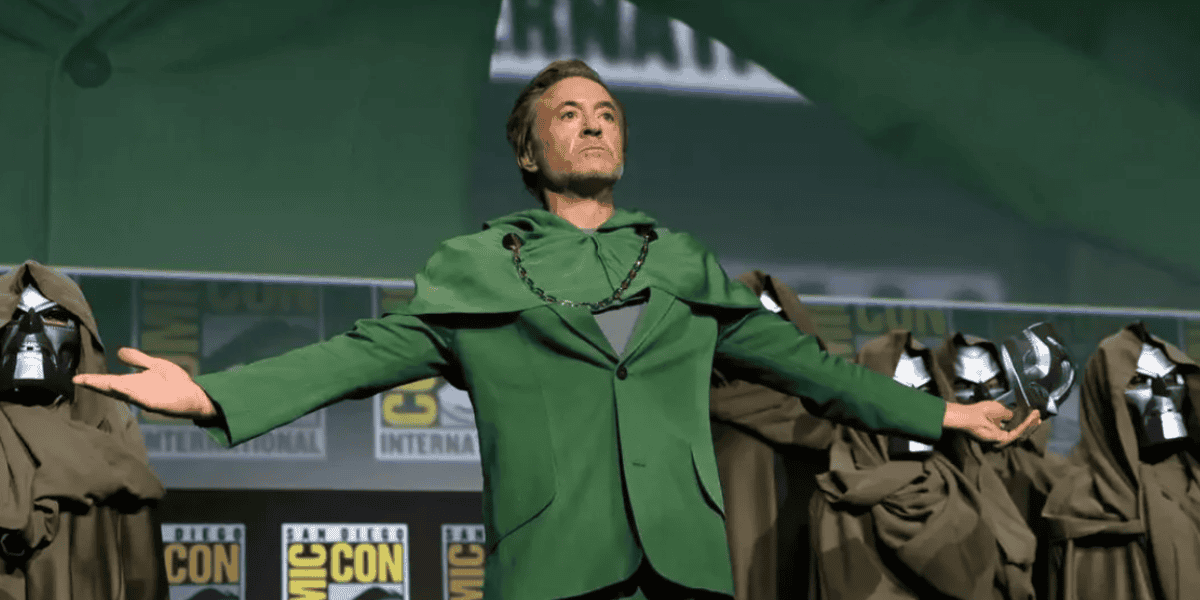
In addition to familiar Avengers faces, Doomsday pulls in characters from legacy Marvel films, signaling that Marvel Studios isn’t interested in keeping the X-Men off to the side anymore. Instead, they’re positioning them directly in the middle of the action, alongside the Avengers, the Fantastic Four, and whatever chaos Doctor Doom brings with him.
That choice alone suggests Marvel is done treating the X-Men as a future project. This is the moment they step fully into the spotlight.
The X-Men Lineup Confirmed for the MCU Event
What really set the fandom buzzing wasn’t just the scale of Doomsday, but precisely who is confirmed to appear. Marvel didn’t just dip a toe into the X-Men pool—they dove straight in.
Several major X-Men characters are officially returning, portrayed by the actors who defined them:
-
Professor X (Patrick Stewart)
-
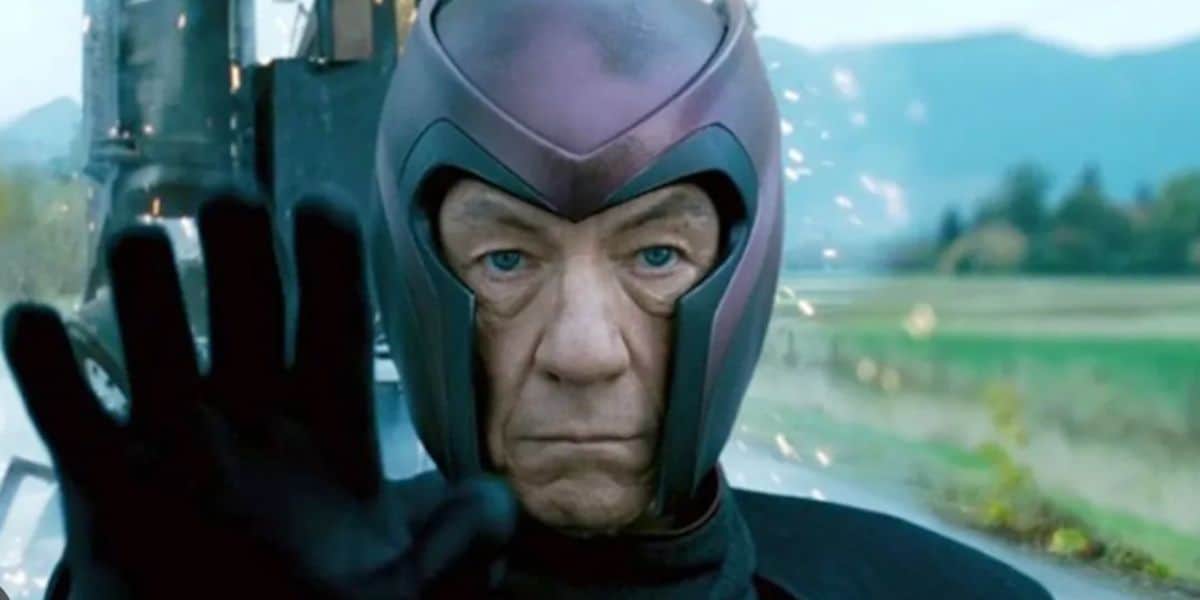
Magneto (Ian McKellen)
-
Cyclops (James Marsden)
-
Mystique (Rebecca Romijn)
-
Nightcrawler (Alan Cumming)
-
Beast (Kelsey Grammer)
That list alone changes the conversation. These aren’t background appearances. These are core X-Men figures, many of whom were leaders or emotional anchors in the original films. Marvel is clearly using them to help bridge eras, not just acknowledge the past.
James Marsden’s Comments
Among everyone involved, James Marsden has offered the most transparent window into what Marvel might be building. Speaking recently about returning as Cyclops, he didn’t just talk about nostalgia. He talked about timing.
Marsden pointed out how long it’s been since he last played Scott Summers and admitted he wasn’t sure he’d ever get the chance again. Years passed. Then decades. Eventually, it felt like that chapter had closed. Now, suddenly, Marvel is calling everyone back.
What stood out most was his comment about “worlds colliding.” He described a sense that this project feels different, as if the audience—and the industry—are finally ready for something on this scale. He even joked that maybe Marvel was just waiting for everyone to get a little older before making it happen.
That phrasing matters. It doesn’t sound like a quick reunion. It sounds like an intention.

Why “Worlds Colliding” Means More Than a Fun Crossover
Marsden’s choice of words wasn’t accidental. “Worlds colliding” carries weight in the MCU, especially after Doctor Strange in the Multiverse of Madness (2022). That film introduced the idea of Incursions—events where universes crash into one another, often with catastrophic consequences.
Fans already saw what happens when an Incursion goes wrong. Entire realities fade away. Color drains from the world. Everything collapses.
With Avengers: Doomsday (2026) bringing Doctor Doom into the picture, it’s easy to see how that concept could escalate fast. Doom meddling with the Multiverse doesn’t just threaten one timeline—it threatens all of them.
If the X-Men’s universe collides with the MCU’s, that collision doesn’t just introduce mutants. It forces Marvel to decide which worlds survive and which ones don’t.

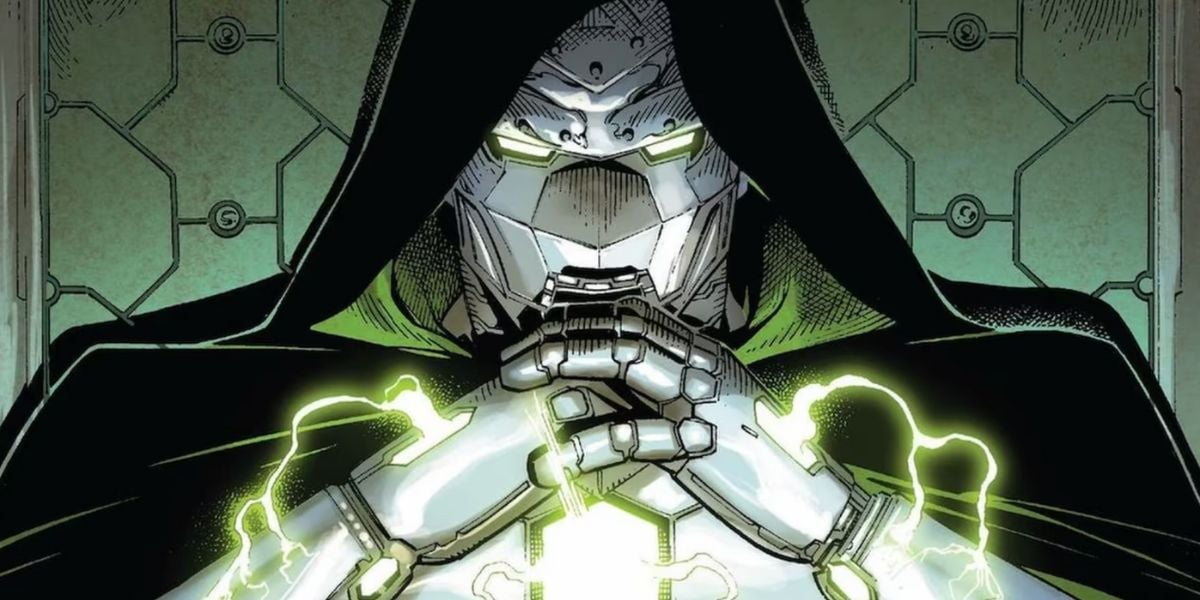
Doctor Doom Changes the Stakes for Everyone
Unlike past MCU villains, Doctor Doom isn’t just powerful—he’s strategic. If he’s actively manipulating the Multiverse, Incursions stop being accidents and start becoming weapons.
That opens the door for something Marvel hasn’t entirely done yet: forcing heroes from different universes to fight together not because they want to, but because they have no other option.
Avengers, X-Men, Fantastic Four—it stops being about separate franchises and becomes one shared survival story. That’s a very different approach from sidelining mutants into standalone projects.
Cyclops’ Crucial Role
Cyclops isn’t just another returning character. Within the X-Men, he’s a tactician and a leader. If Doomsday leans heavily into Incursions and collapsing universes, someone with experience leading a fractured team through impossible choices suddenly becomes very important.
Marsden’s familiarity with the character—and his emphasis on collision—suggests Cyclops won’t just be present. He’ll be relevant.
And that relevance signals Marvel’s long game.
The X-Men Aren’t Being Parked on the Side Anymore
For a while, fans worried Marvel might tuck the X-Men away into their own corner, separate from the main MCU narrative. Avengers: Doomsday (2026) strongly suggests the opposite.
This isn’t a handoff. It’s an integration.
Marvel appears ready to let mutants stand shoulder to shoulder with its biggest heroes, shaping the future instead of reacting to it. If Doomsday truly delivers on its promises, the MCU won’t just expand—it’ll fundamentally change.
This Feels Like the Real Beginning
After years of speculation, hints, and near-misses, Avengers: Doomsday (2026) finally feels like the moment Marvel commits. Not to nostalgia. Not to fan service. But to build a shared universe where the X-Men matter just as much as the Avengers.
If worlds really are about to collide, the MCU may never look the same again—and honestly, that’s precisely what it needs.