2
2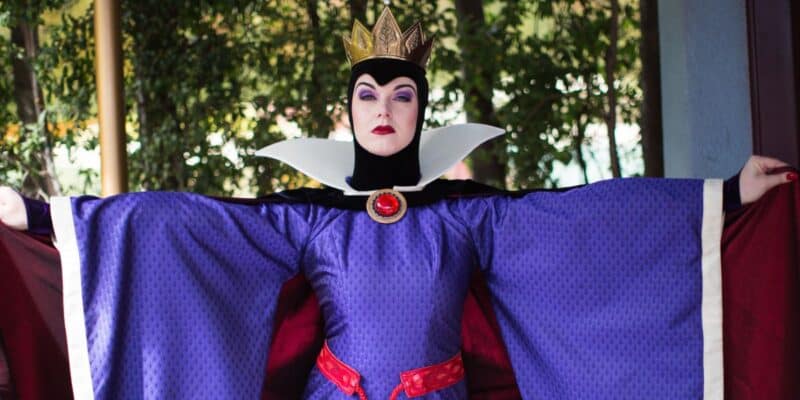
 Credit: Looseey, Flickr
For decades, The Walt Disney Company has maintained a legendary “omertà”—a code of silence enforced upon its employees, known internally as Cast Members. From the moment a new hire steps into “Traditions” training, they are taught that the “magic” must never be broken. You don’t “play” Mickey Mouse; you know him. You don’t have a job; you have a “role.” And above all, you never, ever talk about what happens behind the scenes.

But in 2026, the curtain is being pulled back. Driven by viral social media moments, a shift in labor consciousness, and an increasingly volatile guest population, Cast Members are finally speaking out. The latest catalyst for this conversation? A viral report involving one of Disneyland’s most iconic villains.
The Evil Queen Incident: A Catalyst for Conversation
The current firestorm began with a viral social media video suggesting that Disneyland fired a popular actress who played the Evil Queen. According to Inside the Magic, fans started noticing the absence of a performer who had built a massive following for her sharp wit and perfect “in-character” disdain.
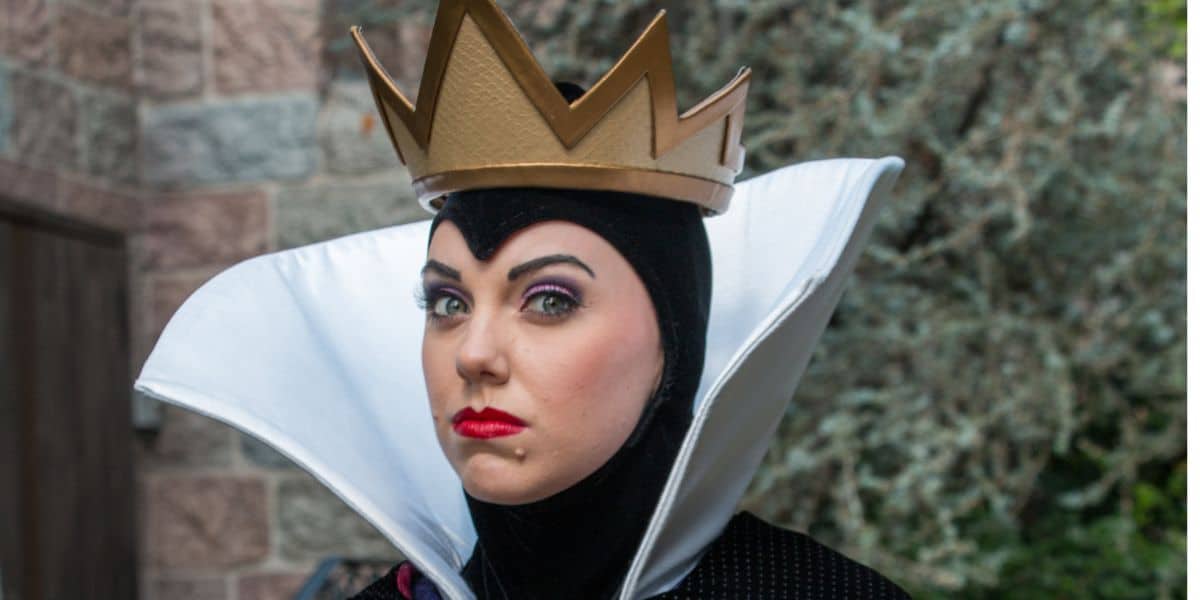
While Disney rarely comments on individual personnel matters, the speculation alone was enough to ignite a broader debate. For years, “face characters”—performers who play roles like Cinderella, Peter Pan, or the Evil Queen—have lived in a precarious state. They are the face of the brand, yet they are often subject to strict “look-alike” audits, aging-out policies, and the constant threat of being “disenchanted” (fired) for minor infractions.
The “Evil Queen” rumors have acted as a lightning rod, prompting other performers and Cast Members to take to platforms like TikTok and X (formerly Twitter) to discuss the reality of wearing the crown—or the ears.
The End of the “Disney Omertà”
The “Disney magic” has always relied on the invisibility of the worker. We aren’t supposed to think about the person sweating inside a 40-pound Goofy suit in 95-degree Florida humidity, or the server at Be Our Guest who just worked a double shift on their feet.
However, social media has changed the game. As noted by UncleWalt1971 on X, more Cast Members are starting to “pull back the curtain” to discuss the physical and mental toll of their roles. They are no longer content being anonymous stage props in someone else’s vacation photos.
“Cast Members are starting to talk more about their roles and how Disney and guests treat them,” the tweet observes. This isn’t just about complaining; it’s about a fundamental shift in how theme park employees view themselves. They are professionals in a high-stress, high-stakes environment, and they are beginning to demand the respect that comes with that reality.
The Guest Problem: “Main Character Syndrome” in the Parks
Perhaps the most significant factor driving Cast Members to speak out is the changing behavior of the guests themselves. Since the parks reopened following the pandemic, “guest entitlement” has reached an all-time high.
Disney vacations in 2026 are more expensive than ever. Between high-tier Magic Key passes, Lightning Lane Premier Pass costs, and rising food prices, many guests arrive at the parks with a “Main Character” mindset. They have paid thousands of dollars, and they expect the world to bend to their will.
Kayla.g21 highlighted this dynamic on X, noting the toxic relationship between high expectations and employee treatment. “Disney fans are some of the most entitled people on the planet,” the tweet suggests, pointing out that when a guest feels they haven’t received “value” for their money, the cast member is the first person they take it out on.
Performers, particularly face characters like the Evil Queen and Disney Princesses, face unique challenges. They are often subjected to:

- Inappropriate comments: Guests frequently test boundaries, making suggestive remarks to female performers.
- Physical boundary-crossing: “Hugs” that turn into inappropriate touching.
- Viral baiting: Guests who try to “break” the character or record them in hopes of catching a mistake that will go viral on TikTok.
The Corporate Problem: The “Guest is Always Right” Fallacy
While guest behavior is a significant issue, Cast Members are also pointing the finger at Disney corporate. For years, the company’s internal mantra has been to de-escalate at all costs. Often, this results in the “guest is always right” mentality, even when the guest is being abusive.

Cast Members have reported instances where a guest screamed at them or even physically threatened them, only for a manager to step in and give the guest a “Lightning Lane” pass or a free meal to keep them happy. This “rewarding of bad behavior” leaves employees feeling unsupported and expendable.
Furthermore, the “Evil Queen firing” highlights the lack of job security. In this new Disney era, the company is leaning heavily on its IP (Intellectual Property). The performers are seen as interchangeable parts of that IP. If a performer becomes “too popular” on social media or begins to overshadow the character itself, they are often let go to ensure the “character” remains the star, not the person.
The Mental Toll of the “Smile”
The term “emotional labor” was practically invented for Disney Cast Members. They are required to maintain a state of “aggressive friendliness” regardless of what is happening in their personal lives or how the public is treating them.

“You have to leave your soul at the tunnel entrance,” one former Florida cast member recently shared on a subreddit dedicated to theme park workers. “If you aren’t smiling, you’re failing. But after eight hours of being yelled at because the Monorail is down or it’s raining, that smile feels like a mask made of lead.”
The cost of living compounds this mental toll. In both Anaheim and Orlando, the gap between cast member wages and local rent prices has become a chasm. When you can’t afford to live in the city where you work, being told to “create magic” for people who are spending your monthly salary on a three-day weekend becomes a bitter pill to swallow.
The Future: A New Deal for the Magic?
What does this mean for the future of Disney Parks? We are seeing a rise in union activity and a more vocal “Cast Member Alumni” community that is educating new hires on their rights.

The “Evil Queen” situation at Disneyland is a reminder that the fans are watching. Disney fans are incredibly loyal to the performers they love, and when the company treats those performers like disposable assets, the backlash is swift.
The conversation, sparked by influencers and workers on X and TikTok, is forcing a reckoning. If Disney wants to maintain the “gold standard” of guest service, it must address the “labor standard” first. Guests, too, are being called out. The trend of “CM Appreciation” is growing, with fans encouraging others to bring thank-you cards or small gifts to the parks, but the underlying issue remains systemic.
Conclusion: Respect the Role, Respect the Person
The next time you walk down Main Street, U.S.A., remember that the person waving at you is more than just a character. They are a worker navigating a complex web of corporate expectations and guest volatility.
The rumors of the Evil Queen’s firing may or may not be the whole story, but they have served a vital purpose: they have reminded us that without the Cast Members, there is no magic. As the “curtain” continues to stay open in 2026, the message from the front lines is clear: The magic is worth saving, but not at the expense of the people who create it.