1
1
 Credit: Inside the Magic
Security at large-scale sporting events has evolved dramatically over the past decade, with law enforcement agencies incorporating technology that would have seemed like science fiction not long ago.
When thousands of runners gather for races that weave through city streets, event organizers must balance participant safety with crowd management, medical response coordination, and overall security monitoring across courses that can span dozens of miles.
Traditional security approaches relying solely on ground-level personnel and stationary cameras leave significant gaps in coverage, particularly for events covering extensive geographic areas with multiple access points and constantly moving participants.
Modern drone technology addresses these limitations by providing real-time aerial surveillance that allows security teams to monitor entire race courses simultaneously, identify potential issues before they escalate, and coordinate responses across sprawling event footprints.
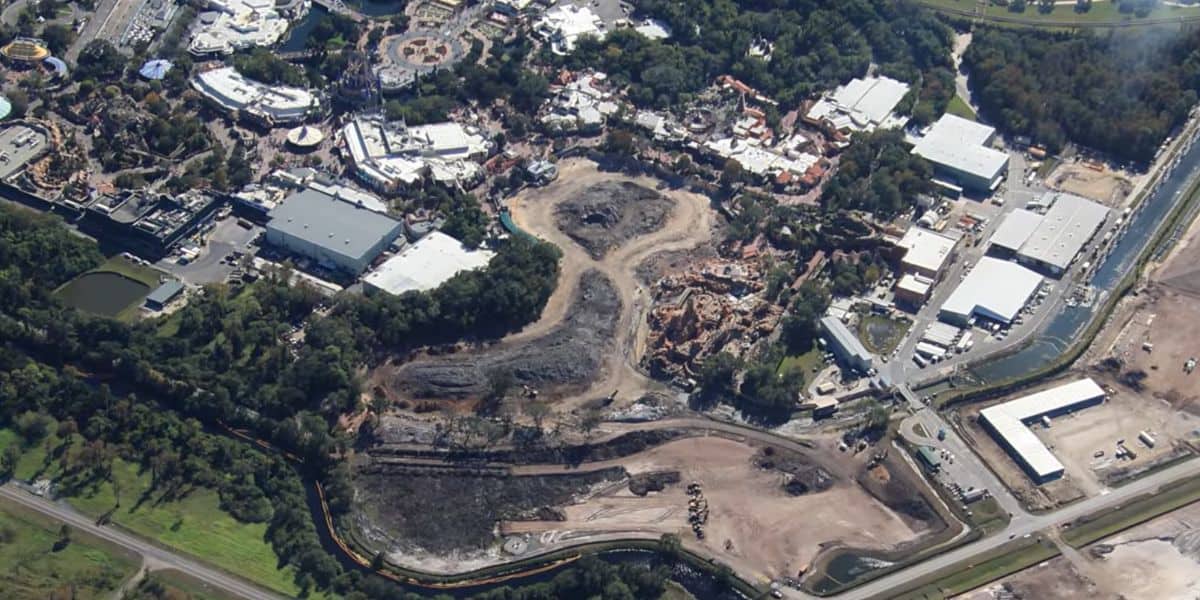
This weekend, the Orange County Sheriff’s Office introduced drone surveillance to Walt Disney World Marathon Weekend for the first time in the event’s history. The decision to deploy aerial monitoring represents a significant evolution in how law enforcement approaches security for runDisney events, which present unique challenges due to their routes through theme parks, backstage areas, and temporarily closed roadways across Disney property.
Understanding why this technology matters for runner safety and what it means for future runDisney events provides important context for both regular race participants and guests who might encounter road closures during marathon weekends.
First-Time Drone Deployment
The 2026 Walt Disney World Marathon Weekend marked the inaugural use of drone technology for security monitoring at runDisney races. Four drone pilots from the Orange County Sheriff’s Office worked the event with proper authorization from the Federal Aviation Administration, necessary because drones are typically prohibited on Walt Disney World property under normal circumstances.
Corporal Andrew Pupo, one of the drone pilots assigned to the event, captured aerial footage of all four Walt Disney World theme parks and the thousands of runners navigating the various race courses.
The images shared by the Orange County Sheriff’s Office showcase the unique vantage point drones provide, offering comprehensive views of runner distribution, crowd concentrations, and overall course conditions that would be impossible to achieve from ground level alone.
The marathon weekend consisted of four separate races held from January 8 through January 11: a 5K, 10K, Half Marathon, and full Marathon. Each race followed routes that took participants through theme parks, into backstage areas guests don’t normally access, and along roadways that required temporary closures to vehicle traffic. This complex routing creates security challenges that benefit significantly from aerial monitoring capabilities.
Why Drone Security Matters for Marathon Weekend
Walt Disney World Marathon Weekend requires extensive road closures across Disney property to accommodate safe race routes. Major roadways that normally carry thousands of vehicles daily must be completely shut down for hours at a time, creating unusual traffic patterns and access limitations throughout the resort.
Runners occupy roads typically used by cars, buses, and emergency vehicles, fundamentally changing how security personnel must monitor and manage these areas.
Traditional security approaches for these events rely heavily on personnel stationed at key points along the route, supplemented by fixed cameras and mobile patrols. While effective for addressing immediate situations within limited viewing ranges, these methods struggle to provide comprehensive situational awareness across the entire course simultaneously.
A security issue developing at one location might not be visible to personnel stationed elsewhere until it escalates into a more serious situation.
Drone surveillance addresses this limitation by allowing security coordinators to maintain constant aerial oversight of the entire event. Drones can quickly move between locations, zoom in on specific areas requiring closer attention, and provide real-time intelligence to ground personnel who can respond to developing situations before they become emergencies.
For an event spanning multiple miles through complex environments like theme parks and backstage areas, this bird’s-eye perspective proves invaluable.
Heightened Security Context

The decision to implement drone surveillance for the 2026 marathon weekend occurs against a backdrop of heightened security awareness across Walt Disney World property. The resort has already experienced two fatalities in 2026, both occurring at Disney Springs in early January.
While these tragic incidents were unrelated to runDisney events, they underscore the reality that even carefully managed environments face security challenges requiring constant vigilance and evolving approaches.
When thousands of runners occupy roadways and move through theme parks during marathon events, the security considerations multiply significantly. Participants run in areas where vehicles normally operate, creating potential conflict points if road closures aren’t perfectly coordinated.
Runners access backstage areas containing equipment, vehicles, and infrastructure not designed for public interaction. Medical emergencies can occur anywhere along lengthy courses, requiring rapid response capabilities.
Drone technology enhances law enforcement’s ability to manage these complex security scenarios. If a runner experiences a medical emergency in a backstage area, drones can quickly locate the exact position and guide emergency responders to the scene via the fastest route.
If unauthorized vehicles somehow enter closed roadways, aerial surveillance can identify the breach immediately and coordinate interception before collision risks materialize. If crowd density becomes problematic at water stations or transition points, security coordinators can adjust ground personnel deployment based on real-time aerial intelligence.
Federal Authorization and Disney’s Drone Policy
The FAA authorization required for the Orange County Sheriff’s Office to operate drones during marathon weekend highlights the strict controls governing airspace above Walt Disney World. Under normal circumstances, flying drones on Disney property is prohibited, a policy the company enforces to protect guest privacy, prevent interference with attractions, and maintain the immersive environments the parks are designed to create.
Law enforcement use during major events like marathon weekend represents a specific exception to this general prohibition. The FAA evaluated the security benefits, operational plans, and safety protocols before authorizing the four drone pilots to conduct surveillance during race days.
This approval process ensures that even when drones operate above Disney property, they do so under controlled circumstances with proper oversight and coordination between law enforcement, Disney security, and federal aviation authorities.
The fact that this technology required special authorization rather than routine deployment speaks to how seriously both Disney and regulatory agencies take airspace management over the resort. Guests should not expect to see drones routinely operating above theme parks during normal operations. Marathon weekend represents a unique situation where security needs justified the temporary exception to standard policies.
The successful implementation of drone surveillance during the 2026 Walt Disney World Marathon Weekend will likely influence security planning for future runDisney events. If the technology proves effective for managing the complex security scenarios these races present, expanding its use to other marathon weekends and potentially other large-scale Disney events becomes a logical progression.
For runners who participated in the 2026 races, the drone presence may have been barely noticeable if you were focused on your performance rather than looking up at the sky. That’s precisely the point.
Effective security enhancement should improve safety without creating intrusive, disruptive experiences for participants trying to enjoy their races. Drone surveillance achieves this balance by operating at altitudes and distances that don’t interfere with the event itself while still providing comprehensive monitoring capabilities.
Did you run in any of the 2026 Walt Disney World Marathon Weekend races? We’d love to hear about your experience. Did you notice the drone surveillance at all during your race, or were you too focused on hitting your personal best to look up? Drop a comment and share your thoughts on whether enhanced security monitoring makes you feel safer at these events or if you have concerns about privacy and surveillance.
And if you’ve run past Disney marathons, tell us how this year compared to previous race experiences. Your perspective matters because these security decisions ultimately aim to protect participants like you.