20
20
 Credit: Universal Orlando Resort
The grand opening of Universal’s Epic Universe was supposed to be a milestone for Florida tourism, but for one family, the “world’s most immersive theme park” quickly turned into a legal nightmare. A recent incident involving a 10-year-old boy with autism, a Mario keychain, and a shoplifting accusation has sparked a massive debate over how major theme parks handle neurodivergent guests.
Now, with the heavy-hitting law firm Morgan & Morgan stepping into the fray, the conversation is shifting from a “misunderstanding” to a systemic failure in theme park security training.
The Incident: A Dream Trip Turned Into a Trespass Order
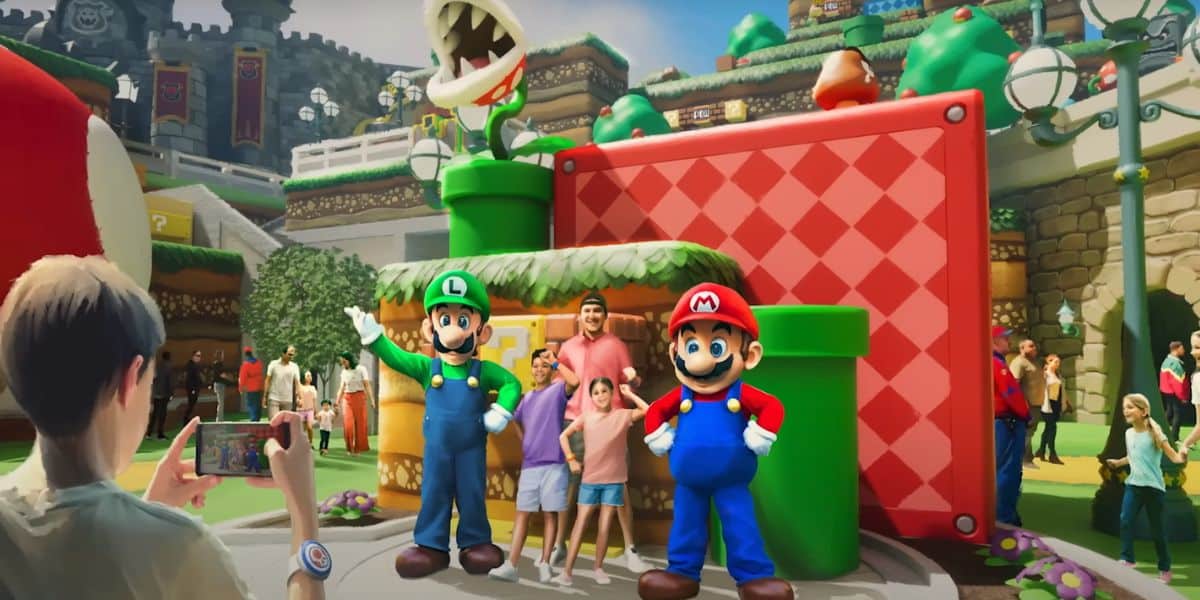
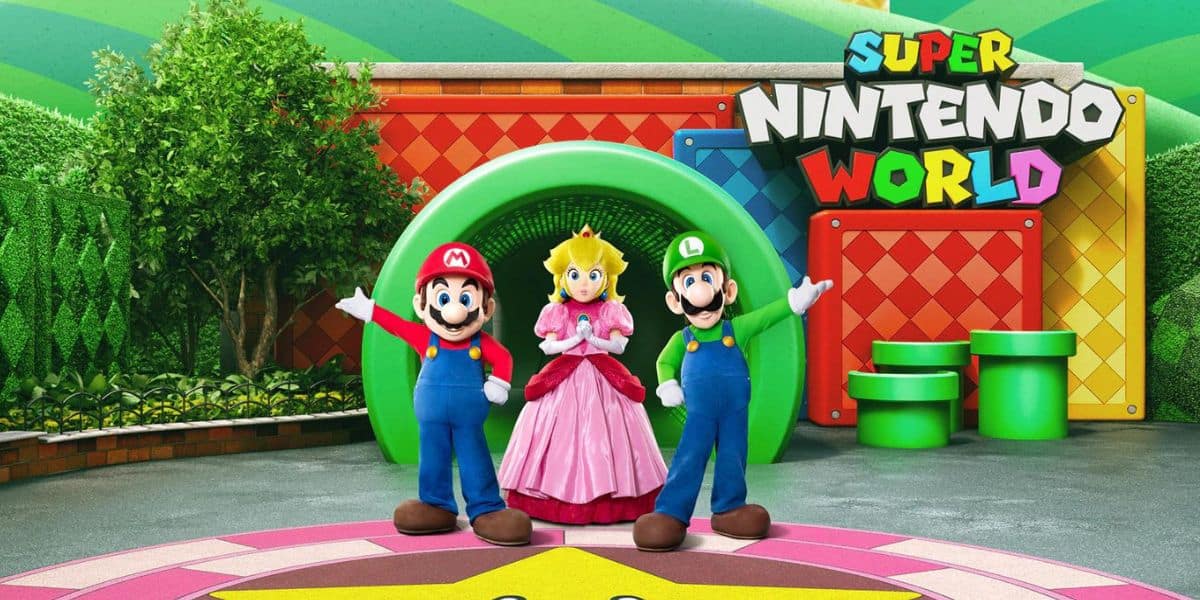
As reported by ClickOrlando and Florida Politics, the incident took place within the highly anticipated SUPER NINTENDO WORLD at Epic Universe. The family was browsing a gift shop when their 10-year-old son, who has autism, picked up a Mario keychain.
According to the family, the child was using the item as a sensory tool—a common behavior for children on the spectrum who find comfort in tactile objects. However, Universal staff and security viewed the situation through a much narrower lens. The family alleges that despite their attempts to explain the situation and pay for the item, they were met with immediate hostility.
The situation escalated rapidly. Instead of a de-escalation protocol, the family was accused of shoplifting, escorted from the premises, and issued a permanent trespass order, effectively banning them from all Universal Orlando properties.
The “Invisible Disability” Gap in Theme Park Training
This case highlights an “alarming” problem within the theme park industry: the lack of specialized training for front-line employees and security teams when dealing with hidden disabilities like autism.
For many children with autism, a gift shop is a sensory minefield. The bright lights, loud noises, and rows of colorful merchandise can lead to “stimming” or sensory-seeking behaviors. Picking up an object and holding it tightly is often a coping mechanism, not a criminal intent.
Common issues cited by advocates include:
- Lack of De-escalation: Security teams often prioritize “loss prevention” over guest relations, leading to aggressive confrontations that can traumatize a neurodivergent child.
- Misinterpretation of Cues: A child who avoids eye contact or fails to respond to verbal commands from security is often perceived as “disobedient” rather than as a symptom of a sensory processing disorder.
- Strict Policy vs. Human Empathy: Standard “zero-tolerance” shoplifting policies fail to account for the nuances of neurodiversity.
Morgan & Morgan Takes on the “Epic” Giant
The legal battle, spearheaded by the powerhouse firm Morgan & Morgan, aims to hold Universal accountable for what they describe as an egregious overreaction. The lawsuit focuses on the emotional distress caused to the child and the family’s removal from the park without due process or consideration for the child’s disability.
John Morgan, the firm’s founder, has been vocal about the need for major corporations to respect the rights of people with disabilities. By taking this case, Morgan & Morgan is signaling to the theme park industry that “standard operating procedures” are no excuse for a lack of basic empathy and awareness.
What This Means for Families Visiting Orlando in 2026
As Epic Universe continues its inaugural year, this controversy serves as a warning for families traveling with neurodivergent children. While Disney and Universal offer Disability Access Service (DAS) programs, those programs often focus on ride wait times rather than staff interactions in retail or dining locations.

Tips for families navigating theme park gift shops:
- Identify the Disability: Some families use “Hidden Disability” sunflower lanyards to alert staff to non-obvious conditions.
- Carry Documentation: Although parks cannot legally require medical records for entry, having a doctor’s note can sometimes help de-escalate a security situation.
- Know Your Rights: If a misunderstanding occurs, ask for a “Guest Relations Manager” or a “Social Responsibility Coordinator” instead of engaging solely with security personnel.
Conclusion: A Call for Change
The Epic Universe Mario keychain incident is more than just a dispute over a $10 souvenir; it is a catalyst for change. As theme parks become more immersive and crowded, the need for comprehensive autism awareness training is no longer optional—it is essential.
Universal Orlando now finds itself in the middle of a PR and legal storm. Whether they will use this as an opportunity to update their training protocols or continue the fight against this family remains to be seen. One thing is certain: the eyes of the neurodivergent community—and Morgan & Morgan—are watching.
Do you think theme park security should receive mandatory training on how to interact with children with autism? Let us know your thoughts in the comments.