2
2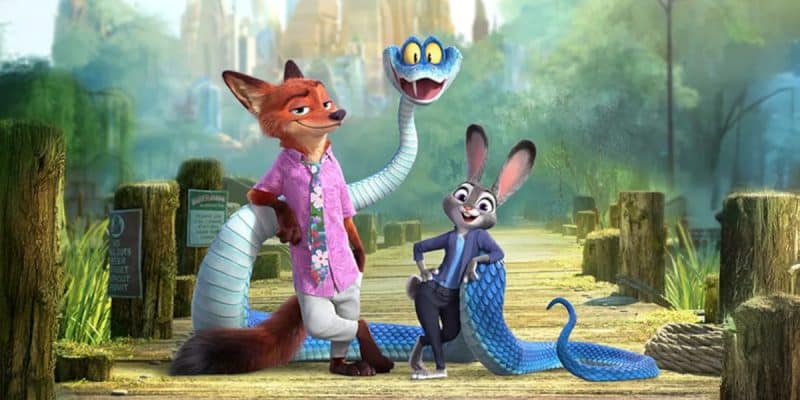
 Credit: Disney
Disney hasn’t exactly been subtle lately. For months, the company has been nudging fans with hints, comments, and carefully worded interviews that made it clear the Zootopia universe wasn’t done growing. Most people assumed the next step would come eventually—but few expected how quickly the conversation would shift.
Now, after a massive box office win, Disney has shared an update about Zootopia 3 that has left some fans excited… and others more than a little uneasy.
On the surface, it appears to be great news. Another sequel. Another return to a world audiences clearly love. But once you dig a little deeper, the reaction makes a lot more sense.
Disney’s Never-Ending Love Affair With Sequels
At this point, Disney’s strategy is no secret. The studio has leaned hard into sequels, spin-offs, and live-action reimaginings over the last decade. From animated follow-ups to reworked classics, the company has made it clear that familiar worlds feel safer than brand-new risks.
Sometimes that approach works beautifully. At other times, it sparks debates about creativity, originality, and whether stories are being told because they need to be, or because they’re profitable. For longtime fans, it can feel like Disney rarely lets a story end on its own terms anymore.
That broader trend matters here because Zootopia now sits firmly inside Disney’s most valuable franchises. Once something reaches that level, it’s rarely treated as a one-off.

Why Zootopia Was Never “Just One Movie”
When Zootopia (2016) was released, it surprised many people. On paper, it was a buddy-cop animated film about animals. In practice, it tackled prejudice, power, and social fear in a way that felt unusually sharp for a Disney animated release.
Judy Hopps and Nick Wilde didn’t just solve a mystery—they navigated a city built on assumptions and quiet divisions. That depth is a big reason the movie stuck with audiences long after its theatrical run ended.
Zootopia 2 (2025) expanded that foundation rather than simply repeating it. Instead of rehashing the same message, the sequel widened the lens, exploring how Zootopia functions on a larger scale and how its characters change when the stakes get bigger. The world felt more profound, more lived-in, and more complex—something Disney Animation doesn’t always manage with sequels.

The Box Office Win That Changed Everything
Financially, Zootopia 2 didn’t just succeed—it dominated. As of early January 2026, the film has passed $1.5 billion globally, making it the highest-grossing release in the history of Walt Disney Animation Studios. It crossed the $1 billion mark in under three weeks and generated more than $1.1 billion internationally, with a robust performance in China, where it earned over $500 million.
That kind of success doesn’t just validate a sequel. It practically guarantees another one.
For Disney, numbers like that send an obvious message: audiences want more Zootopia, and they’re willing to show up in massive numbers to get it.
Disney Confirms Zootopia 3 Is Already in Motion
Following that success, conversations around Zootopia 3 moved from speculation to confirmation. Leadership at Walt Disney Animation Studios has openly acknowledged that a third film is in development and that early work has already begun.
What surprised fans wasn’t that a sequel is coming—it was how soon Disney plans to move forward. After waiting nine years between the first two films, the studio has made it clear the next gap will be significantly shorter. The creative team has already entered the early idea phase, which typically leads into a complete production cycle lasting around five years.
In other words, Zootopia 3 isn’t a distant dream. It’s an active project.

Why a Faster Timeline Makes Some Fans Nervous
This is where the controversy really kicks in. A shorter gap sounds excellent on paper, but many fans worry it signals a shift in priorities. The long wait between Zootopia (2016) and Zootopia 2 (2025) allowed the story, themes, and world-building to feel thoughtful and carefully constructed.
Rushing that process—even slightly—raises concerns about sequel fatigue. Disney has already faced criticism for rushing its franchises, sometimes at the expense of emotional weight or narrative detail. Fans fear Zootopia 3 could start feeling less like a passion project and more like a production-line entry.
There’s also the question of whether the franchise still has something meaningful to say. The first two films resonated because they balanced entertainment with commentary. Doing that well takes time.

What This Means for the Bigger Zootopia Universe
Beyond the movies, Zootopia has become a visible part of Disney’s theme park strategy, especially with expansions tied to Walt Disney World and international parks. If Zootopia 3 arrives too soon—or if it signals the end of the story—those additions (like Disney World’s Zootopia: Better Zoogether! 4D show) could risk feeling repetitive sooner than expected.
Franchises tend to age differently when content floods the market. What feels fresh and exciting now can feel overexposed surprisingly fast. For a world as carefully crafted as Zootopia, that’s a genuine concern.

Disney’s Balancing Act Moving Forward
Disney now finds itself walking a familiar tightrope. On one side is enormous financial success. On the other hand is the creative goodwill that made Zootopia special in the first place. The studio has an opportunity to prove that speed doesn’t have to mean shortcuts—but fans are watching closely.
Whether Zootopia 3 becomes a triumphant continuation or a cautionary tale will depend on how carefully Disney handles the time between now and release.
For now, one thing is clear: Zootopia isn’t slowing down anytime soon. The question is whether it can keep its heart intact while racing ahead.
So, what did you think about Zootopia 2 (2025)? Did it earn a faster sequel—or should Disney take its time once again?