9
9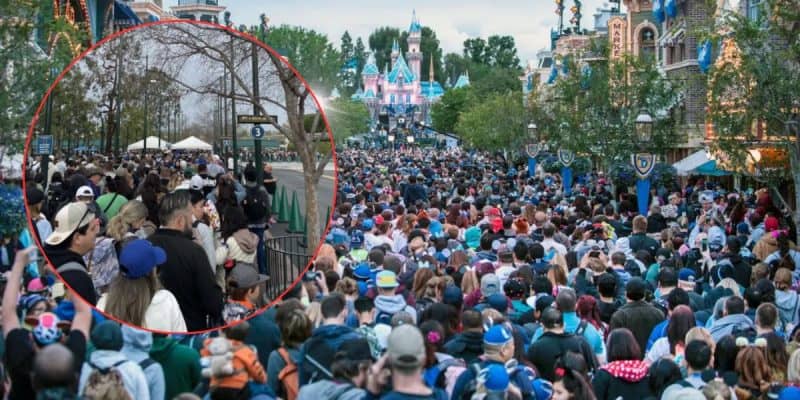
 Credit: Inside the Magic
The first Tuesday of 2026 brought absolute mayhem to Disney parks on both coasts as collectors descended on merchandise locations for the monthly pin drop.
What should be a straightforward merchandise release has evolved into such a competitive event that Disneyland Resort implemented a wristband system to prevent line cutting, while Walt Disney World saw massive queues forming at Animal Kingdom and other locations.
The scenes unfolding at both resorts demonstrate how Disney pin trading has transformed from a casual hobby into a serious collecting pursuit that generates crowd management challenges rivaling major attraction openings or limited-time food releases.

For those unfamiliar with the phenomenon, Disney releases limited edition pins on the first Tuesday of each month at both Disneyland and Walt Disney World. These releases, known as pin drops, feature designs that quickly sell out and often appreciate significantly in value on the secondary market.
Collectors arrive hours before park opening to secure positions in line, hoping to purchase pins before inventory runs out. The competition has intensified to the point where Disney now faces the same operational challenges with pin releases that it typically encounters with high-demand merchandise like Spirit Jerseys or exclusive popcorn buckets.
The January 6, 2026 pin drop represented the first release of the new year, which likely contributed to elevated demand as collectors sought to start their 2026 collections.
The combination of pent-up demand from the holiday period, the symbolic significance of the first drop of the year, and whatever designs Disney chose to release created perfect storm conditions that overwhelmed normal merchandise operations at multiple locations.
Social media documentation from both coasts reveals just how intense the situation became, with Disneyland resorting to crowd control measures not typically associated with pin releases and Walt Disney World locations experiencing line lengths that disrupted regular park operations.
Disneyland Implements Wristband System
Matt, who posts as DisneyScoopGuy on X (formerly Twitter), documented Disneyland’s response to the pin drop chaos by sharing that the resort was distributing wristbands to manage the crowds. The wristband system serves a specific purpose: preventing line cutting, which has apparently become enough of a problem during pin drops that Disney felt compelled to implement a formal queue management solution.
Disneyland is giving out wristbands for today’s pin drop to prevent line cutting! pic.twitter.com/2JUz8jNPuo
— Matt (@DisneyScoopGuy) January 6, 2026
Wristbands at Disney parks typically indicate that demand for an experience or product has exceeded normal operational capacity. When Disney distributes wristbands, it’s essentially creating a virtual queue system that allows guests to hold their place in line without physically standing in that line for extended periods.
This approach helps prevent the kind of aggressive line behavior that can occur when people have been waiting for hours and feel protective of their positions.
The fact that Disneyland deemed wristbands necessary for a pin release speaks volumes about how significant these events have become. Disney doesn’t implement these systems casually. They require additional cast member deployment, coordination between multiple departments, and careful management to ensure fairness.
The decision to use wristbands suggests Disneyland observed concerning crowd behavior during previous pin drops or anticipated problems based on the January 6 release’s expected popularity.
Line cutting has become a persistent issue at high-demand Disney merchandise releases. When pins sell out quickly and can be immediately resold online for profit, the stakes feel high enough that some collectors engage in aggressive behavior to secure better positions.
People who’ve waited hours understandably become frustrated when others attempt to cut ahead, creating tension that can escalate if not properly managed. Wristbands eliminate much of this conflict by establishing a clear, verifiable order that cast members can enforce.
Walt Disney World Sees Massive Queues
Meanwhile, at Walt Disney World, Princess Shannon documented extensive lines at Disney’s Animal Kingdom on Instagram, sharing video footage of the pin drop crowds. Animal Kingdom typically isn’t the first park that comes to mind for major merchandise events, as Magic Kingdom and EPCOT usually generate the largest crowds for limited releases.
The fact that Animal Kingdom experienced massive lines suggests the January 6 pin drop attracted collectors across all four parks, not just the traditional merchandise hotspots.
View this post on Instagram
The Animal Kingdom lines likely formed at locations like Island Mercantile or other shops that carry the monthly pin releases. These stores aren’t designed to handle the kind of sustained crowd surges that occur during pin drops, particularly first thing in the morning when collectors rush to secure inventory before it sells out.
Regular guests trying to shop for standard merchandise or simply pass through these areas find themselves caught in unexpected congestion that wasn’t apparent when they planned their day.
Walt Disney World’s size and multiple park structure create different challenges compared to Disneyland’s more compact layout. Collectors must choose which park to visit for the pin drop, as they can’t easily hop between locations if their first choice sells out.
This distributes crowds across multiple locations but also means each individual store might face unpredictable demand depending on where collectors decide to gather. Animal Kingdom experiencing massive lines suggests either that park received particularly desirable pin inventory or collectors anticipated lighter competition there compared to Magic Kingdom.
The Evolution of Pin Trading Culture
Disney pin trading launched as a casual, family-friendly activity that encouraged interaction between guests and cast members. The original concept involved collecting pins, displaying them on lanyards, and trading duplicates with other enthusiasts or cast members wearing trade lanyards. It was meant to be accessible, affordable, and social rather than competitive or investment-focused.
The monthly pin drops have gradually shifted that dynamic. Limited edition releases with artificial scarcity create collectible markets where resale values can significantly exceed original retail prices. This transformation attracts a different type of collector who views pins as commodities rather than casual souvenirs.
The result is the kind of intense competition visible in the January 6 chaos, where getting in line early and securing inventory becomes a strategic priority rather than a spontaneous decision.
Social media has amplified these dynamics by making it easy to track releases, coordinate collection efforts, and immediately list pins for resale. Collectors can see what’s available, where lines are forming, and what secondary market prices look like in real time. This information flow increases participation but also intensifies competition as more people pursue the same limited inventory.
Planning Around Pin Drops
For regular Disney guests who aren’t pin collectors, these monthly events create temporary disruptions that can affect touring plans. Merchandise locations experiencing pin drop crowds become difficult to navigate during the first few hours after park opening. If you need to pass through those areas or had planned to shop there, you might encounter unexpected congestion and long waits.
Knowing that pin drops occur on the first Tuesday of each month allows you to anticipate when these disruptions might happen and plan accordingly. If you’re visiting on a first Tuesday and don’t care about pins, consider visiting major merchandise locations later in the day after the initial rush subsides.
Conversely, if you are interested in collecting, understanding that competition will be intense and arriving early with realistic expectations helps avoid frustration.
The January 6 events at both Disneyland and Walt Disney World demonstrate that Disney is still working out how to manage these releases effectively. Wristbands at Disneyland represent one approach, but whether that system will become standard practice or was specific to this particular release remains to be seen.
Have you experienced the chaos of a Disney pin drop? Drop a comment and tell us about your experience trying to collect limited edition pins. Did you manage to get what you wanted, or did you arrive to find everything sold out? And for the collectors out there, what’s your strategy for these monthly releases? Do you show up hours early, or have you found other approaches that work better? We’d love to hear how people navigate these increasingly competitive merchandise events.