1
1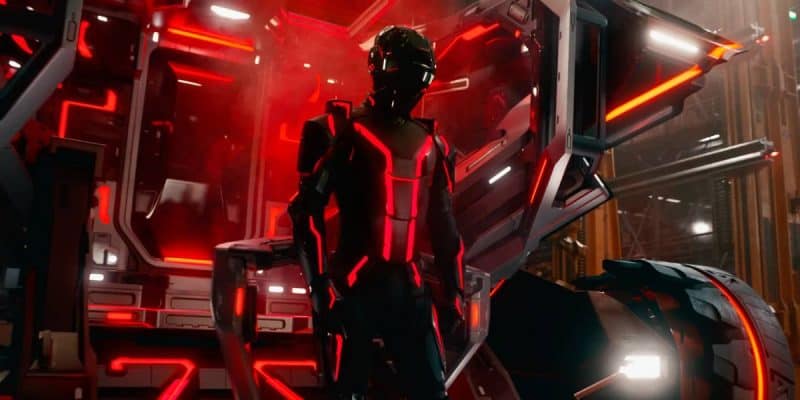
 Credit: Disney
The theatrical release of a major studio film is a big financial risk. Production companies spend hundreds of millions of dollars on making, marketing, and distributing the film. They hope that enough people will watch it to cover those costs and ideally make a profit that supports future projects. Disney has done very well with its franchises, including Marvel, Star Wars, and Pixar, generating billions at the box office over the last decade. However, not all films do well. When expensive films fail to attract audiences, studios may face significant financial problems, which could prompt them to reassess their investment strategies.
Tron: Ares represents a significant failure for Disney, arriving with a large budget and strong promotional efforts, including a themed overlay at Magic Kingdom. Despite these efforts, the film earned only $142 million worldwide against a production cost of around $348 million, resulting in substantial losses. The film received negative reviews and mixed audience reactions, contributing to its early release on Disney+ following a disappointing theatrical run.
Tron: Ares will start streaming on Disney+ on January 7, 2026. This will let subscribers watch the film without paying for theater tickets. The film did poorly at the box office, suggesting that many people waited for it to be available for streaming instead of paying to see it in theaters. This trend indicates that audiences are becoming more discerning about which movies are worth the cost and hassle of attending the theater versus waiting for them to be available at home. Disney’s quick decision to move the film to Disney+ also shows that they believe it won’t earn any more money in theaters. By streaming the film, they can reduce losses instead of leaving it in theaters, where it’s not generating much revenue.
The Box Office Disaster
The numbers tell a brutal story of theatrical failure. Tron: Ares cost approximately $348 million to produce, a massive budget that reflects extensive visual effects work, talent costs, marketing expenses, and all the other financial commitments required for a major science fiction spectacle film. The worldwide box office gross of $142 million represents less than half the production budget. When accounting for the fact that studios typically receive only a portion of box office revenue after theaters take their cut, the actual return to Disney was significantly lower than even that disappointing total.
Industry analysts generally consider a film needs to earn roughly two to three times its production budget to break even when accounting for marketing costs and revenue splits with theaters. By that standard, Tron: Ares would have needed to gross somewhere between $700 million and over $1 billion worldwide to be considered a financial success. Earning $142 million represents catastrophic underperformance that has surely ended any immediate plans for the Tron franchise expansion and called into question whether Disney will ever return to this property.
Why It Failed at the Box Office
Multiple factors contributed to Tron: Ares’s theatrical failure, creating a situation where audience disinterest combined with poor creative decisions and broader market conditions to sink the film’s commercial prospects.
The Tron franchise has never been a major commercial force despite its cultural significance and influence on science fiction aesthetics. The original 1982 film underperformed at the box office despite its groundbreaking visual effects and has become a cult classic rather than a mainstream hit. Tron: Legacy, in 2010, performed better financially and seemed to set up a future for the franchise, but Tron: Ares arrived years too late to capitalize on whatever momentum Legacy had generated. The decision to focus the new film on Jared Leto’s Ares character rather than continuing the stories of Sam Flynn and Quorra, who were set up for further adventures at the end of Legacy, alienated fans who wanted to see those characters return.
The absence of the actual Tron character represents another fundamental problem. There was no Tron in Tron: Ares, and arguably, there wasn’t really Tron in Tron: Legacy either, given that Rinzler was a corrupted version rather than the hero audiences remembered. Making a Tron movie without Tron feels like a fundamental misunderstanding of what fans want from the franchise.
Economic conditions also contributed to the failure. Inflation has made theatrical moviegoing expensive luxury rather than a casual entertainment option for many families. With holidays approaching when the film was released, audiences prioritized spending money on must-see theatrical releases, such as Wicked, or saving funds for upcoming titles like Zootopia 2, rather than taking a chance on the Tron sequel, which wasn’t generating positive buzz.
Disney also bears responsibility for training audiences to wait for streaming. The company’s aggressive push of theatrical releases to Disney+ with relatively short windows has taught subscribers that, unless a film feels absolutely essential to see in theaters, waiting a few months for streaming availability makes more financial sense. Tron: Ares clearly didn’t generate the must-see theatrical urgency that drives audiences to theaters immediately.
The Magic Kingdom Connection
Disney attempted to generate excitement for Tron: Ares by implementing a special overlay at the Tron Lightcycle / Run attraction at Magic Kingdom. The overlay, which debuted in September 2025, coinciding with the film’s theatrical release, transformed the attraction from its familiar blue and white aesthetic into a deep crimson battlefield of light and sound inspired by the new film’s cyber-warrior universe.
The ride’s luminous blue track and canopy lighting transformed to a red and black hue, radiating intensity across Tomorrowland. The on-ride photo received a redesigned visual motif reflecting the darker digital tone of Tron: Ares. Most dramatically, the attraction’s soundtrack changed from the ethereal Daft Punk-inspired score to an aggressive mix from the Tron: Ares Nine Inch Nails soundtrack, blended with new Master Control narration that declared, “Detecting malicious code. No concern. I am Master Control and have taken over… The grid is now mine.”

According to Cast Members, the Tron: Ares overlay is scheduled to end in January 2026, though the exact date has not been confirmed. The overlay will have lasted barely four months, marking one of the shortest-lived attraction overlays in the history of Magic Kingdom. The rapid removal suggests Disney recognizes the film’s failure and sees no value in maintaining promotional theming for a property that bombed theatrically.
The Disney+ Test
The January 7 Disney+ release represents a crucial test of whether audience interest in Tron: Ares actually exists or whether the property has simply been abandoned as a viable franchise. If the film performs well on Disney+, generating substantial viewership numbers and sustained engagement, it would suggest that interest exists, but audiences weren’t willing to pay theatrical prices. However, if streaming performance proves equally disappointing, it would mean that audiences simply no longer care about Tron, regardless of how they access it.
For Disney, the Tron: Ares disaster represents a costly lesson about franchise viability, audience expectations, and the risks of long-delayed sequels that arrive too late to capitalize on the momentum of previous installments. The film’s arrival on Disney+ after losing a substantial amount of money theatrically and receiving poor reviews demonstrates how quickly expensive failures are often shuffled to streaming platforms, where they can at least provide content value for subscribers, even if they failed as theatrical releases.