Credit: Inside the Magic
Entertainment schedules at Disney World rarely change without reason, and when adjustments affect nighttime spectaculars that draw substantial crowds, the modifications signal either anticipated attendance shifts or operational challenges that require different resource allocation.
The decision to reduce parade performances from twice nightly to single showings represents a significant change for guests planning Magic Kingdom visits, particularly those who have come to rely on the flexibility of multiple viewing opportunities spread across evening hours.
These scheduling decisions affect thousands of guests who must now compete for prime viewing locations during a single performance window rather than distributing themselves across two separate showings that traditionally offered different crowd levels and accessibility.
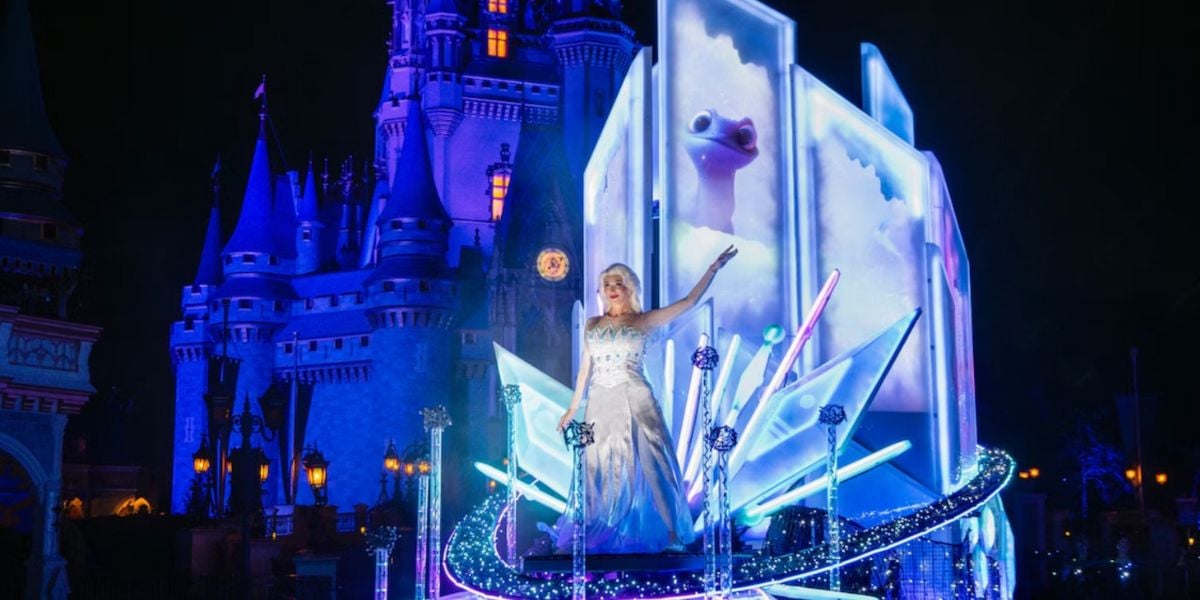
The timing of this announcement is particularly notable given the extreme crowding Magic Kingdom has experienced during the current holiday season. Throughout this Christmas week, the first performance of Disney Starlight has been hitting viewing capacity nearly every night, with cast members announcing over park speakers that all viewing spots are full and turning away additional guests seeking prime locations along the parade route.
The situation has become severe enough that Disney opened additional viewing areas on the Town Square Theater terrace, a space that is typically not designated as a parade viewing location. When Disney resorts to opening non-standard viewing areas to accommodate overflow crowds, it demonstrates capacity pressures that would seemingly argue for maintaining two parade performances rather than reducing to one.
This contradiction between current capacity challenges and the announced reduction to single performances creates confusion about Disney’s rationale. If the parks are experiencing such intense demand that standard viewing areas cannot accommodate everyone who wants to watch the parade, eliminating the second showing would logically worsen the crowding problem by forcing all interested guests to compete for space during a single performance.
The decision suggests either Disney anticipates substantial attendance decreases in early 2026 that would make two performances unnecessary, or operational considerations unrelated to attendance are driving the schedule change despite the guest experience implications of concentrating parade viewers into a single time slot.
The New Schedule Details
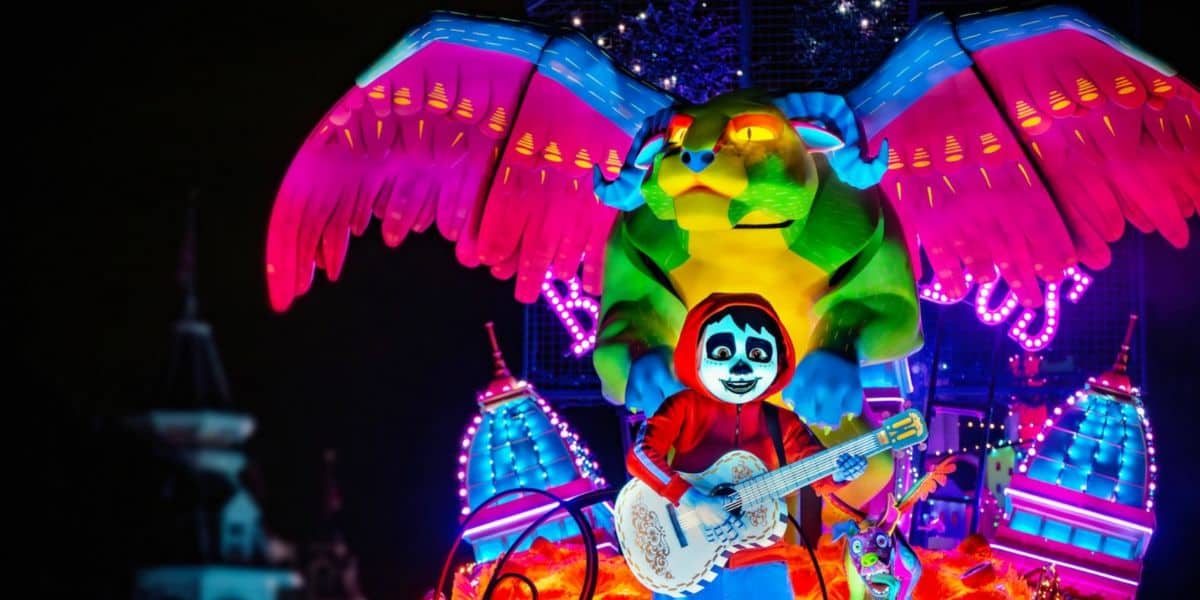
According to the Walt Disney World website, Disney Starlight: Dream the Night Away will shift to single nightly performances starting in early January 2026. The parade, which debuted in July and has maintained twice-nightly showings on non-event nights, will see its schedule modified as follows:
January 1-3: 7:45 PM and 10:30 PM (two performances) January 4-5: 7:45 PM and 10:00 PM (two performances) January 6-8: 7:45 PM only (single performance) January 9-10: 7:45 PM and 10:00 PM (two performances)
The schedule currently extends only through January 10, leaving uncertainty about whether the single-performance pattern will continue beyond that date or if this represents a temporary adjustment specific to the January 6-8 period.
This marks the first time Disney Starlight has been scheduled for single nightly performances since its July debut. The parade has consistently offered two showings on nights when Magic Kingdom does not host special ticketed events like Mickey’s Very Merry Christmas Party or Mickey’s Not-So-Scary Halloween Party, providing guests with flexibility in planning their evening schedules around dining reservations, attraction wait times, and other activities.
The Capacity Reality Right Now

The schedule reduction becomes more perplexing when viewed against current conditions at Magic Kingdom. The Christmas holiday period has brought extreme crowding that has tested park capacity limits in visible ways. Disney Starlight’s first performance has been reaching viewing capacity regularly, with announcements over park speakers alerting guests that prime viewing locations are full well before the parade begins.
These capacity announcements have become routine during the current holiday week, forcing guests who arrive hoping to secure parade viewing spots to either settle for less desirable locations with obstructed views or skip the parade entirely.
The situation has created frustration among families who have traveled specifically to experience Magic Kingdom’s holiday entertainment and find themselves unable to access one of the park’s signature evening offerings.
The opening of Town Square Theater terrace for overflow parade viewing represents an unusual response to capacity pressures. This area is not typically designated as a parade viewing location, suggesting Disney has exhausted standard viewing capacity and needed to create additional space to accommodate demand.
When a park resorts to opening non-standard areas for entertainment viewing, it indicates that existing infrastructure cannot handle current guest volumes.
Against this backdrop of capacity challenges, the decision to eliminate the second parade performance in early January seems counterintuitive. The second showing has traditionally offered easier viewing access with lighter crowds as many guests leave after the first performance or choose to experience other evening offerings like Happily Ever After fireworks.
Removing this option concentrates all parade demand into a single 7:45 PM showing, which will likely experience the same capacity issues currently affecting first performances during peak periods.
What This Means for Guests
Visitors planning Magic Kingdom trips during the single-performance dates should expect significantly more crowded parade viewing conditions than typical. Without the option to watch a second showing, all guests interested in seeing Disney Starlight must compete for viewing locations during the 7:45 PM performance.
Securing good viewing spots will require arriving substantially earlier than normal, potentially an hour or more before the parade begins depending on crowd levels. Guests accustomed to casually finding spaces for the second showing will need to adjust their planning to treat the single performance more like a major event requiring advance positioning.
Families with young children face particular challenges, as the single 7:45 PM showing occurs earlier in the evening when parks remain busiest. The later second performance has traditionally been popular with guests who prefer to let crowds thin before staking out parade spots, but that option disappears on single-performance nights.
The January 6-8 dates coincide with the period immediately following the holiday season when some families extend Christmas vacation travel while others begin returning to normal schedules. Attendance patterns during this transition period can be unpredictable, making it difficult to forecast whether single performances will prove adequate for actual demand.
Possible Explanations
Several factors could explain the schedule reduction despite current capacity pressures. Disney may anticipate substantial attendance decreases in early January after the holiday rush subsides, making two performances unnecessary from an operational efficiency standpoint even if it creates temporary crowding during the single showing.
Operational considerations unrelated to attendance could also drive the change. Running two parade performances requires significant cast member staffing, float maintenance, and coordination of park traffic flow. If Disney faces staffing constraints or needs to allocate resources differently, reducing parade performances could address those operational needs even if it compromises guest experience somewhat.
The possibility exists that this represents a website error or temporary schedule glitch rather than an intentional policy change. However, the specific pattern of dates with single versus double performances suggests deliberate scheduling rather than a technical mistake.
Looking ahead, if single performances continue beyond January 10, it would signal a more permanent shift in how Disney operates evening entertainment at Magic Kingdom. If the schedule reverts to two nightly showings after this brief period, it suggests temporary circumstances specific to early January drove the reduction.
For now, guests planning visits during affected dates should prepare for more competitive parade viewing and consider whether experiencing Disney Starlight is a priority worth the additional planning and earlier arrival it will require. The situation demonstrates how entertainment schedule changes can significantly impact guest experience beyond simply adjusting showtimes.