Credit: Disney
For decades, Disney World carried a reputation that felt almost untouchable. It was the place families saved for, planned around, and talked about for years. The “most magical place on earth” wasn’t just a slogan—it felt like a promise. You showed up, and somehow the stress of real life melted away. Everything felt carefully designed, thoughtfully paced, and built around wonder.
But lately, that feeling doesn’t land the same way.
Guests still arrive hoping for magic, but something has shifted. The parks no longer feel carefree. They feel louder. Heavier. More complicated. The idea that Disney World automatically delivers joy now comes with an asterisk. And before anyone blames nostalgia, this isn’t about growing up or changing tastes. Something critical has altered the parks themselves.
The reputation Disney World once relied on is no longer holding.
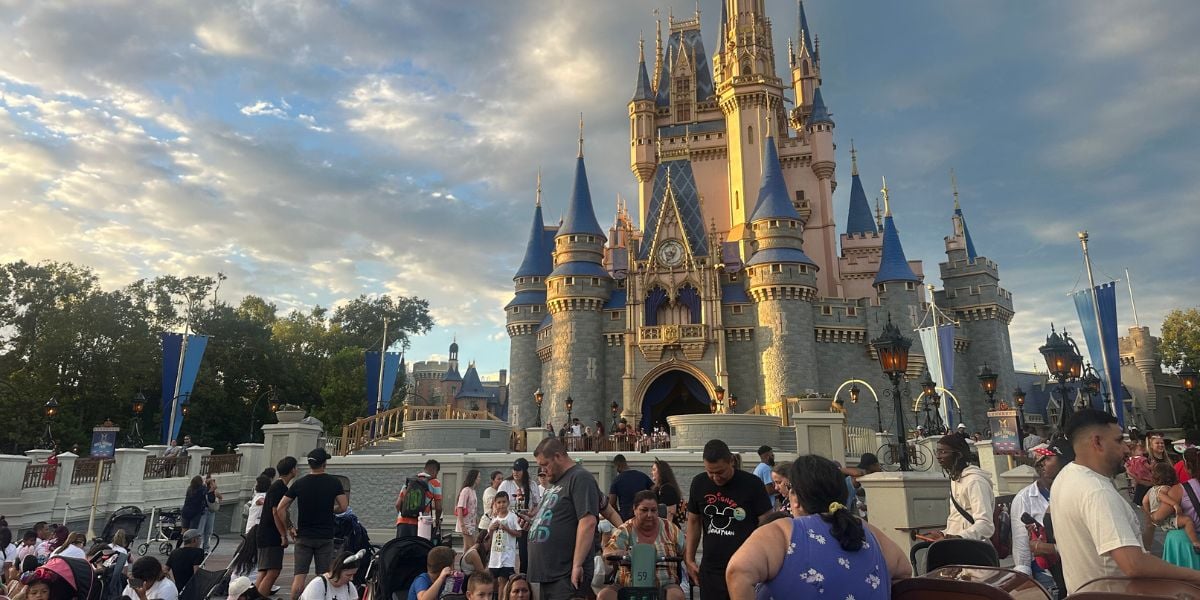
When Crowds Start Controlling the Experience
Crowds have always been part of Disney World, but there was a time when they felt manageable. You could move through the parks without constantly checking wait times or bracing yourself for bottlenecks. Even on busy days, the experience felt balanced.
That balance is gone.
Now, crowds dictate everything. Walkways clog up by mid-morning. Attractions hit triple-digit waits before lunch. Finding a quiet corner feels like a victory instead of a given. Even areas once known for breathing room now feel packed from open to close.
This crowd pressure also affects how guests behave. People rush instead of exploring. They stare at phones instead of the scenery. The day becomes a checklist instead of an adventure. When the park experience starts feeling like crowd management instead of immersion, the magic slips fast.

Familiar Favorites Keep Disappearing
Change has always been part of Disney World’s identity. Attractions evolved. Lands refreshed. But there was a sense that Disney protected its emotional anchors—the rides and experiences that generations shared.
That protection feels weaker now.
Beloved attractions vanish faster, often replaced before fans have time to process the loss. In some cases, replacements feel rushed or disconnected from the spirit of the land they inhabit. Longtime guests don’t just miss rides; they miss continuity. They miss knowing that something they loved as a kid would still be there for their own children.
When change stops feeling respectful and starts feeling transactional, trust erodes. And Disney World used to run on trust.

IP Everywhere, All the Time
Disney has one of the most powerful collections of intellectual property on the planet. Used thoughtfully, it can deepen storytelling and pull guests into incredible worlds. Used excessively, it has the opposite effect.
Right now, it feels excessive.
Every expansion, retheme, and overlay leans heavily on recognizable brands. Original concepts get sidelined. Subtle storytelling takes a backseat to instant recognition. Lands start blending together because everything ties back to the same handful of franchises.
This shift makes the parks feel less imaginative and more corporate. Disney World once felt like a place where creativity led and IP followed. Now it often feels reversed. When everything is branded, nothing feels special.

Lightning Lane Frustration Breaks the Flow
Disney World used to reward patience. You waited for your turn, explored the queue, and shared the experience with everyone else. The system wasn’t perfect, but it felt fair.
Lightning Lane changed that dynamic.
Instead of reducing stress, it introduced new layers of planning, cost, and frustration. Guests now pay extra to avoid waits that keep getting longer. Those who don’t pay feel punished. Those who do pay still feel rushed, glued to return windows and ride schedules.
The result is a park experience that feels segmented and tense. Instead of everyone sharing the same day, guests are divided into different tiers of access. That division undercuts the sense of shared magic Disney World once thrived on.

Rising Costs Change Who Disney Is For
Price increases alone aren’t the issue. Disney has always been expensive. The difference now is how those costs stack up—and what guests get in return.
Tickets rise. Hotels climb. Food costs spike. Add-ons multiply. Suddenly, a Disney World trip feels less like a splurge and more like a financial gamble. Families cut corners. Trips shorten. Some guests stop coming altogether.
When affordability disappears, accessibility follows. Disney World starts feeling less like a place for everyone and more like a luxury experience with optional magic attached. That perception damages the brand far more than any single price hike.
The Emotional Shift Fans Can’t Ignore
Put all of this together, and the change becomes impossible to deny. Disney World still delivers moments of joy, but they no longer come effortlessly. Guests work for them. Plan for them. Pay extra for them.
The parks feel operational rather than emotional—strategic rather than spontaneous.
And that’s the core problem. Disney World’s reputation was built on how it made people feel, not how efficiently it moved crowds or monetized time. When that emotional connection weakens, the foundation begins to crack.

Wanting the Old Disney World Back
This isn’t about rejecting progress or demanding that nothing ever change. Fans aren’t asking Disney World to freeze in time. They’re asking it to remember what made the parks special in the first place.
They want magic that doesn’t require an app. Experiences that don’t feel rushed. Attractions that honor the past while welcoming the future. They want Disney World to feel like a place where families come first—not spreadsheets.
The reputation Disney World once held didn’t die because guests stopped believing. It died because the parks stopped protecting it.
And if Disney ever wants that trust back, it won’t come from bigger franchises or higher prices. It will come from rediscovering why people fell in love with the place in the first place.