1
1
 Credit: Marvel Studios
The Marvel Cinematic Universe has always maintained tight control over its marketing rollouts, carefully orchestrating when and where fans get their first glimpses of upcoming blockbusters. From surprise drops during Super Bowl commercial breaks to strategically timed reveals at Comic-Con, Marvel Studios and Disney have perfected the art of building anticipation while maintaining secrecy around their most anticipated projects.
However, in an era where a single smartphone recording can spread across social media platforms within minutes, reaching millions of viewers before studios can issue takedown notices, that control has become increasingly difficult to maintain.
The challenge of protecting exclusive content has intensified as theatrical experiences become prime targets for illegal recording and distribution. Fans eager to share breaking news or generate engagement on social media platforms often pull out their phones the moment something exclusive appears on screen, creating a cat-and-mouse game between studios attempting to preserve the theatrical experience and audiences hungry for immediate access to content.
This tension has forced entertainment companies to adopt increasingly aggressive measures to protect their investments, particularly when debuting footage from tentpole releases that represent hundreds of millions of dollars in production and marketing spending.
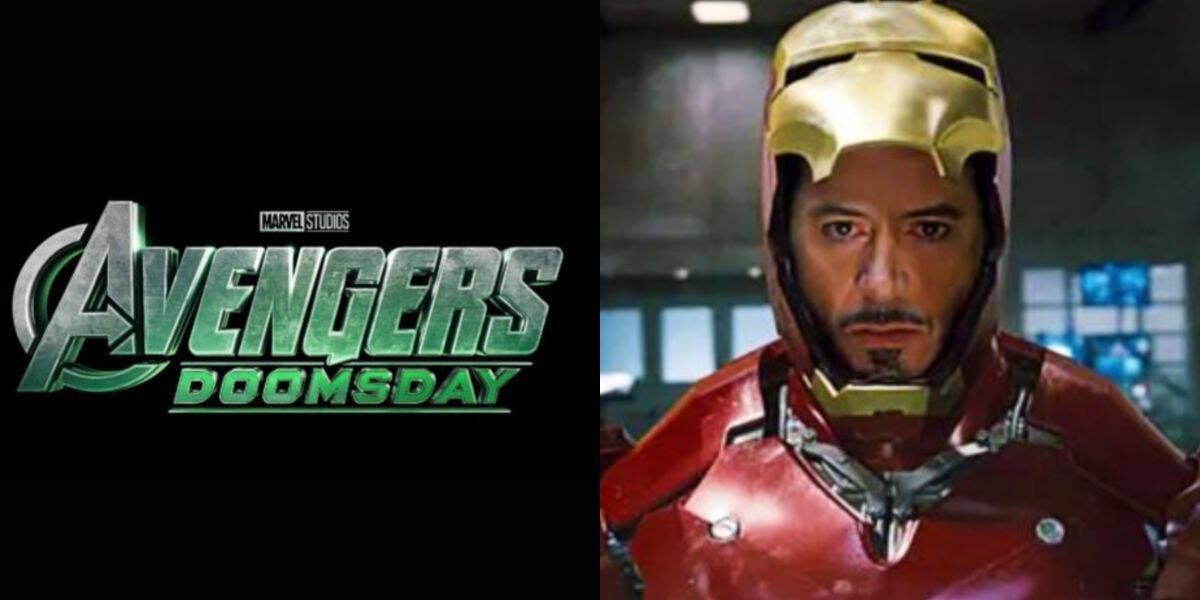
Now, as Disney prepares to unveil the first teaser for Avengers: Doomsday in front of Avatar: Fire and Ash on December 19, 2025, the studio is taking an unusually direct approach to the piracy problem. According to reports from Avengers Updates on social media, Disney will show an anti-piracy policy PSA immediately before the Doomsday teaser plays, essentially warning theater audiences not to record the footage before they even see it.
This preemptive strike represents a notable shift in how studios are addressing unauthorized recording, moving from reactive takedowns to proactive deterrence at the moment of potential violation.
The first teaser for ‘AVENGERS: DOOMSDAY’ is officially 1 minute and 27 seconds long.
Disney will be showing an “Anti Piracy Policy” PSA right before it plays.
(via @MikeTheProgram) pic.twitter.com/YfA6mkytr5
— Avengers Updates (@AvengersUpdated) December 13, 2025
The Trailer Details

The first teaser for Avengers: Doomsday has been confirmed to run one minute and 27 seconds, slightly longer than initial rumors suggesting a 60-second spot. According to Avengers Updates, the trailer will be attached to Avatar: Fire and Ash, James Cameron’s highly anticipated sequel arriving in theaters on December 19, 2025.
The timing is strategic on multiple levels. Releasing the Doomsday teaser exactly one year before the film’s scheduled December 18, 2026 premiere creates a sustained marketing window while capitalizing on the guaranteed audience that Avatar will draw. Cameron’s previous Avatar installment, The Way of Water, demonstrated remarkable box office longevity, and Fire and Ash is expected to command similar theatrical dominance through the holiday season and into 2026.
Unlike online drops that can be viewed repeatedly, analyzed frame by frame, and shared freely across platforms, theatrical exclusivity creates urgency and scarcity. Fans who want to see the first Doomsday footage will need to buy tickets to Avatar, potentially driving additional revenue for Disney while building anticipation for both franchises simultaneously.
The Anti-Piracy Warning

The decision to precede the Doomsday teaser with an anti-piracy PSA signals how seriously Disney is taking the threat of unauthorized recording and distribution. This approach goes beyond the standard pre-show warnings about silencing phones and avoiding disruptive behavior. By specifically addressing piracy immediately before exclusive content plays, Disney is creating a direct connection between the warning and the material audiences might be tempted to record.
The strategy makes practical sense. General anti-piracy warnings that play before every movie often get ignored because they’ve become background noise in the theatrical experience. Most audiences have seen countless variations of the FBI warning screens and industry group PSAs warning against illegal recording. But a targeted warning appearing immediately before one minute and 27 seconds of highly anticipated exclusive footage creates a specific deterrent at the exact moment when violation is most likely to occur.
From a legal standpoint, the pre-trailer warning also strengthens Disney’s position if they need to pursue enforcement actions against individuals who record and distribute the footage. By explicitly warning audiences immediately before the content plays, the studio eliminates any potential claim that violators were unaware of the prohibition. It creates a clear record that everyone in the theater was informed that recording was not permitted before they had the opportunity to pull out their phones.
Why This Matters for Marvel
Avengers: Doomsday represents one of Marvel Studios’ most significant releases as the franchise navigates its transition into Phase Six. The film reunites directors Anthony and Joe Russo, who helmed the massively successful Infinity War and Endgame, and features Robert Downey Jr. returning to the MCU as Doctor Doom rather than Tony Stark. The cast includes both established MCU veterans and Fox-era X-Men characters, signaling the full integration of Marvel’s cinematic universes following Disney’s acquisition of 20th Century Fox.
With this much riding on the film, Marvel and Disney have strong incentive to control how information about Doomsday reaches audiences. The first teaser sets the tone for the entire marketing campaign, establishing visual style, revealing key characters, and generating the initial wave of fan reactions and media coverage. If that footage leaks online in low-quality phone recordings before Disney releases an official version, it undermines the carefully crafted reveal and potentially impacts audience perception.
Previous Marvel releases have dealt with varying degrees of footage leaks, from low-quality convention hall recordings to high-resolution trailer rips appearing online ahead of official releases. These leaks complicate marketing strategies by forcing studios to either rush out official versions earlier than planned or allow poor-quality versions to dominate social media conversation. The anti-piracy warning before Doomsday suggests Disney is attempting to prevent that scenario entirely by discouraging recording at the source.
The Broader Implications
The anti-piracy PSA before Avengers: Doomsday could signal a new standard for how studios handle exclusive theatrical content. If the approach proves effective at reducing unauthorized recordings, other studios may adopt similar strategies for their own high-profile releases. This could particularly impact conventions and fan events where exclusive footage screenings have traditionally been targets for illegal recording and distribution.
However, the strategy also risks creating backlash from fans who view it as heavy-handed or who resent being preemptively treated as potential pirates. The Marvel fan community in particular has shown sensitivity to perceived disrespect or distrust from the studio, and a stern warning about not recording footage could be interpreted as Disney assuming the worst about its audience before giving them a chance to simply enjoy the exclusive content.
There’s also the practical question of effectiveness. Will a 30-second warning actually prevent people from pulling out their phones when the lights dim and the Doomsday footage begins? Social media engagement and the race to be first with breaking news create powerful incentives that a PSA might not overcome. Some fans may view successfully recording and sharing the footage as a badge of honor despite the warnings, treating the anti-piracy message as a challenge rather than a deterrent.
The December 19 release of Avatar: Fire and Ash will provide the answer. Within hours of the first screenings, it will become clear whether Disney’s anti-piracy warning succeeded in keeping Avengers: Doomsday footage off social media or whether low-quality recordings flood Twitter, TikTok, and YouTube regardless. That outcome will likely influence how studios approach exclusive theatrical content for years to come, potentially reshaping the relationship between studios, theaters, and audiences around the debut of highly anticipated marketing materials.
For now, Marvel fans planning to see Avatar: Fire and Ash should expect to sit through an anti-piracy warning before getting their first glimpse of Avengers: Doomsday. Whether they heed that warning or ignore it will determine not just the fate of this particular teaser, but potentially the future of exclusive theatrical content in an age where every audience member carries a recording device in their pocket.