4
4
 Credit: Marvel Studios
Disney has never been shy about reinventing its biggest franchises, but lately, that confidence looks shaky—especially inside the Marvel Cinematic Universe. Recasting heroes, reshuffling storylines, and resetting the tone were supposed to breathe new life into a saga that once dominated pop culture.
Instead, the response has felt uneasy. Fans are watching beloved mantles get passed around, sometimes without clear direction, and the excitement that once came automatically now needs to be convinced. Something about this latest reinvention just isn’t clicking, and the cracks are starting to show.
That tension hangs over the MCU right now. Marvel isn’t struggling for ideas, but it is struggling to get audiences to care at the same level they once did. What was marketed as a bold evolution increasingly feels like a test of patience, with viewers quietly asking whether the magic can be recaptured—or if it’s drifting further away.

Marvel Has Recast and Replaced Heroes Before
To be fair, Marvel has a long history of changing faces without losing momentum. Bruce Banner famously shifted actors early in the MCU’s life, and the Hulk (Mark Ruffalo) remained a cornerstone character.
Spider-Man went through multiple versions before finally landing with Tom Holland, and each reset brought its own wave of attention. Even Quicksilver’s (Aaron Taylor-Johnson) abrupt exit didn’t derail momentum when the franchise was firing on all cylinders.
Those changes worked because Marvel was still building upward. The audience trusted the plan and followed along, willing to give new versions of familiar characters a chance. The difference now is fatigue. These swaps are no longer occasional surprises—they’re becoming part of a pattern, and that makes viewers more resistant when yet another reboot lands in front of them.

A Recent Recast That Didn’t Land
That resistance became much harder to ignore with one recent release. Unlike earlier transitions that felt organic, this one arrived during a period of uncertainty for the MCU. Fans didn’t just debate casting choices; many questioned whether the story itself justified another reset. The result wasn’t outrage so much as indifference, which might be worse.
When longtime fans don’t feel urgency to watch, even a major Marvel release can stumble. And stumble it did.
Fantastic Four Enters the MCU—With a Thud
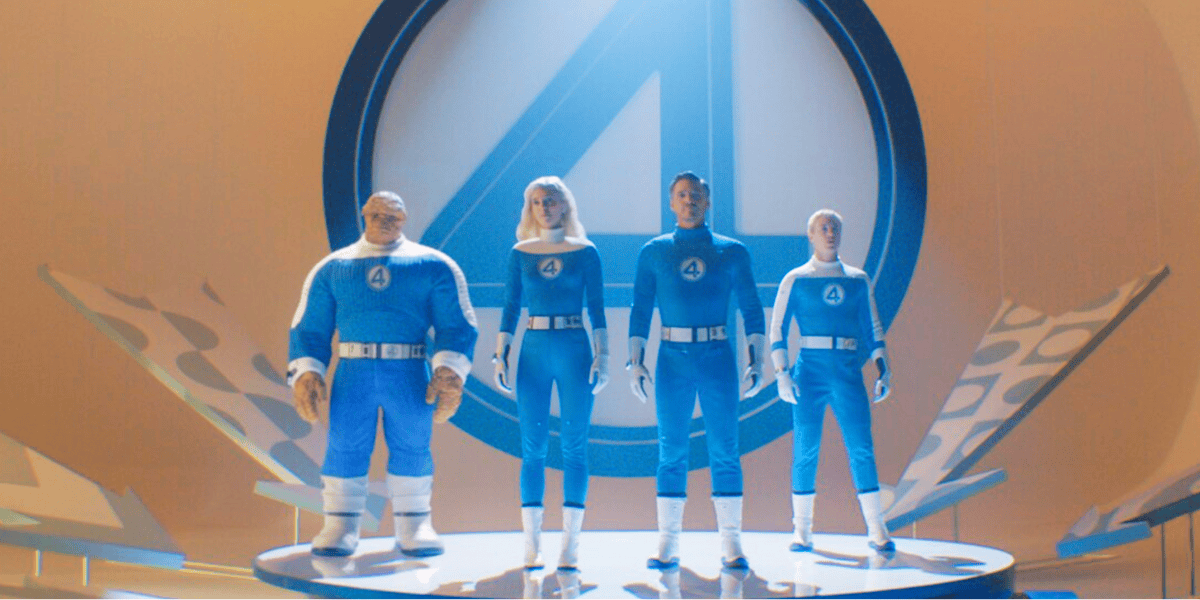
The arrival of The Fantastic Four: First Steps (2025) was supposed to be a glorious moment. Starring Pedro Pascal (Mr. Fantastic) alongside Vanessa Kirby (Sue Storm), Joseph Quinn (Johnny Storm), and Ebon Moss-Bachrach (Ben Grimm), the film finally brought Marvel’s most iconic family into the interconnected universe.
Disney had also fully moved on from the earlier live-action era, replacing familiar faces tied loosely to actors like Chris Evans with an entirely new vision.
Financially and culturally, though, the payoff never came. The reboot didn’t become Disney’s most profitable decision, and its performance suggested something deeper was off. Marvel wasn’t just introducing new heroes—it was asking audiences to reset their expectations yet again.
Streaming Numbers Tell a Brutal Story
When The Fantastic Four: First Steps (2025) reached Disney+, the data made things painfully clear. According to Nielsen’s independent tracking, the film garnered approximately 4.9 million completed views in the U.S. over its first five days. That figure cemented it as the weakest streaming debut for a major MCU theatrical release to date.
Those numbers don’t exist in a vacuum. They place the movie behind several recent Marvel entries that had already raised concerns about audience burnout. Thunderbolts* (2025), despite lukewarm box-office chatter, still debuted stronger. Even Captain America: Brave New World (2025) landed higher during its first streaming window.
Going further back only sharpens the contrast. The Marvels (2023), widely labeled the MCU’s biggest theatrical disappointment, still attracted more initial streaming interest. Eternals (2021), another divisive release, nearly doubled Fantastic Four’s numbers. For one of Marvel’s most recognizable IPs, that’s a sobering comparison.
Deadpool Shows the Ceiling Still Exists
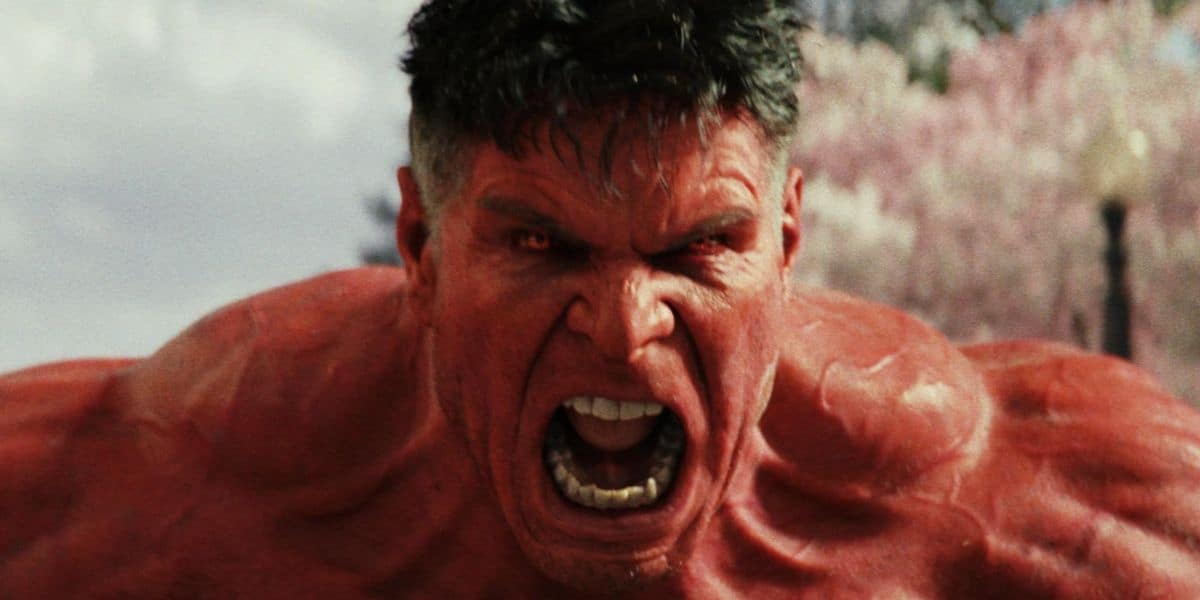
What makes the situation sting is that Disney+ hasn’t entirely lost its superhero audience. Just a year earlier, Deadpool & Wolverine (2024) arrived and exploded. The R-rated team-up delivered roughly 19.4 million global views in under a week, becoming one of the platform’s most-watched live-action releases.
That gap—nearly four times the viewership in a similar timeframe—proves a crucial point. Audiences haven’t abandoned Marvel. They’re just far more selective. When a movie feels essential, risky, or genuinely fun, viewers still turn out in massive numbers.
How Fantastic Four Stacks Up Across the MCU
Examining the launches of Disney+ streaming services reveals a clear hierarchy. Films like Black Panther: Wakanda Forever (2022) and Guardians of the Galaxy Vol. 3 (2023) sit comfortably at the top, drawing double-digit millions early on.
Mid-tier entries such as Doctor Strange in the Multiverse of Madness (2022) still performed solidly. By the time you reach titles like Thunderbolts* (2025), The Marvels (2023), and Black Widow (2021), the downward trend becomes obvious.
The Fantastic Four: First Steps (2025) now occupies the bottom rung of that ladder—and that’s a troubling place for a reboot meant to reignite interest.

Why MCU Fans Tuned Out
So why the apathy? For many viewers, it’s a mix of factors. Some simply aren’t invested in another origin-style reset. Others struggled to connect with the new cast or felt the tone didn’t match expectations. There’s also a lingering sense that Disney+ releases don’t always require immediate attention, something Marvel never faced during its theatrical peak.
In short, the urgency is gone. Without that must-watch feeling, even a legendary team like the Fantastic Four can fade into the background noise of streaming content.

Looking Ahead to a Possible Rebound
Still, this may not be the new normal forever. Disney is clearly pivoting. Preparations for the next big saga appear designed to restore confidence by leaning on established hits. The upcoming slate points toward familiar ground, with Spider-Man: Brand New Day (2026) bringing back Tom Holland and Avengers: Doomsday (2026) aiming to unify the franchise once again.
An Avengers event naturally drives attention, and the promise of a Doctor Doom storyline ties directly into Marvel’s strongest traditions. These projects could reset expectations in a way that smaller reboots simply can’t.
A Franchise at a Crossroads
Disney’s attempt to reboot the MCU hasn’t collapsed entirely—but The Fantastic Four: First Steps (2025) stands as evidence that reinvention alone isn’t enough. Fans want confidence, clarity, and a reason to care. If Marvel can deliver that with its next phase, the slump may become a footnote. If not, this “enormous failure” might go down as the moment the studio learned that even superheroes aren’t immune to exhaustion.