7
7
 Credit: Inside the Magic
For decades, Disney Parks have been defined by immersive storytelling—worlds guests can walk into, characters that feel real, and environments engineered to make the impossible believable. As technology evolves, so does Disney’s ability to deepen that immersion.
In recent years, we’ve seen MagicBand+, mobile apps, virtual queues, and advanced audio animatronics reshape how guests move through and interact with the parks. But Disney’s newest direction could represent the most transformative leap yet: integrating smart glasses directly into the theme park experience.
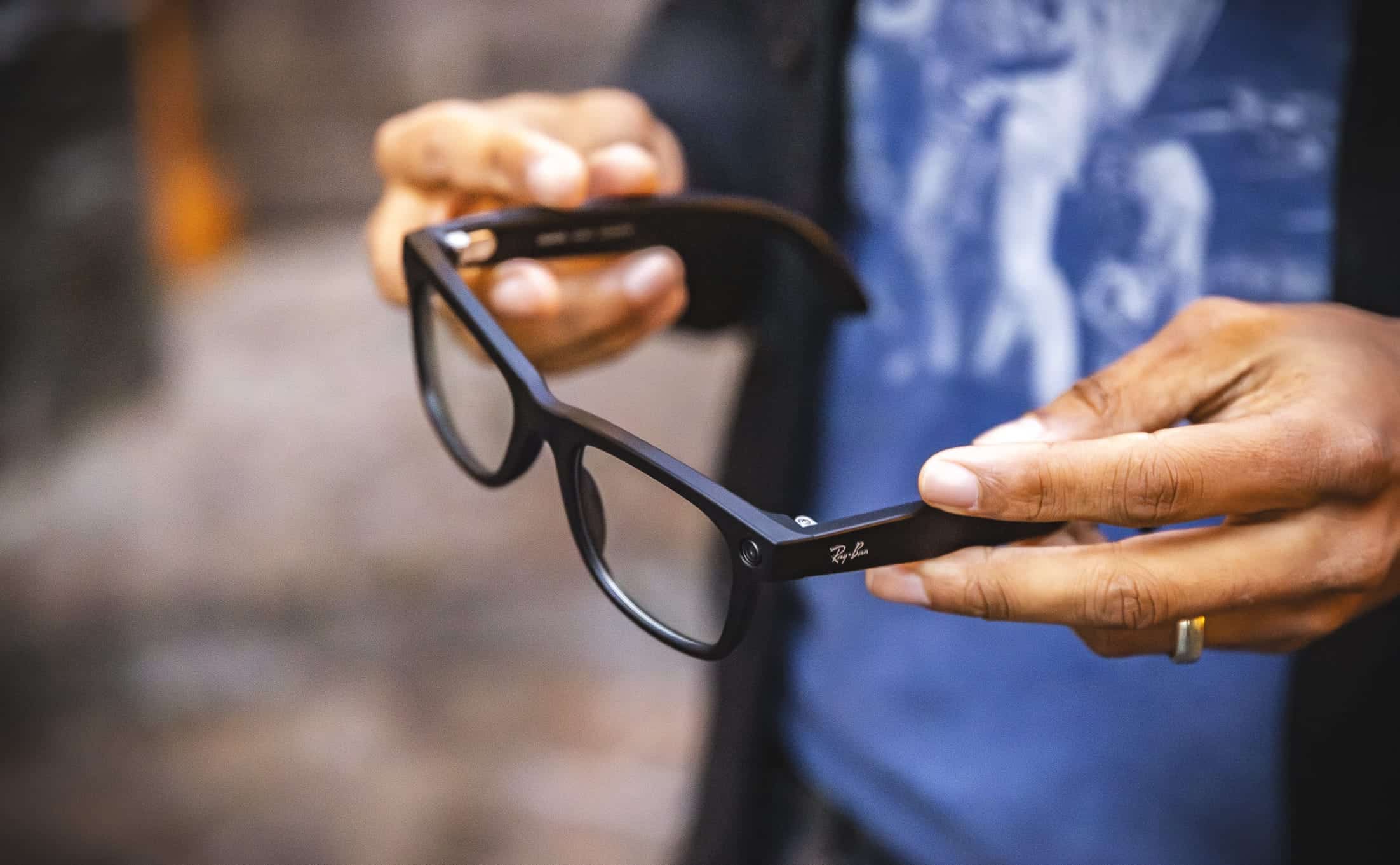
In the newest episode of We Call It Imagineering on YouTube, Disney officially revealed how it plans to take advantage of its growing partnership with Meta. For the first time, Imagineers gave a behind-the-scenes look at how Meta’s Ray-Ban smart glasses—equipped with cameras, microphones, speakers, and AI—could be used both by guests and Imagineering teams inside the parks.
This announcement builds upon earlier demonstrations from Meta and Walt Disney Imagineering in September, when CEO Mark Zuckerberg introduced the upgraded Ray-Ban Display glasses.
Those early reveals hinted that Disney was experimenting with tools that could track guest location, provide real-time park tips, and offer hands-free access to information. Now, with this newest Imagineering episode, we have a much clearer picture of the direction Disney is heading.
What Imagineers shared this week suggests a future where guests no longer have to bury their faces in their phones for park information, navigation, or history. Instead, they can look at the world around them—and have the world speak back.
Below is a detailed breakdown of what Disney disclosed, what Imagineers want these glasses to accomplish, concerns surrounding data usage, and how this technology may ultimately reshape future park design.
Disney and Meta’s Smart Glasses Partnership: What Was Revealed
In the latest We Call It Imagineering episode, Disney confirmed they are actively exploring how to integrate Meta’s Ray-Ban smart glasses into theme park operations. This includes both guest-facing applications and behind-the-scenes Imagineering uses.
Guest-Facing Uses: A “Virtual Theme Park Guide in Their Ear”
In the video, Disney Imagineer Asa Kalama, Executive Creative & Interactive Experiences, explains how the glasses could serve as an always-present, hands-free companion for guests. Speaking from Star Wars: Galaxy’s Edge, Kalama described how the glasses’ integrated cameras, microphones, and speaker system could:
-
Provide real-time explanations and stories about architectural details
-
Answer questions about the land a guest is exploring
-
Offer information about merchandise items they’re looking at
-
Help guests navigate or learn about attractions without using a phone
-
Deliver contextual storytelling, unique to the land they’re in
The idea is that rather than stopping to search the Disney Parks app, pulling out a phone, or switching between screens, guests can simply look around and ask.
Disney envisions a guest experience where AI serves as a companion, quietly adding information without interrupting the magic. Essentially, the glasses become a walking, talking tour guide specifically trained in Disney lore.
“Extended Reality Reinforces the Shared Experience”

Disney has been clear about one overarching goal: reduce the constant need for guests to look down at their phones.
Bruce Vaughn, President and CCO of Walt Disney Imagineering, emphasized that extended reality should help guests stay fully present with the people they’re visiting with. As he put it:
“Every time you have to look down at a device or a phone, it breaks that spell.”
Smart glasses, Vaughn argues, could allow guests to stay engaged with their surroundings. Instead of replacing reality, they enhance it—layering information while keeping attention on the environment.
This aligns with comments Disney made earlier this year about moving away from overly app-dependent experiences.
Behind-the-Scenes Uses: A Game-Changer for Imagineers
While the guest applications are exciting, Vaughn described an equally transformative use for Imagineers: visualizing new attractions on a “greenfield” site.
Imagineers often have to stand in empty dirt lots and picture:
-
Attraction footprints
-
Sightlines
-
Set pieces
-
Guest flow patterns
-
Themed architecture
-
How a land will look once fully constructed
With smart glasses, Imagineers could potentially walk through a future land as if it were already built, overlaying digital structures onto the physical space.
This is not only useful—it could dramatically accelerate design, testing, and planning.
How This Connects Back to Meta’s September Announcement
When Meta unveiled the new Ray-Ban Display glasses earlier this year, we learned that they include:
-
A small display visible only to the wearer
-
AI-assisted visual recognition
-
Location tracking
-
Sightline detection
-
Hands-free access to information using voice commands
Disney was already testing these features.
In Meta’s initial demonstration, Imagineers used the glasses to ask about:
-
Ride details
-
Food recommendations
-
Park tips
-
Wait-time strategies
However, concerns were raised at the time about data privacy and whether guests should be comfortable giving Meta additional insight into their movements inside the parks. Disney did not address these concerns in this week’s episode, though the conversation around privacy is likely to continue.
What This Means for the Future of Disney Parks
If Disney fully integrates smart glasses into the parks, it could reshape:
1. Park navigation
No more checking maps—the glasses could guide you directly.
2. Attraction storytelling
Different spaces in a land could respond to guest questions in real time.
3. Merchandise discovery
Guests could look at an item and instantly get lore, price, or recommendations.
4. Imagineering innovation
Designers could literally see the future park before building it.
5. Reduced phone dependency
A major Disney goal is to minimize “heads-down time.”
The Technology Is Coming—But Slowly

The new Meta Ray-Ban glasses are expected to cost $799, and while Meta plans to make them available this month, Disney has not yet announced a release timeline for park usage.
Still, the messaging is clear:
Disney sees smart glasses as a key part of the future guest experience.
For now, guests testing the glasses in the parks will likely be limited to Imagineers and tightly controlled pilot programs. But the roadmap is unmistakable, and the technology is advancing quickly.
Sooner than later, if you spot someone wandering Disneyland or Disney World while quietly talking to their glasses—they might not be losing their mind. They’re probably talking to a very advanced piece of Disney storytelling tech.