1
1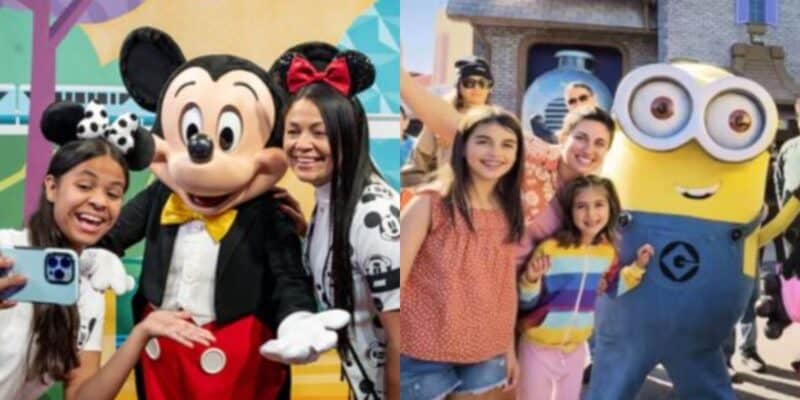
 Credit: Disney (left) / Universal (right)
Walt Disney World and Universal Orlando Resort love to play up the rivalry. Two giant neighbors are trying to outdo each other, adding new rides, making big announcements, and competing for vacation dollars. Yet even with all the competition heating up in 2025, something unexpected is happening behind the scenes.
These two theme-park powerhouses are quietly starting to look more alike. And while you’d think that would be good news for guests, some of the changes they agree on feel like a push toward stricter planning, pricier perks, and less spontaneity. Theme park trips are still exciting, no question about it — but the “just show up and have fun” era feels more distant than ever.

A Rivalry That Still Burns
None of this means the rivalry has died. In fact, it might be stronger than ever. Universal’s Epic Universe has turned the heat up big-time, and Disney continues updating parks and rolling out new attractions to keep guests invested. Both sides want bragging rights. Both want repeat visitors. And both want to be the destination that families plan their vacations around.
Still, 2025 comes with a twist: even as the competition intensifies, the blueprint for a theme-park day is starting to look surprisingly similar across both resorts.

Tech-First Theme Park Touring
Pull out your phone — because Disney and Universal expect it. In 2025, digital planning is no longer optional; it has become the norm.
Mobile ordering.
App-based tickets and reservations.
Real-time wait-time tracking.
Hotel check-ins from your device.
Disney’s app handles everything from mobile food orders to Lightning Lane access. Universal’s app lets guests join virtual queues on busy days, mobile-order food, and even check ride statuses before setting foot in the park. Convenience is the goal, and honestly, some of the tech really does make the day smoother.
Still, not everyone enjoys having screens integrated into their experience. Families who enjoyed spontaneous park days feel pushed into “strategy mode” from breakfast to fireworks. Is it efficient? Sure. Does it sometimes feel like Disney and Universal want you to treat vacation like a logistics exercise? Also yes.

Tiered Passes and Premium Perks
Annual Pass programs used to feel straightforward. Now, they read more like phone plans, with tiers, blackout dates, and perks tied to how much you spend.
Disney offers passes ranging from the Pixie Dust Pass, with limited access, to the Incredi-Pass, which provides complete flexibility, no blackout dates, and discounts. Universal mirrors that structure passes offering varying park access, different parking perks, and early entry options, depending on how much you’re willing to pay.
Choice isn’t bad — plenty of guests love having options. However, the growing disparity between “standard” and “premium” perks is evident. It’s becoming clearer that the more you pay, the easier your vacation feels.

Waiting in Line? Money Talks
Nobody enjoys watching a wait time board jump into triple digits. But there’s a reason not everyone is grumbling — some guests simply skip the line.
Lightning Lane at Disney and Universal Express pass at Universal allow guests to bypass long waits… for a price. Disney offers Lightning Lane Multi Pass options and individual attraction purchases, while Universal sells Express and Express Unlimited upgrades that can dramatically cut waits.
Do these systems work? Absolutely. Do guests who don’t buy them sometimes feel like they’re stuck in the “regular line club”? Yep. Both parks are navigating massive crowds, and prioritizing efficiency isn’t wrong — it just means spontaneity and equity in ride access feel different than they used to.

IP Everywhere — For Better or Worse
If you’ve noticed a shift toward franchises lately, you’re not alone. Both parks are doubling down on the power of recognizable worlds.
Disney leans into favorites like Star Wars, Frozen, and Moana, and Universal brings beloved franchises like Harry Potter, Minions, and How to Jurassic Park to life. Epic Universe takes that to a new level with whole lands dedicated to Nintendo, How to Train Your Dragon, and more.
Fans love walking into worlds they’re familiar with. At the same time, longtime theme-park lovers occasionally miss original, quirky experiences. IP works — it sells tickets and merch — but there’s a balancing act between nostalgia and name-recognition power.

Party Season Never Sleeps
Here’s a place where fans happily say, “Take my money.” Seasonal events are the crown jewels of both parks.
Universal absolutely owns Spooky Season with Halloween Horror Nights, then flips to festive mode with Christmas offerings and a wildly fun Holiday Parade featuring Shrek, Minions, and Madagascar characters. Disney fires back with Mickey’s Not-So-Scary Halloween Party, Mickey’s Very Merry Christmas Party, and Jollywood Nights — complete with rare characters, treats, shows, and that cozy holiday energy.
Yes, specialty event tickets can be a budget strain, but guests genuinely show up excited for these nights. They feel special, celebratory, and bring back traditions that fans treasure.

Festivals, Food, and Bonus Fun
Beyond the big-ticket nights, both resorts have leaned into bonus entertainment and seasonal flavor. Universal’s Mardi Gras brings concerts, parade floats, beads, and global-inspired food booths. Meanwhile, EPCOT hosts year-round festivals — including the Festival of the Arts, Flower & Garden, and Food & Wine — each with its own menus, merchandise, and performances.
These extras keep visits fresh and give fans reasons to return beyond just the rides. When managed well, they bring energy and community into the parks without feeling overwhelming.

So, Where Does This Leave Guests?
Disney and Universal remain rivals in every way that matters. But in 2025, they’re also unusually aligned — on tech-driven planning, tiered perks, line-skipping systems, franchise expansions, and seasonal upsell experiences.
Some of those choices benefit guests. Others make vacations feel more structured and more expensive. Theme park trips remain exciting, but they’re also evolving into curated experiences where planning — and sometimes spending — is part of the adventure.
Fans may not love every change, yet one thing is clear: the future of theme parks isn’t being built by one giant. It’s being shaped by both, side by side, whether guests asked for that unity or not.