Credit: Disney
Could mark the end of pin trading and ear collecting as we know it? Could this new price hike mean scalpers will have less to do when visiting Disney World this Holiday season and in 2027?
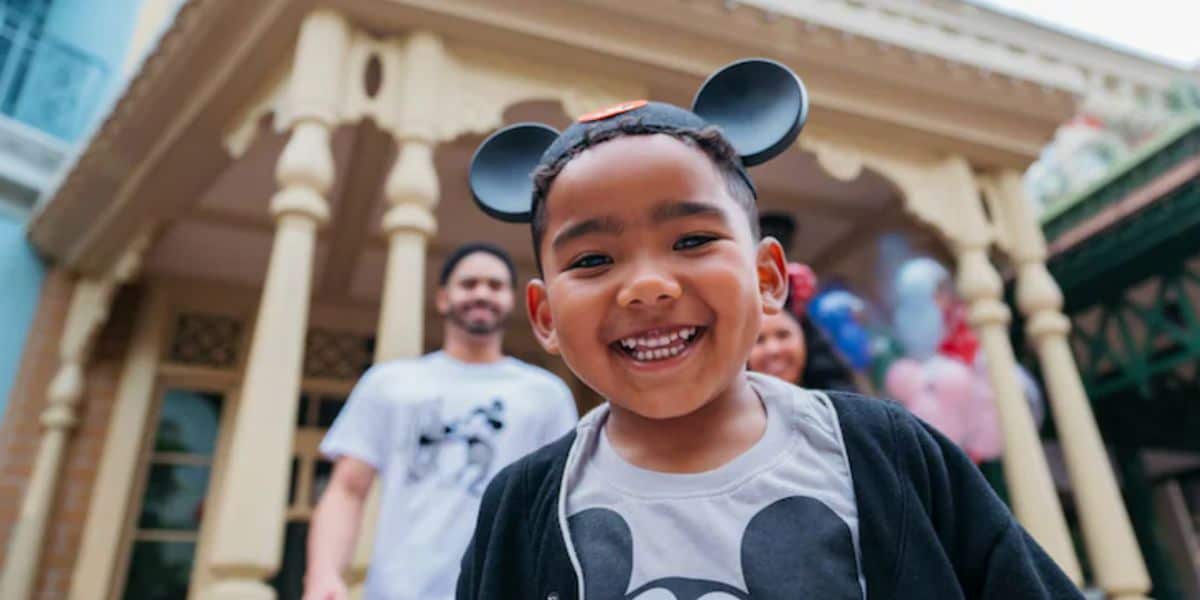
Disney World Could Have Just Ended Scalping as We Know It: But Also Ear Collecting, Pin Trading
Walt Disney World merchandise prices are moving higher again, putting another squeeze on guests who treat Minnie ears, Spirit Jerseys, Loungefly bags, pins, and seasonal releases as part of the park experience. The increases come as Disney continues rolling out collectible-heavy merchandise across its Florida resort and online, where souvenirs can be as much a ritual for repeat visitors as attractions and dining.
For casual vacationers, a few extra dollars on a keepsake may disappear into an already expensive trip. For Annual Passholders and collectors who buy multiple releases throughout the year, however, higher base prices compound quickly. The result is a familiar question with sharper stakes: how much is too much for Disney fandom?

Disney Merchandise Prices Keep Raising the Entry Point
Disney Store recently raised most standard Mickey and Minnie Mouse ear headbands from $36.99 to $38.99. The official Disney Store ear-headband collection currently lists numerous designs at the new $38.99 price, including Walt Disney World and Magic Kingdom styles.
That follows Walt Disney World pricing earlier in 2026 that placed many standard park ear headbands at $36.99, while more elaborate Loungefly and rhinestone designs reached $46.99. Inside the Magic previously reported on the latest Disney ear price increase, highlighting how even one of the most recognizable Disney souvenirs has continued moving upward.
The distinction matters because Disney isn’t simply selling generic vacation souvenirs. Many releases are tied to seasons, attractions, anniversaries, events, and Passholder identity, encouraging dedicated fans to view merchandise as a continuing collection rather than a one-time purchase.

Collectors Feel Price Changes Differently
A family buying one pair of ears during a weeklong vacation encounters merchandise pricing once. A collector following Halloween drops, Christmas releases, attraction-specific items, and Passholder exclusives encounters it repeatedly.
Disney’s own 2026 merchandise showcase illustrates the breadth of that ecosystem. The company highlighted Storybook, Best Park Day Ever, Four Park, and Castle collections, with products ranging from shirts and crewnecks to ears, backpacks, Spirit Jerseys, water bottles, and MagicBand+ devices.
That release cadence can turn relatively small increases into a much larger annual expense. It also helps explain why price changes resonate strongly with dedicated fans: merchandise is built around repeat engagement.
Inside the Magic has documented that collecting culture among Annual Passholders even when the item itself is free. Passholder magnets have become collectibles that some fans track by release date and plan park visits around.
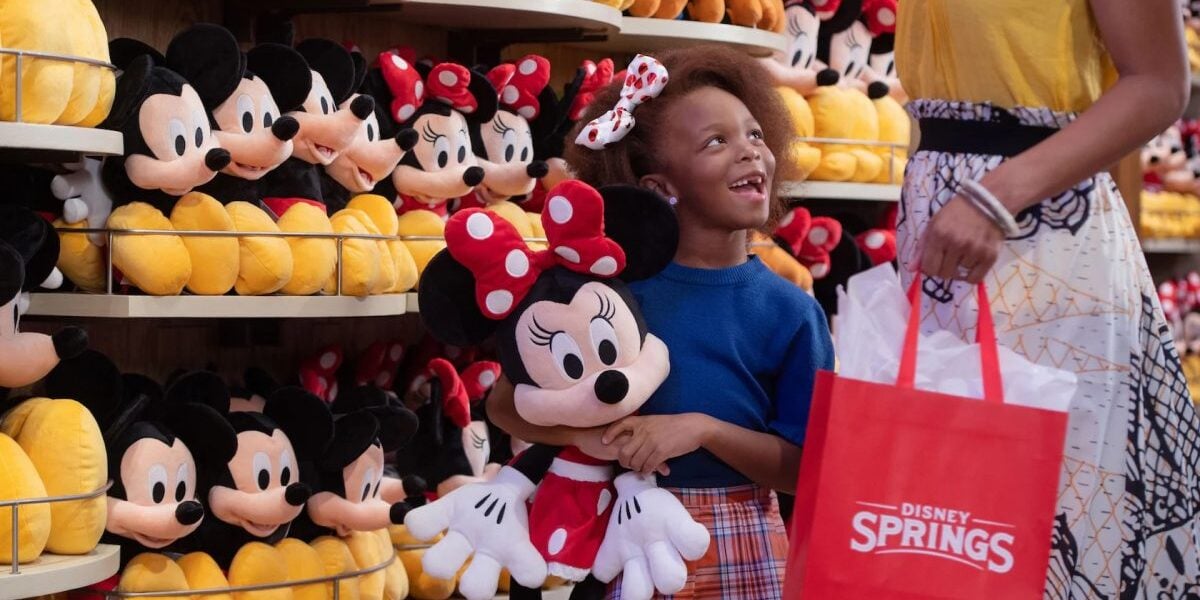
Annual Passholder Discounts Soften—but Don’t Erase—the Increase
There is an important counterweight for Walt Disney World Annual Passholders. Disney currently lists a 20% discount on select regularly priced merchandise at numerous resort locations, including the Emporium at Magic Kingdom, Creations Shop at EPCOT, Mickey’s of Hollywood at Disney’s Hollywood Studios, Riverside Depot at Disney’s Animal Kingdom, and World of Disney at Disney Springs.
That benefit can materially reduce the checkout total. A discount, however, works from the current base price. When the sticker price rises, the discounted cost generally rises with it unless the promotion itself changes.
Disney also continues using exclusive merchandise as a Passholder benefit. Inside the Magic documented the 2026 V.I.PASSHOLDER merchandise collection, including a $65 Loungefly crossbody, $79.99 hoodie, $34.99 T-shirt, $36.99 cap, and $54.99 Corkcicle canteen.
For collectors, loyalty can therefore create both access and pressure: access to products unavailable to everyone else, and pressure to decide whether maintaining a collection still makes financial sense.
This Isn’t Proof Disney Is Pushing Budget-Conscious Fans Out
It would be tempting to interpret higher Disney merchandise prices as evidence that Walt Disney World is deliberately replacing budget-conscious collectors with luxury buyers. There is no verified evidence establishing that motive.
What can be said is narrower. Higher prices increase the financial threshold for participating in Disney’s merchandise culture. Fans who once bought several seasonal items may choose one; others may wait for discounts, shop outside the parks, or stop collecting certain categories altogether.
Scarcity and exclusivity can complicate that decision. Some Passholder merchandise has also been tied to separately ticketed events, meaning access to a collectible can sometimes require more than simply maintaining an Annual Pass.
Disney merchandise doesn’t always stay at full price, either. Walt Disney World has discounted dated merchandise during 2026, demonstrating that waiting can sometimes pay off. But for limited or seasonal releases, waiting also carries the possibility that an item disappears first.
What Disney World Fans Should Watch Next
The next signal will be whether higher price points spread consistently across staple merchandise categories or remain concentrated in particular products and premium designs. Guests should compare tags carefully rather than assuming every pair of ears, shirt, or bag follows one standard price.
Passholders should also check Disney’s current Annual Passholder discount information before purchasing because eligibility and exclusions vary by location and product. Disney’s published benefits confirm that the 20% merchandise discount applies to select purchases rather than everything sold across the resort.
Walt Disney World is still giving fans plenty to collect. The more consequential question heading into the next wave of releases is whether those products can remain accessible enough that collecting feels like a Disney tradition rather than an increasingly premium hobby.