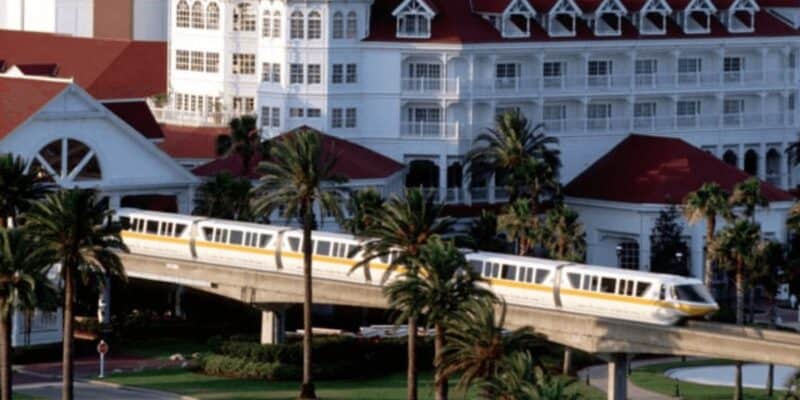
 Credit: Disney
For over half a century, the Walt Disney World Monorail System has stood as the ultimate symbol of theme park innovation. Gliding effortlessly above Seven Seas Lagoon, through the concourse of Disney’s Contemporary Resort, and past the spires of Cinderella Castle, the “Highway in the Sky” is far more than a simple transportation system—it is an iconic attraction in its own right. For millions of guests each year, boarding the Monorail is an important part of the Disney vacation experience.

However, behind the nostalgic chime of “Por favor manténgase alejado de las puertas,” questions about Disney World’s aging monorail infrastructure have become increasingly difficult to ignore. On September 16, 2026, both the Express and Resort Monorail lines experienced operational disruptions within a relatively short period. When a primary transportation route becomes unavailable, and an alternative route subsequently encounters a problem, the result can be significant congestion, longer waits, and disrupted park days.
With Disney committing billions of dollars toward park expansions and resort upgrades across its Experiences business over the next decade, one crucial project deserves serious consideration: a comprehensive modernization and potential expansion of the Walt Disney World Monorail network.
The Breakdown Cascade: When the Backup Plan Fails
The vulnerability of Disney World’s transportation network was illustrated by a significant disruption on September 16, 2026. The Express Monorail became unavailable during a busy operating period, removing the direct connection between the Transportation and Ticket Center (TTC) and Magic Kingdom.
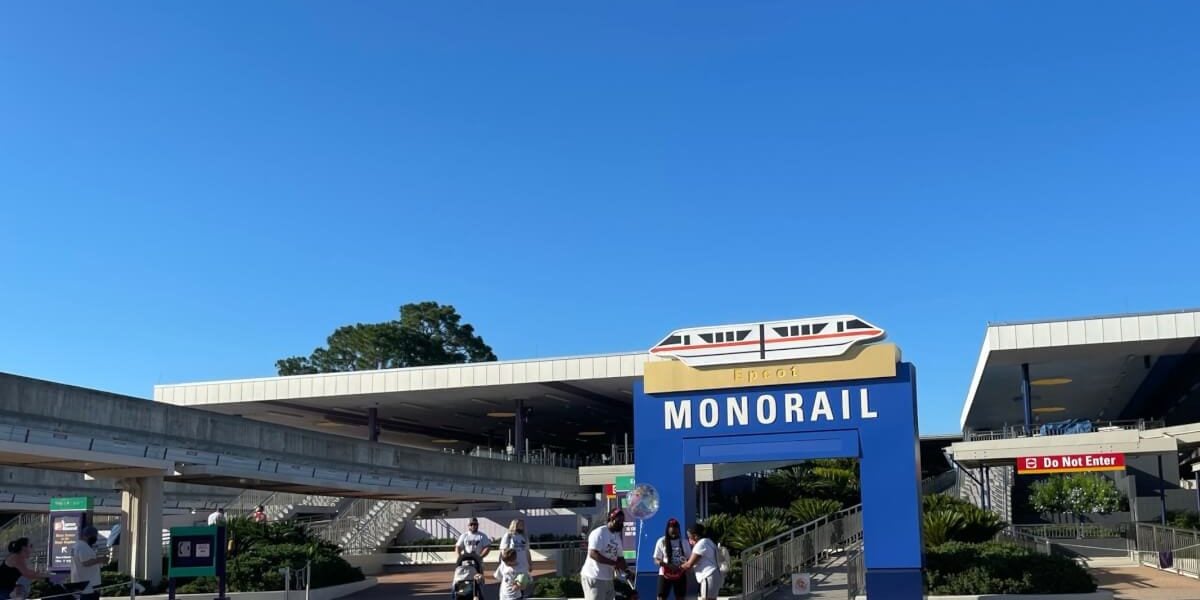
In a standard operational scenario, Disney can direct crowds toward backup options, primarily the Seven Seas Lagoon Ferryboats or the Resort Monorail. On this occasion, however, the Resort Monorail experienced an operational issue, further reducing available capacity.
The EPCOT Monorail continued operating, and ferryboat service remained available between Magic Kingdom and the TTC. Even so, the combination of transportation disruptions created longer waits and additional congestion for guests attempting to leave the Magic Kingdom area.
The incident did not shut down Disney World’s entire transportation network, but it illustrated a potential vulnerability. When one major route goes offline and another experiences an issue, the number of convenient options available to guests can shrink quickly during peak operating periods.

A modern, top-tier resort benefits from having multiple reliable transportation options available when one system experiences an unexpected interruption. The September disruption, therefore, raises a legitimate question about how Disney should approach the long-term modernization of its flagship transportation network.
An Aging Fleet Running on Decades of Service
To understand why discussions about modernization continue to arise, one must look at the age of the hardware itself. The current Mark VI monorail fleet began replacing the Mark IV trains at Walt Disney World in 1989, with the changeover completed in 1991. The trains have therefore been in service for roughly 35 to 37 years, depending on the individual vehicle.
Bombardier manufactured the Mark VI fleet, and Disney has continued to maintain and update the trains throughout their service lives. Their age alone does not establish that the fleet is unsafe or on the verge of failure, but it does make long-term fleet replacement a reasonable subject for consideration.
The challenges associated with maintaining an older fleet include:
Drive System & Power Strain: Decades of operation mean that motors, power-collection equipment, and other electrical components require ongoing inspection, maintenance, and eventual replacement as necessary.

Door Sensor & Alignment Issues: Door and station-interface equipment can contribute to operational delays when problems occur, although there is not enough public evidence to characterize these issues as a frequent systemic cause of delays.
Climate Control: Florida’s brutal summer heat places substantial demands on enclosed transportation systems. The Mark VI trains were designed with onboard air conditioning, but individual climate-control problems remain a maintenance consideration for an aging fleet.
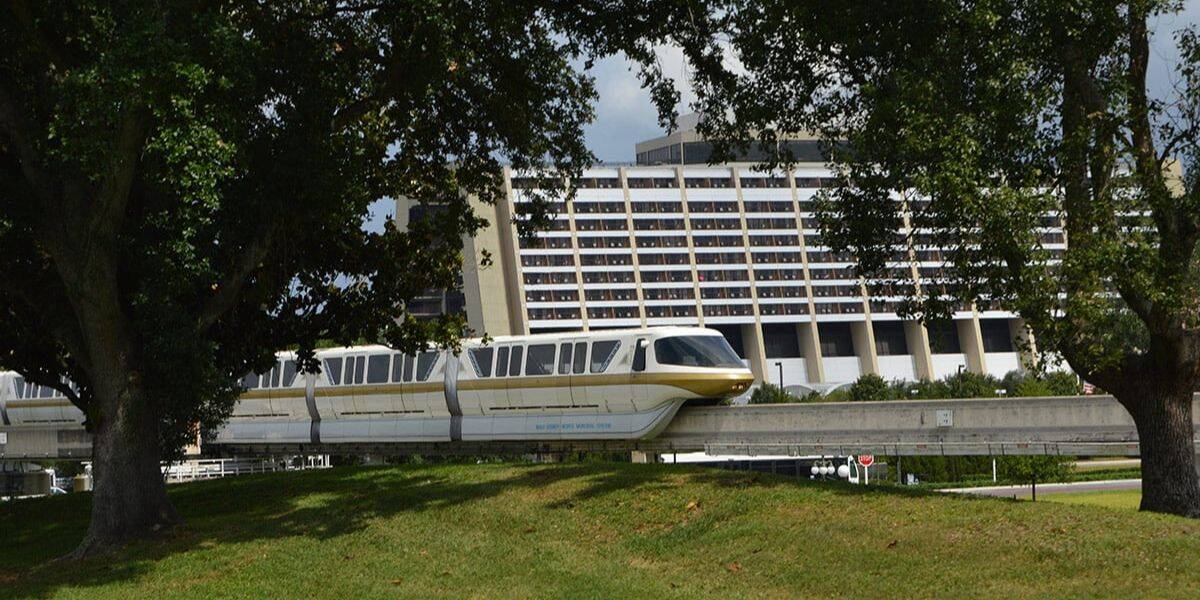
Concrete Beamway Infrastructure: Walt Disney World’s monorail infrastructure is also decades old. The original Resort and Express infrastructure dates to the resort’s opening in 1971, while the EPCOT line opened in 1982. That age makes inspection, maintenance, and eventual rehabilitation important considerations.
Regular maintenance can keep an aging transportation system operating for decades. But as Disney looks toward the next 30 to 50 years of Walt Disney World operations, the question is what kind of transportation system it wants to operate.
The Case for a Complete Shutdown and Overhaul
Asking Disney to shut down portions of the Monorail System temporarily sounds like sacrilege to die-hard fans. Still, major municipal transit systems around the world periodically take portions of their networks offline for infrastructure upgrades, signaling upgrades, and fleet modernization.
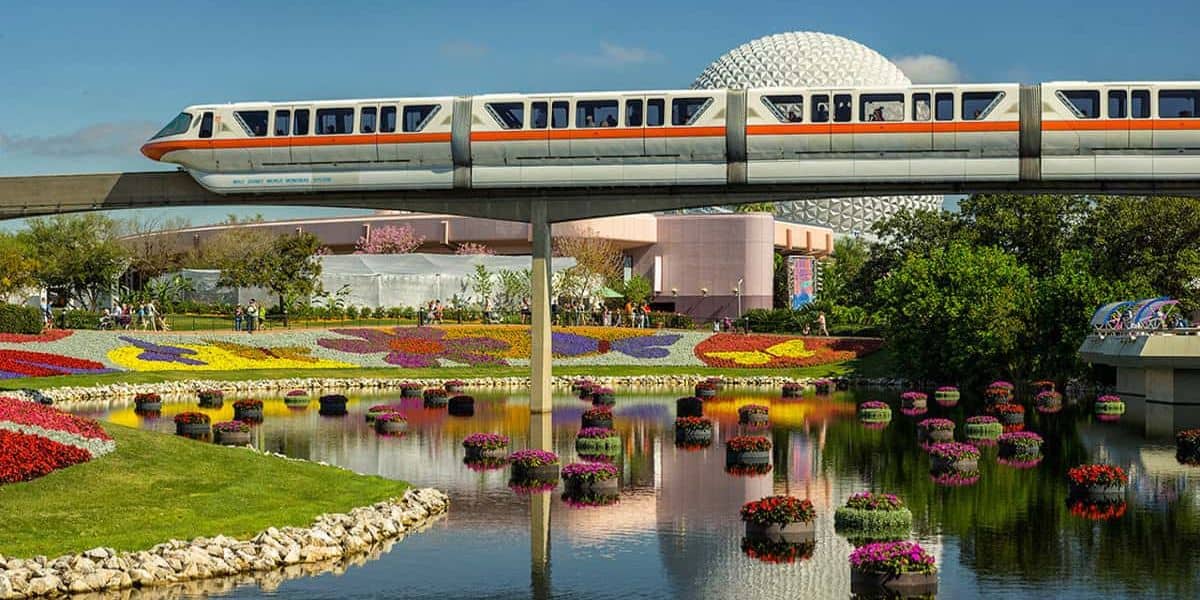
A phased, section-by-section shutdown of the Walt Disney World Monorail system could allow Walt Disney Imagineering and qualified transit engineers to execute a comprehensive modernization program:
Roll Out a Next-Generation Fleet: It may be time to begin planning for the eventual retirement of the Mark VI trains and introduce a completely redesigned monorail fleet. Rather than assuming a specific Mark VII or Mark VIII designation, Disney could develop trains equipped with improved climate control, more efficient propulsion, enhanced accessibility, modern passenger interiors, improved doors, and updated onboard systems.
Upgrade to Modern Train Control: Disney could evaluate technologies such as Communications-Based Train Control (CBTC) if engineering studies determined it would be compatible with the existing infrastructure. Modern train-control systems can potentially allow more precise train spacing and improve operational flexibility.

Rehabilitate the Beamways and Electrical Infrastructure: Taking loops offline would provide an opportunity to inspect, repair, and, where engineering studies warrant it, reinforce the beamways and electrical infrastructure. Detailed engineering assessments should determine the exact scope of any reconstruction.
While taking portions of the Monorail offline would require temporary bus and watercraft transportation, the short-term disruption could yield a more reliable and maintainable transit system capable of serving the resort for decades to come.
Dream Big: Overhaul Meets Expansion
If Disney is going to commit hundreds of millions—or even billions—of dollars to rebuilding or modernizing its flagship transportation network, the company should not necessarily stop at restoring existing lines. It could expand them.
While the Disney Skyliner has created an additional transportation connection between EPCOT, Disney’s Hollywood Studios, and several Disney Resort hotels, the Monorail remains one of Walt Disney World’s most recognizable transportation experiences. A modern monorail expansion could potentially connect currently underserved areas of the property:
Hollywood Studios & Animal Kingdom Links: Linking the monorail grid to Disney’s Hollywood Studios and Disney’s Animal Kingdom would create a truly unified, car-free transit ecosystem across all four major theme parks.

Disney Springs Connection: Extending a beamway to Disney Springs could provide another transportation option for the shopping and dining district and potentially reduce reliance on road-based transportation.
These are proposals rather than announced Disney projects. Any expansion would require substantial engineering, financial, and operational analysis before construction could begin.
Investing in Walt Disney’s Vision
When Walt Disney first envisioned Disney World, clean, efficient, elevated mass transit was central to his philosophy for the resort and his broader ideas about the future of transportation. The Monorail was never meant to be a museum piece; it represented Disney’s vision of futuristic urban movement.

The challenge facing Disney today is how to preserve that legacy while ensuring that the system remains capable of serving a modern Walt Disney World.
The September 2026 disruptions do not, by themselves, prove that the Monorail System is at a “critical tipping point,” nor do they establish that the existing infrastructure is unsafe or approaching imminent failure. They do, however, provide another reminder of how important the system remains—and how disruptive a loss of multiple transportation options can be.
Disney has the resources, engineering expertise, and long-term investment strategy to consider what comes next. The company has announced plans for approximately $60 billion in capital investment across its Experiences business over roughly a decade. However,h that figure encompasses Disney’s broader global Experiences portfolio rather than Walt Disney World alone.

That level of investment creates an opportunity to think beyond short-term repairs and ask what the Walt Disney World Monorail should look like in 2050 and beyond.
Rather than simply preserving the existing system indefinitely, Disney could eventually pursue a comprehensive modernization program, introduce a new-generation fleet, rehabilitate aging infrastructure where necessary, and explore strategic expansion.
The Highway in the Sky has represented the future for more than five decades. The challenge now is making sure its next chapter can live up to that legacy.