2
2
 Credit: DC Baker
Universal Orlando Resort is getting sued by a guest who got injured on their recent trip to Epic Universe, signaling possible negligence from the theme park giant.
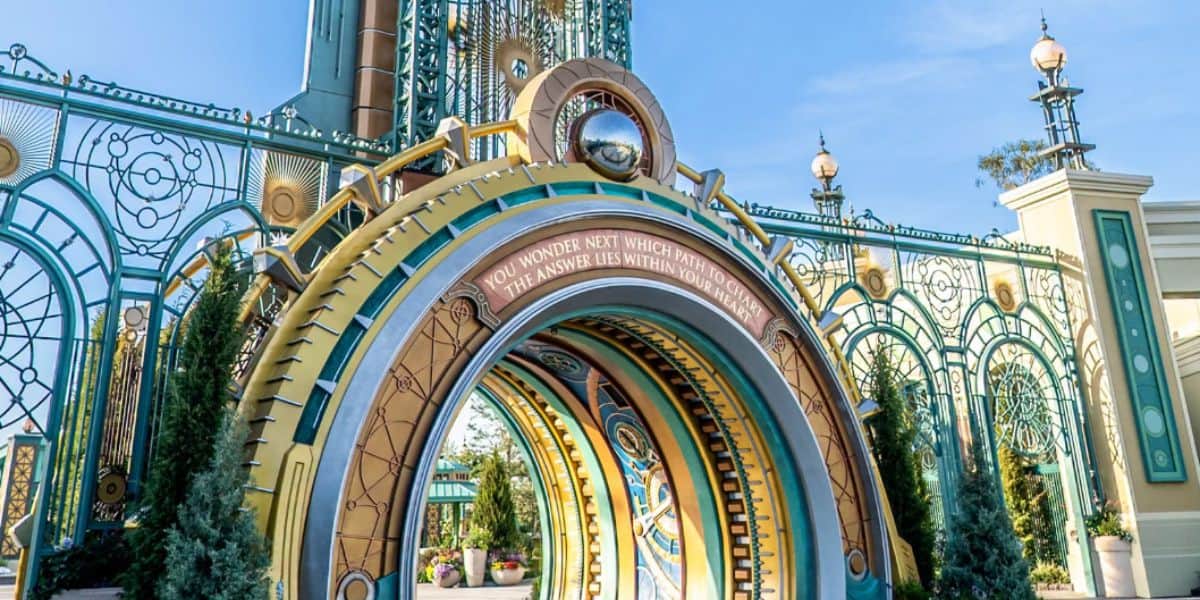
Epic Universe Gets Sued by Guest After Incident at New Theme Park Unfolds
Theme-park safety conversations tend to begin with the rides: restraints, sudden stops, speed, height, and the machinery carrying guests through an attraction.
A new lawsuit involving Universal Epic Universe concerns something far less spectacular—and much harder for a visitor to avoid.
Juan Bautista Tenjo filed a negligence complaint against Universal City Development Partners, Ltd. on July 22, alleging that he suffered serious injuries after slipping on accumulated water in an attraction queue and designated photo area at Epic Universe.
The seven-page complaint, obtained by Inside the Magic, bears Orange County filing number 253024661. Law firm Padron & Lopez-Trigo is the firm representing Mr. Bautista Tenjo and assisted him in filing the complaint against Epic Universe.
The alleged fall occurred November 14, 2025, nearly six months after Epic Universe opened to the public on May 22.
Universal has not been found negligent, and the complaint represents Tenjo’s account—not an adjudicated finding. The filing does not identify the attraction, themed land, or exact location where he allegedly fell.
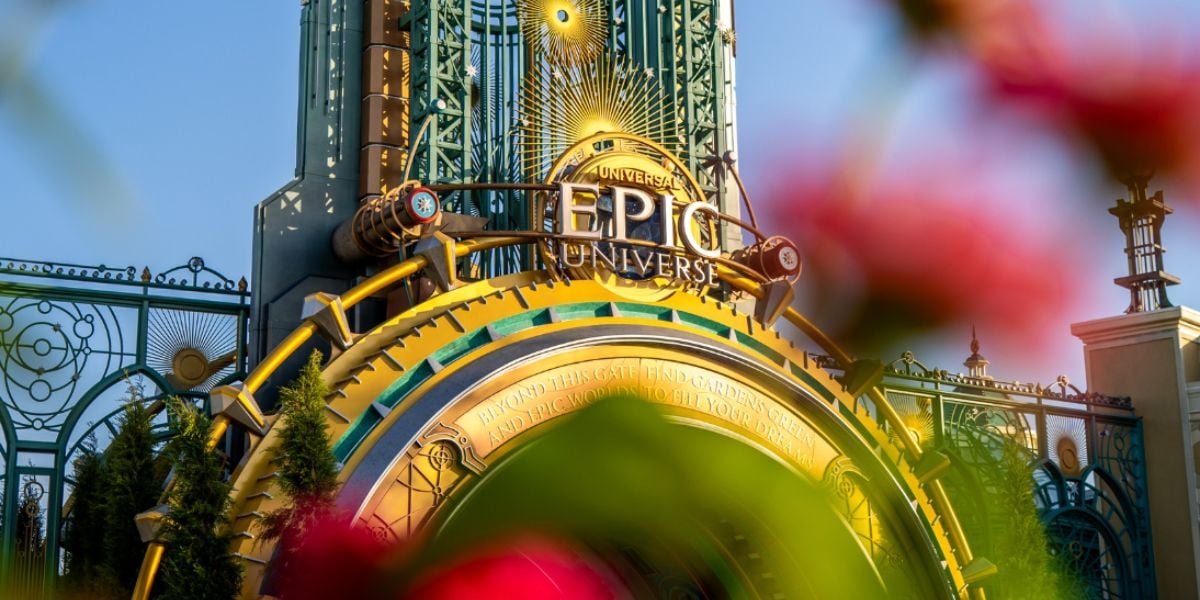
Epic Universe Lawsuit Alleges Water Pooled Around Queue Stanchions
According to the complaint, Tenjo was walking through a designated photo opportunity area that also functioned as an attraction queue when he encountered a “substantial accumulation of water.”
The lawsuit alleges that the water pooled from metal floor inserts intended to hold stanchion poles—the upright posts used with ropes or barriers to direct crowds. Tenjo claims he fell violently and sustained injuries that have continued beyond the incident.
His attorneys allege that Universal failed to inspect, maintain, or repair the area adequately and did not warn him about the condition. The complaint also challenges Universal’s maintenance of the stanchion equipment and surrounding walkway.
Those remain allegations. The filing includes no photographs, inspection logs, eyewitness statements, incident report, medical records, or measurements establishing how much water was present. It does not explain how long the condition allegedly existed or identify evidence that Universal knew about it before Tenjo’s fall.
That missing timeline could matter.
Under Florida’s premises-liability statute, someone who slips on a transitory foreign substance at a business must prove that the business had actual or constructive knowledge of the dangerous condition and should have corrected it. Constructive knowledge may be shown by evidence that the condition existed long enough that the business should have discovered it or occurred regularly enough to be foreseeable.
The complaint asserts that Universal knew or should have known about the alleged hazard. Evidence supporting—or disputing—that assertion would ordinarily emerge later through litigation.
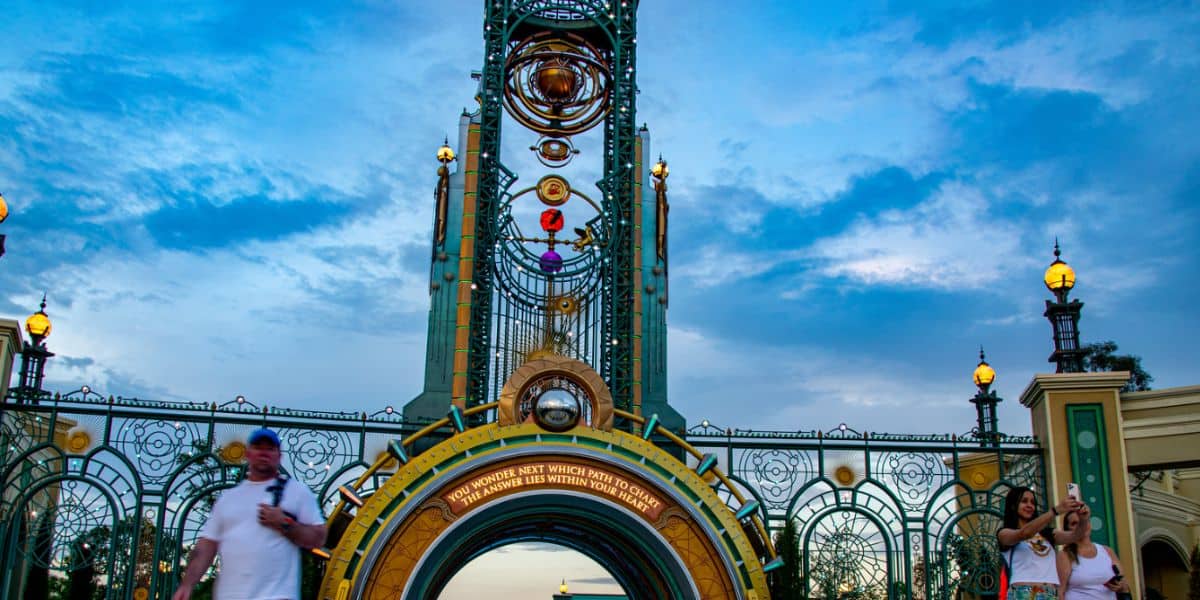
The Claim Moves Epic Universe Safety Attention Away From Ride Vehicles
The distinction between this case and previous Epic Universe litigation is important. Tenjo does not claim that a coaster, restraint, show effect, or ride system injured him. His allegations concern the pedestrian infrastructure that helps thousands of daily visitors move, wait, and stop for photographs.
Inside the Magic has previously covered separate allegations involving Harry Potter and the Battle at the Ministry, a guest who claimed she was injured aboard Stardust Racers, and additional lawsuits concerning that roller coaster. One earlier Stardust Racers case ended in a voluntary dismissal following a reported confidential settlement.
Those separate cases do not prove Tenjo’s allegations or establish that Epic Universe has a systemic safety problem. Grouping every claim together as evidence of one operational failure would extend beyond what the records establish.
The new complaint instead highlights a simpler reality: guests spend considerably more time walking and standing than riding. Epic Universe’s immersive attraction queues can function as part of the experience, making their condition consequential even when no ride vehicle is involved.
What the Epic Universe Lawsuit Means for Current Guests
For now, the lawsuit does not close an attraction, restrict a queue, establish a new guest policy, or require visitors to change existing reservations. Universal’s official Epic Universe page continues to advertise normal access to the park’s five worlds.
Tenjo seeks damages exceeding $50,000, along with litigation costs and a jury trial. That language establishes the court’s jurisdictional category; it is not a judgment, settlement, or proven valuation of his injuries.
The complaint lists claimed losses including bodily injury, pain and suffering, disability, disfigurement, mental anguish, medical expenses, lost earnings, and diminished earning capacity. It does not provide diagnoses, medical bills, or a specific total demand beyond the jurisdictional threshold.
The most consequential questions therefore remain unanswered: What attraction was involved? How did the water collect? How long was it present? Did Universal know—or should it reasonably have known—about the condition?
Until evidence or a response from Universal addresses those questions, this remains a narrowly defined negligence allegation, not a verdict on Epic Universe’s safety. But it directs attention toward a part of the theme-park experience visitors rarely consider until something goes wrong: the ground beneath their feet.