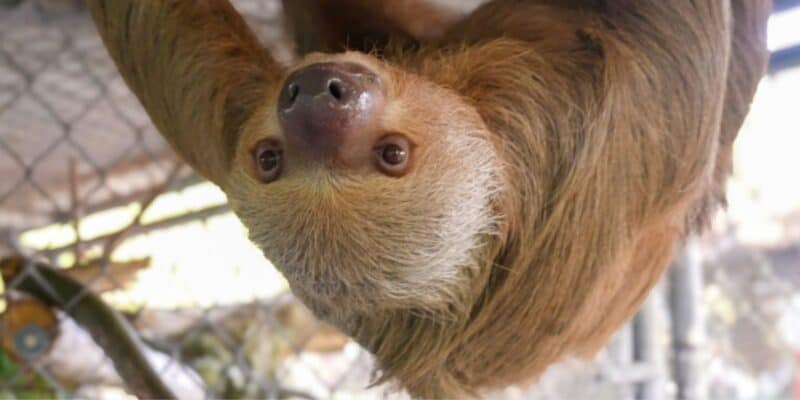
 Credit: Central Florida Zoo
Central Florida is globally renowned as the ultimate destination for theme parks and immersive entertainment. Visitors from around the world flock to Orlando not just for roller coasters, but to interact with incredible wildlife at places like Disney’s Animal Kingdom, SeaWorld Orlando, and various independent zoos.
Because of this massive demand for tourism, the International Drive corridor is constantly expanding with new attractions. One highly anticipated project was Sloth World, a planned interactive facility where tourists could meet and hold sloths.
Instead of becoming the next big hit with animal lovers, the project spiraled into one of the most heartbreaking animal-welfare disasters in recent Florida history. In total, 55 sloths died before the attraction could ever open its doors. Despite the sheer scale of this tragedy, the Orange County Sheriff’s Office recently announced a stunning conclusion that has left theme park fans and animal advocates outraged: no one will face criminal charges.
The Investigation into Sloth World Orlando
After the horrific loss of dozens of animals, the Orange County Sheriff’s Office spent three months diving deep into the practices of Sloth World. The highly scrutinized attraction, founded by Benjamin Agresta, was intended to be a premier stop on International Drive.
Investigators left no stone unturned in their 44-page report. They spent months examining facility records, reviewing veterinary documentation, analyzing diagnostic findings, and looking over inspection records from the Florida Fish and Wildlife Conservation Commission (FWC). Furthermore, detectives conducted more than 20 interviews with state and national wildlife experts and former Sloth World employees.
Despite these extensive efforts, the Orange County Sheriff’s Office concluded that there was no evidence of criminal activity, intentional harm, or abuse. Investigators found no deliberate acts or omissions by the facility’s personnel that met the strict threshold of criminal neglect under current Florida State Statutes. Instead, the massive loss of life was officially classified as a “multifactorial animal health incident.”
What Actually Happened to the Animals?
To understand how 55 animals could legally die without criminal consequence, it is important to look at the timeline of the doomed attraction. In 2024 and 2025, the sloths were imported from Guyana and Peru to Orlando to stock the upcoming Sloth World experience. In Florida, anyone wishing to import species like sloths must apply for a free Wildlife Importation Permit, which simply details where the animals are coming from and under whose care they will be.
However, instead of arriving at a state-of-the-art zoological facility, the sloths were housed in a warehouse that was not permitted for living creatures. Reports indicated the animals suffered through brutal conditions, including exposure to freezing temperatures and a lack of electricity due to a tripped fuse.
Veterinarians who treated the few surviving sloths described a grim picture. According to the investigative report, the diagnostic findings indicated that the animals suffered from systemic disease processes affecting their respiratory, gastrointestinal, nutritional, and metabolic systems. The Orange County Sheriff’s Office cited a combination of malnutrition, disease, and the extreme stress of transportation as the contributing factors that ultimately led to the deaths of the 55 sloths.
The findings were entirely consistent with a complex health-related event involving multiple stressors associated with the capture, transportation, acclimation, and continued care of a highly specialized species. While the owner and head animal caretaker were shocked by the death toll, former employees and investigators acknowledged that the staff likely lacked the necessary knowledge and experience to manage such a massive influx of exotic animals properly.
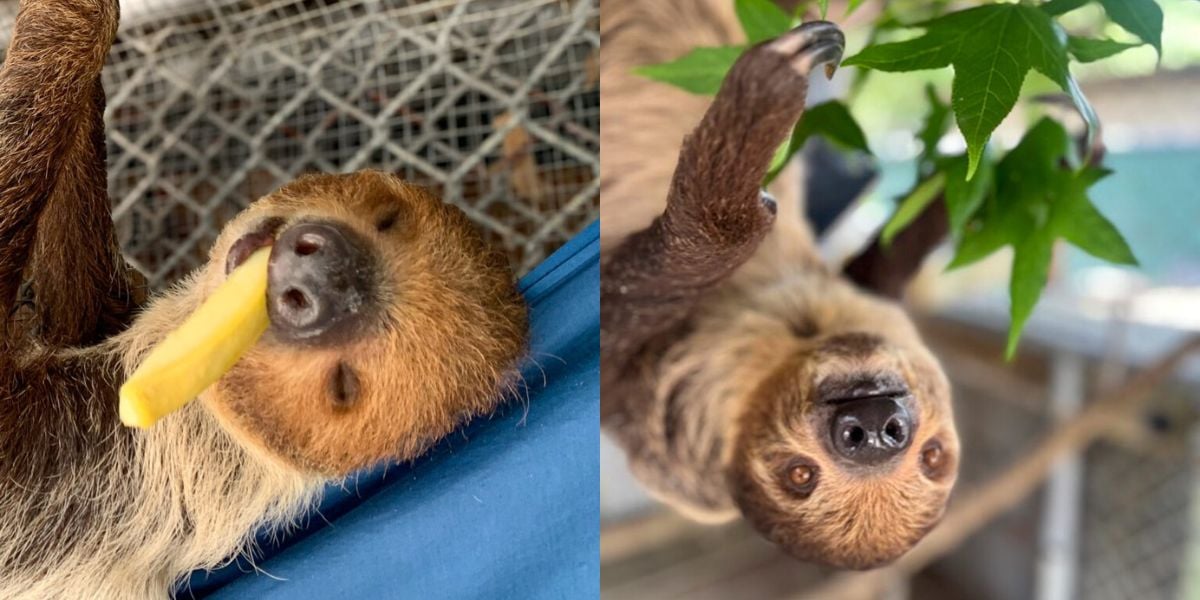
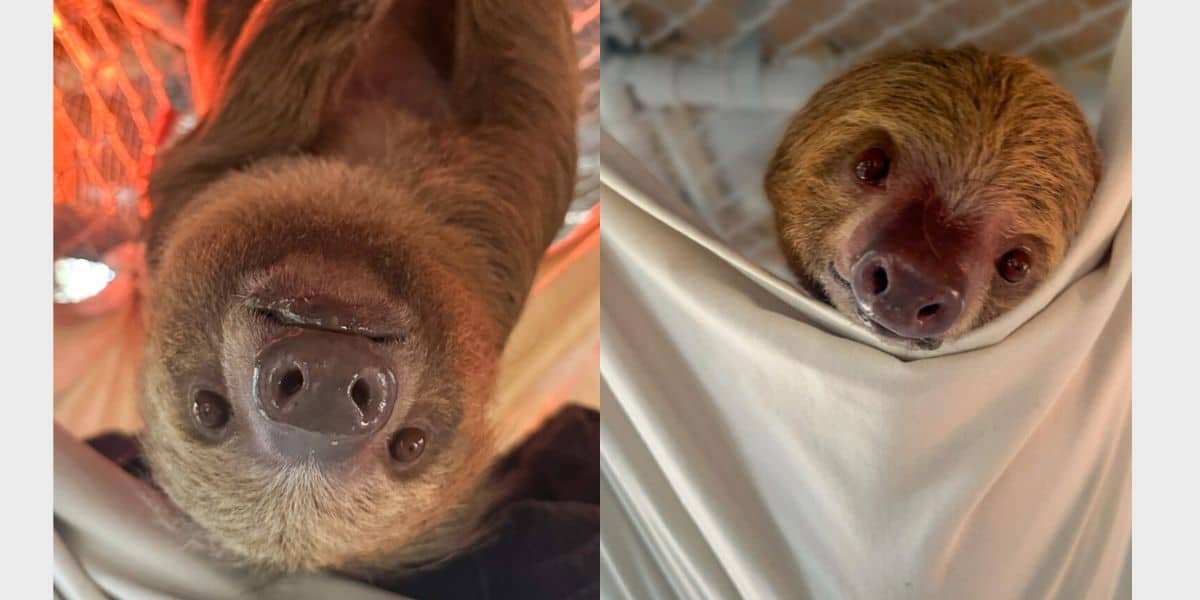
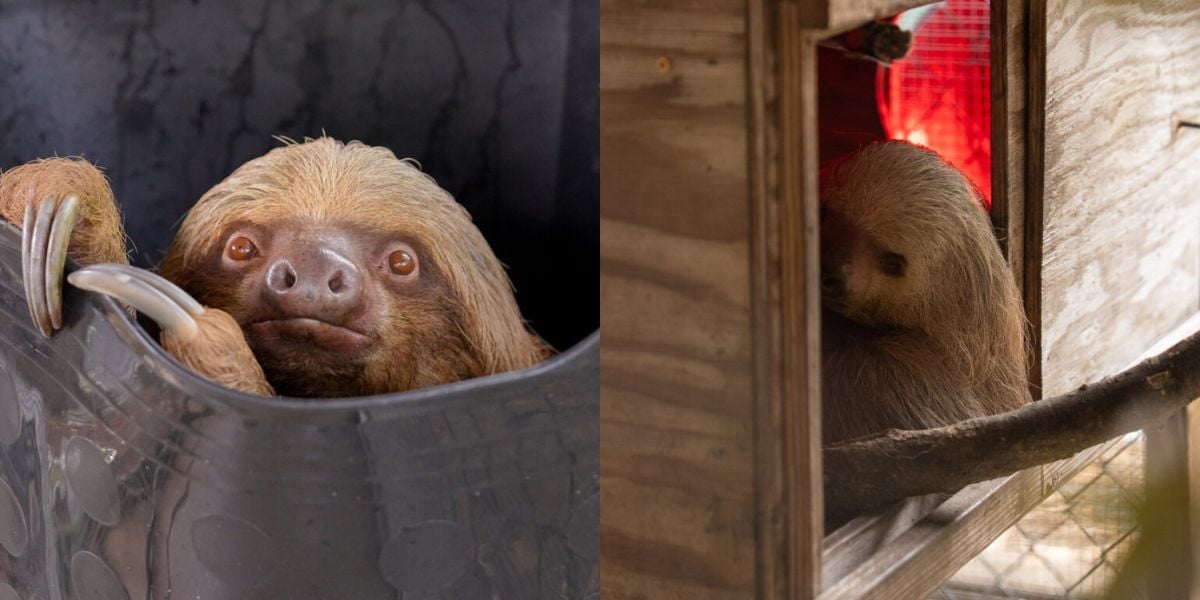
The Central Florida Zoo rescued 13 surviving sloths earlier this year. Unfortunately, some were already in critical condition when they arrived, including the youngest and smallest sloth, named Mr. Ginger, who ultimately had to be euthanized. More recently, another rescued sloth named Willow also passed away, leaving only a handful of survivors from the wild imports.
Questions About Florida’s Animal-Welfare Regulations
The finding that the investigation did not establish criminal wrongdoing despite 55 animal deaths has sparked immense backlash from the Central Florida community. For theme park enthusiasts and tourists who expect high standards of animal care in Orlando, the ruling feels like a massive letdown. However, local lawmakers are pointing out that the fault lies not with the investigators but with Florida’s notoriously weak wildlife regulations.
Florida State Representative Anna V. Eskamani, a Democrat from Orlando who has been vocal about seeking accountability in the Sloth World case, released a powerful statement regarding the sheriff’s findings.
“Dozens of sloths were captured, shipped across the world, and died, and under Florida law as it exists today, no one is held accountable,” Eskamani stated. “That is not a failure of the investigators. It is a failure of our statutes and our rules. When a facility can be in full compliance with every applicable state standard and animals still die by the dozens, the standards themselves are the problem. Compliance is not the same as care.”
Eskamani thanked the Orange County Sheriff’s Office for the rigor they brought to the investigation, acknowledging that their detectives acted professionally and thoroughly within the confines of current laws. Her words highlight a broader concern for Florida’s tourism and attraction industry: the state’s existing regulatory framework may not always prevent serious animal-welfare problems, even when criminal wrongdoing cannot be established.
The Future of Animal Attractions in Florida
The Sloth World tragedy has cast a dark shadow over Florida’s independent animal attraction industry. While major theme parks like Walt Disney World and SeaWorld maintain rigorous, world-class accreditation through global zoological organizations, smaller roadside attractions and independent start-ups often operate under the much looser guidelines of the FWC.
Rep. Eskamani has pledged to work alongside her colleagues in the Florida Legislature, the FWC, and veterinary experts to aggressively strengthen the state’s rules regarding the importation, permitting, and housing of exotic animals. “No animal should be brought into our state to suffer and die because our laws were too weak to stop it,” she declared.
For now, Sloth World will remain a defunct project, a failed International Drive attraction that serves as a grim cautionary tale. As the Orlando tourism sector continues to grow, this tragedy emphasizes the urgent need for stricter regulations.
Visitors come to Central Florida to celebrate the magic of wildlife, not to contribute to an industry where legal loopholes allow 55 innocent animals to slip through the cracks. It is up to lawmakers to ensure that, the next time an attraction promises a magical animal encounter, the safety and well-being of the creatures involved are guaranteed by law.