 Credit: Universal
A new Universal Resort could close in the next 10 years if issues are not properly addressed, as new controversy surrounds this multi-million-dollar theme park.
Universal’s Biggest Gamble Yet Is Already Dividing Fans
There’s something magical about the weeks leading up to the opening of a brand-new theme park. Fans dissect every construction photo. Families begin planning vacations months in advance. Expectations grow larger with every new piece of concept art released.
That excitement is especially powerful when the name attached to the project is Universal. The company has spent the last decade earning enormous goodwill thanks to ambitious attractions, richly themed lands, and headline-grabbing expansions that have helped redefine the modern theme park industry.
But sometimes, before the front gates officially swing open, another story begins to take shape. One driven less by marketing campaigns and more by the people watching from the sidelines.
Fans Are Looking Beyond the Influencer Videos
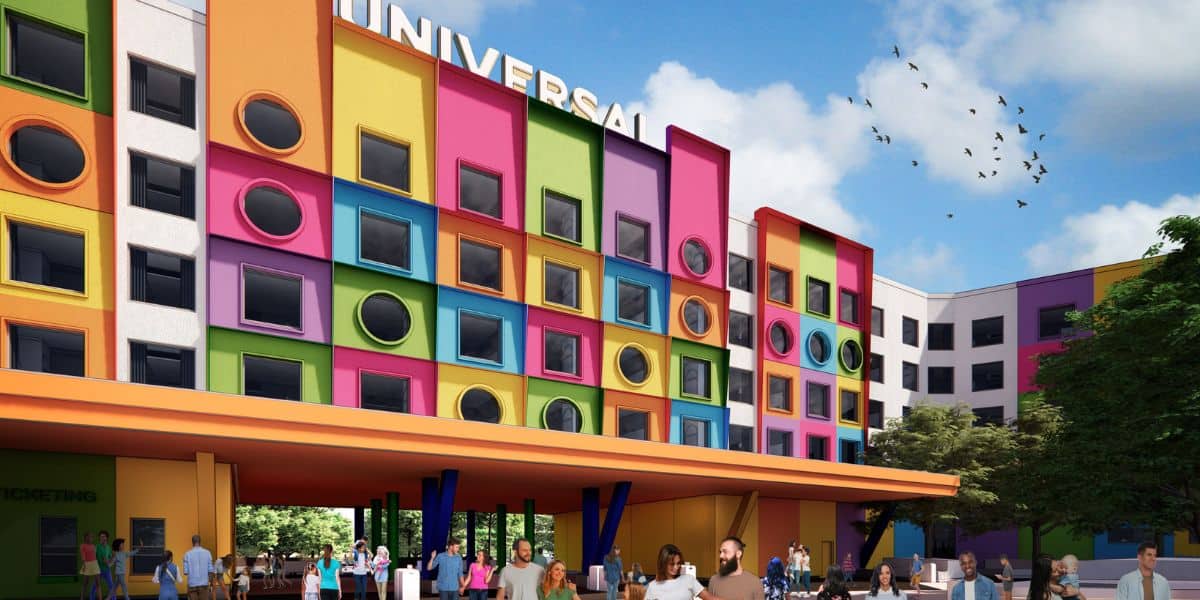
Universal Kids Resort in Frisco, Texas, doesn’t officially open until July 1, but preview events have already given creators, influencers, and select guests an early look inside.
The new Universal Kids Resort looks like a parking lot amusement park!
The new Universal Kids Resort looks like a parking lot amusement park! pic.twitter.com/m082i4v1Hu
— Vince Langman (@LangmanVince) June 24, 2026
The polished social media videos tell one story.
The comments tell another.
This isn’t concept art. This is real life. This is UNIVERSAL KIDS RESORT.
This isn’t concept art.
This is real life.
This is UNIVERSAL KIDS RESORT. pic.twitter.com/l5bMskS2yd
— Nick Hutson (@NickHutsonMusic) June 19, 2026
Many early content creators highlighted the colorful attractions, character meet-and-greets, splash areas, and family-friendly rides. As expected, much of the coverage focused on the positives. But scrolling beneath those videos reveals a dramatically different conversation.
Comments describing the park as “underwhelming,” “unfinished,” or resembling a “kiddie carnival” have accumulated across social media.
Others questioned whether the park feels as immersive as the lush renderings Universal originally released during development.
Whether fair or not, those reactions have become part of the park’s story before thousands of paying guests have even walked through its entrance.
The Biggest Criticism Isn’t About the Rides
Perhaps the most surprising criticism has little to do with attractions themselves.
Instead, fans keep pointing toward everything between them.
Preview footage has fueled widespread discussion over expansive concrete pathways, minimal mature landscaping, sparse shade, and theming that some viewers believe falls short of Universal’s reputation.
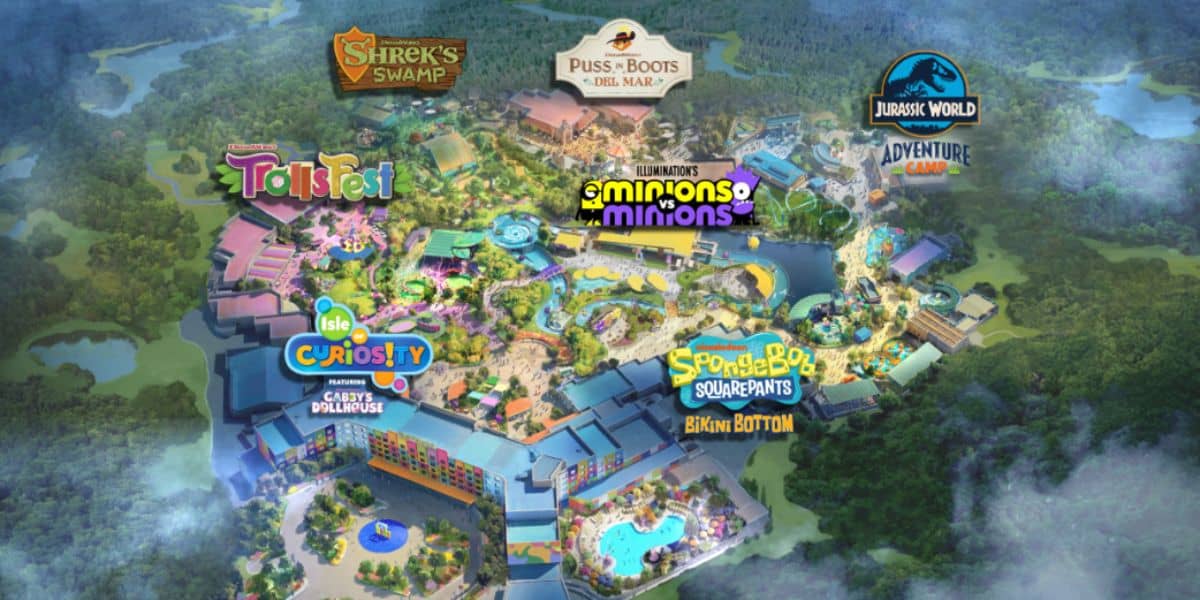
One attraction receiving particular attention is Shrek & Fiona’s Happily Ogre After.
Early concept artwork suggested guests would wander through a vibrant swamp filled with immersive scenery. Preview videos, however, have prompted online comparisons ranging from “McDonald’s landscaping” to “a prison yard,” with commenters questioning whether the finished environment matches the ambitious vision originally presented.
Not everyone agrees.
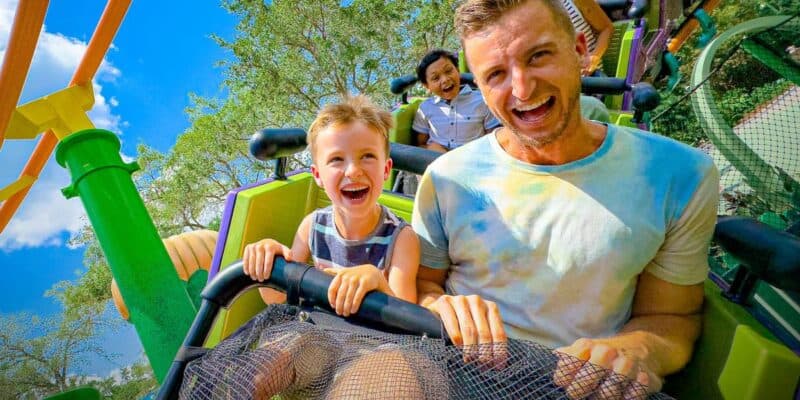
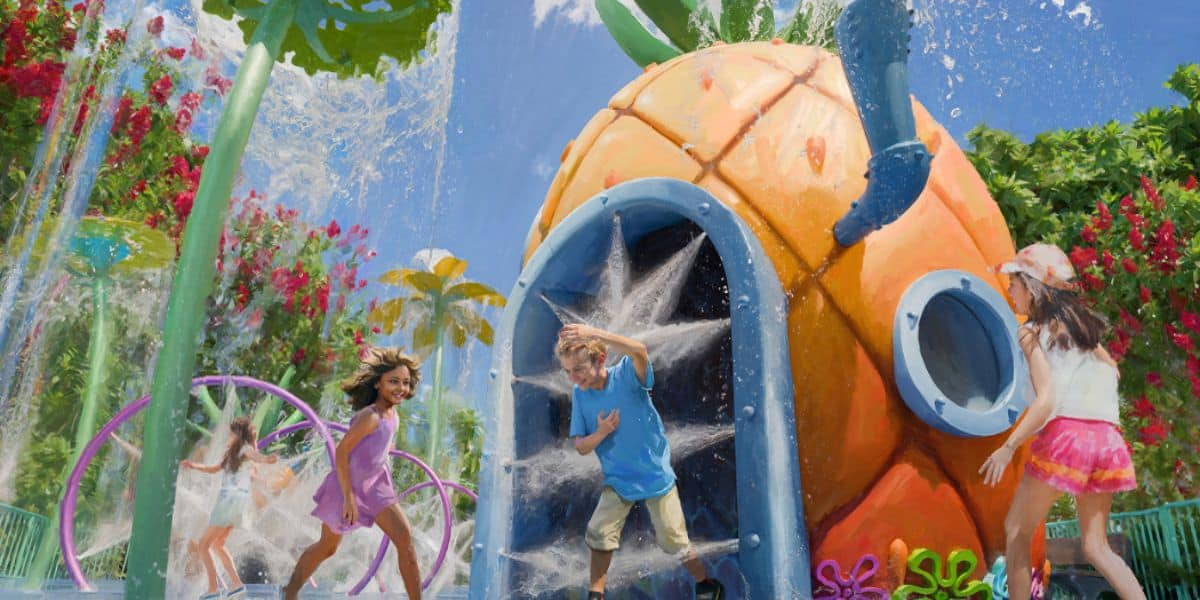
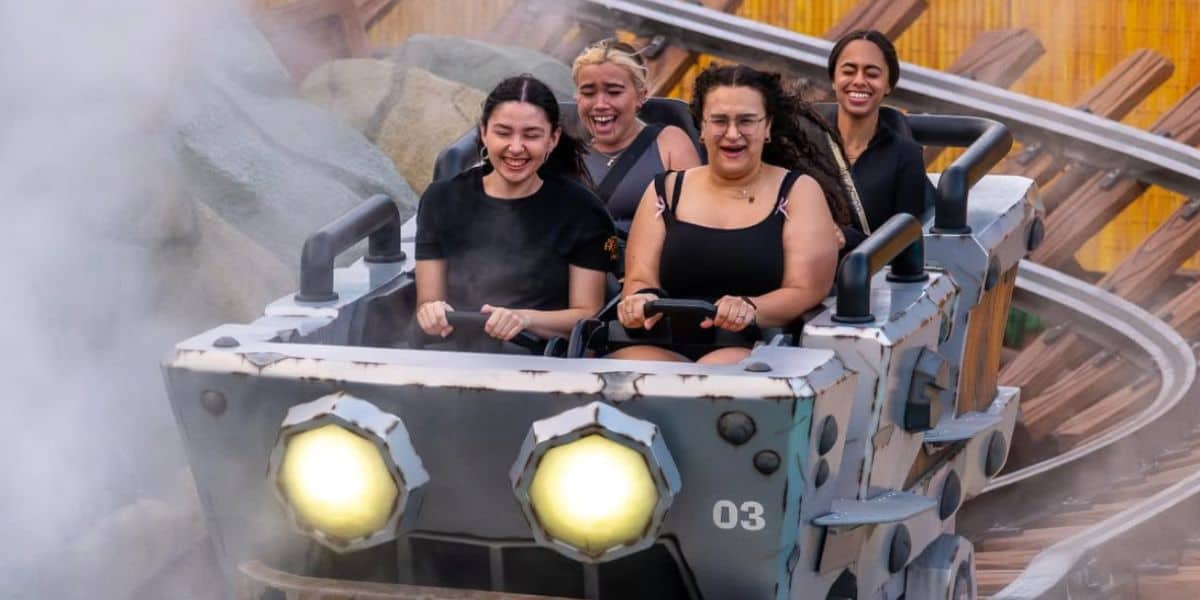
Jurassic World: Cretaceous Coaster has earned praise as an enjoyable family coaster for younger children, while many parents appreciate thoughtful details like built-in toddler restroom seating and interactive play spaces throughout the park.
Still, those positives haven’t stopped a larger debate from growing louder.
‘It’s for Kids’ May Not Answer Every Question
Defenders of Universal Kids Resort have repeatedly made the same point.
This park isn’t designed to compete with Universal Orlando Resort.
It’s designed for children between roughly three and eight years old.
That’s an important distinction—and likely an accurate one.
Young children aren’t judging thematic density or debating landscaping choices online. They’re meeting Shrek, splashing in water play areas, riding their first roller coaster, and creating memories with their families.
But parents are evaluating something different.
They’re evaluating value.
With admission expected to range roughly between $55 and more than $100 depending on demand and ticket options, families naturally begin comparing the experience not only to regional attractions but also to other destination parks carrying the Universal name.
That comparison may ultimately prove unavoidable.
What Happens If First Impressions Become Lasting Ones?
History has shown that first impressions matter enormously in the theme park business.
Parks rarely fail because of one bad attraction.
They struggle when guests stop feeling excited to return.
Universal clearly isn’t in danger of abandoning the project before it opens, and no evidence suggests the resort is at immediate risk. But sustained guest dissatisfaction presents a different kind of challenge—one measured over years rather than weeks.
If enough families conclude that the experience doesn’t justify repeat visits, attendance patterns could soften after the initial curiosity fades.
Seasonal operations could become increasingly difficult during cooler months when splash attractions lose much of their appeal.
And if repeat visitation declines, Universal could eventually face difficult decisions about how aggressively it invests in future expansions.
That’s why the current conversation matters.
Not because social media comments always predict reality.
But because they often reveal expectations that companies ignore at their own risk.
Universal Still Has Time to Rewrite the Narrative
The encouraging news is that nearly every criticism circulating online appears fixable.
More mature trees.
Additional shade structures.
Denser landscaping.
Expanded themed environments.
More character interactions.
Future attractions.
Universal has repeatedly demonstrated its willingness to invest heavily in existing destinations when guest demand exists. The company has transformed entire areas of its parks before, and Universal Kids Resort could evolve substantially over the coming years.
For North Texas, many fans hope exactly that happens.
This park represents Universal’s first permanent theme park built specifically for young children—a bold experiment that could redefine family entertainment outside Florida and California if successful.
But bold experiments also invite higher expectations.
As preview reactions continue spreading across social media, Universal isn’t simply opening another park. It’s introducing a concept that many families will judge as the blueprint for future expansion.
Whether today’s criticism becomes tomorrow’s forgotten growing pains—or the beginning of a much larger conversation—will depend less on opening day and more on what Universal chooses to do after it.