In the world of Disney theme park fandom, some debates never truly die—they just wait for a catalyst to spark them back into a roaring flame.
For years, the corporate offices in Burbank hoped that retheming a certain log flume ride would gracefully close the book on one of the company’s most controversial creative chapters. Instead, a single, viral social media post has proven that a vocal segment of the fanbase is completely unwilling to let the past go.
Credit: Disney
The latest firestorm ignited when theme park commentator Jordan A. Hill shared a photo on X (formerly Twitter) of a mysterious, seemingly unreleased Disney pin. The collectible instantly sent Disney Twitter into an absolute tailspin, racking up thousands of impressions, furious quote-tweets, and long-winded arguments.
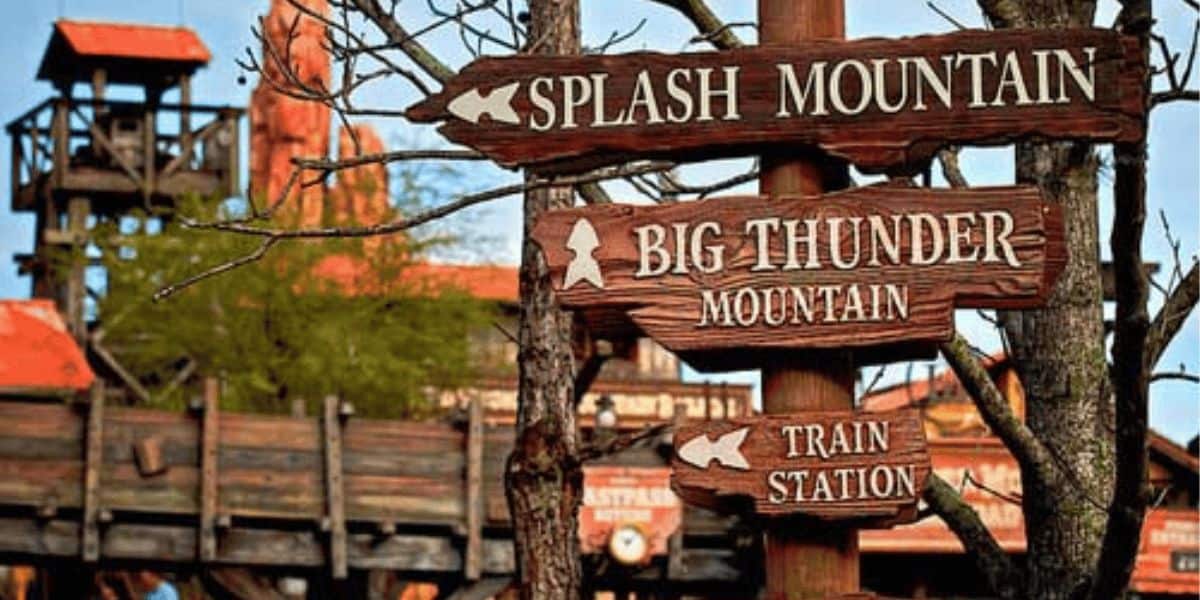
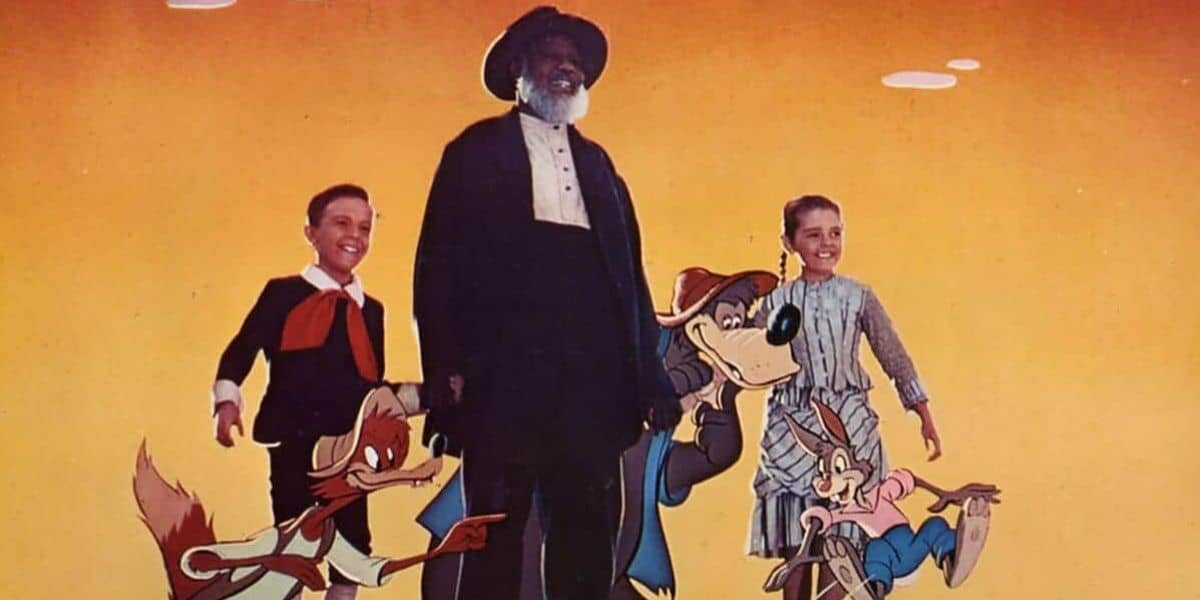
The piece of merchandise in question directly evokes the characters and imagery of Disney’s notorious 1946 film Song of the South and its subsequent theme park iteration, Splash Mountain.
For a brief, chaotic moment, fans wondered if Disney had quietly reversed its strict corporate embargo on the intellectual property. However, the truth behind the viral photo is far less corporate and far more bizarre: the controversial pin is a complete fake, discovered tucked away inside a local antique mall. Yet, despite being an unauthorized bootleg, its mere existence has completely revived the toxic culture war surrounding Disney’s most debated ride retheme.
The Twist: Anatomy of an Antique Mall Fake
When the image first hit the internet, collectors immediately began dissecting its origin. Was it a leaked prototype? A rogue cast member exclusive? A misplaced piece of vintage merchandise from the 1990s?
The reality check came swiftly. The pin showcased by @JordanAHill was identified as a “fantasy pin”—a polite industry term for an unauthorized, bootleg collectible manufactured by third-party creators without Disney’s permission. This specific item was traced to a rented booth in an antique mall, a notorious breeding ground for counterfeit Disney merchandise, scrappers, and unauthorized fantasy designs.
What is a “Fantasy Pin”? Unlike illegal counterfeits designed to trick buyers into thinking they are buying official Disney park merchandise, fantasy pins are entirely custom, fan-made designs that feature Disney characters. However, when these pins wind up in antique malls without clear labeling, they easily deceive casual buyers into believing they’ve uncovered a “forbidden” piece of official history.
Credit: Disney
Because Disney has completely halted production of most official merchandise featuring Br’er Rabbit, Br’er Fox, and Br’er Bear, a thriving secondary gray market has emerged. Unofficial vendors use online storefronts and independent antique booths to fill the void left by the studio, catering directly to displaced fans seeking a piece of the defunct attraction.
The History: Why Song of the South Remains Toxic Radioactive Material
To understand why a fake pin can provoke such an intense emotional reaction, one must examine the deep cultural fractures underlying the Splash Mountain controversy.
Credit: Disney
The original attraction, which debuted at Disneyland in 1989 and Magic Kingdom in 1992, drew its characters, songs, and settings directly from Song of the South. The 1946 live-action and animated musical film has long been condemned by historians and civil rights groups for its deeply romanticized, paternalistic depiction of the post-Civil War American South, utilizing harmful racial stereotypes and presenting an idealized view of plantation life.
Recognizing the film’s deeply problematic nature, Disney CEO Bob Iger famously locked the movie away in the corporate vault, ensuring it would never be released on Disney+ or home media. For decades, Splash Mountain existed as a strange paradox: a beloved, incredibly popular E-ticket attraction anchored by an intellectual property that the company itself deemed too offensive to distribute.
The Retheme Timeline
The fragile peace was shattered in 2020 when Disney officially announced it would permanently retire the Splash Mountain theme, stripping the ride of its Song of the South roots and transforming it into Tiana’s Bayou Adventure, a celebration of the company’s first Black princess from the 2009 film The Princess and the Frog.
Credit: Cory Doctorow, Flickr
Event
Location
Date
Retheme Announcement
Corporate / Digital
June 2020
Splash Mountain Closure
Walt Disney World
January 2023
Splash Mountain Closure
Disneyland Resort
May 2023
Tiana’s Bayou Adventure Opening
Magic Kingdom / Disneyland
Summer/Fall 2024
Why Some Fans Just Won’t Let It Go
The closure of the attraction birthed a fierce online subculture often referred to by observers as “Splash Mountain preservationists.” While many fans simply missed a classic, thrilling water ride, a highly vocal contingent transformed the ride’s closure into a culture-war battlefield, claiming that Disney was falling victim to “cancel culture” and erasing its own theme park history.
Even though Tiana’s Bayou Adventure has been open for well over a year, welcoming millions of guests with state-of-the-art animatronics and an entirely new jazz soundtrack, the emotional wounds of this specific faction remain completely unhealed.
The viral response to the fake antique mall pin exposes a profound psychological truth about this corner of the fandom: they are actively seeking validation. When the image of the bootleg pin dropped on X, many rushed to celebrate it, interpreting it as a quiet acknowledgment of the ride’s legacy.
When it was revealed to be a fake, the narrative shifted into a defensive debate about whether Disney should be selling items like it. The bootleg acted as a mirror, reflecting the unresolved resentment of a fanbase trapped in a cycle of nostalgia and grievance.
The Wild West of Disney Pin Trading
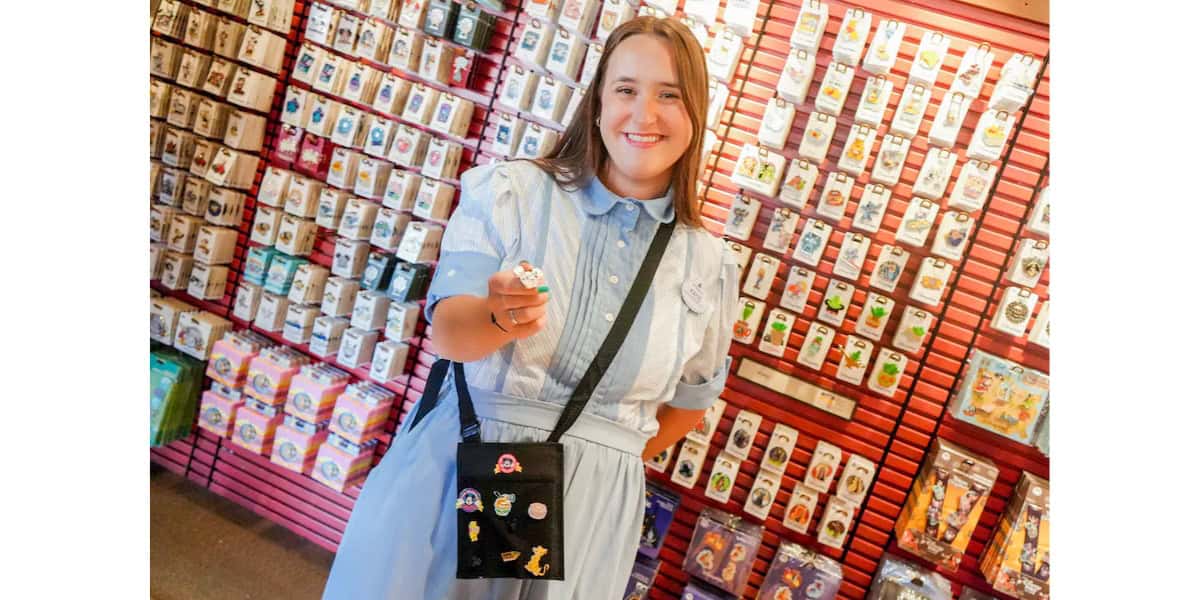
The incident also highlights a major operational headache for Disney’s consumer products division: the uncontrollable explosion of counterfeit pins. Step into almost any multi-vendor antique mall or flea market in the United States, and you are likely to find a corkboard covered in Disney pins.
Credit: Disney
Many of these boards are populated by “scrappers”—factory rejects from overseas—or outright bootlegs like the Song of the South pin. Because Disney’s legal teams rarely monitor these independent antique booths, vendors can freely hawk controversial, unauthorized imagery that would never be allowed past a theme park turnstile.
For the average consumer, distinguishing between a rare, valuable vintage Disney pin and a modern, high-quality bootleg manufactured in a third-party factory has become nearly impossible.
The Verdict: Moving On Past the Bayou
Ultimately, the viral firestorm kicked off by the bootleg pin serves as a stark reminder that physical changes to a theme park cannot instantly erase decades of emotional attachment—or ideological entrenchment. Disney successfully transformed its physical landscapes in Anaheim and Orlando, replacing the briar patch with a vibrant, musical celebration of New Orleans.
Credit: Disney
Yet, as long as independent creators can fire up a metal press and sell nostalgia out of an antique mall booth, the ghosts of Song of the South will continue to haunt the digital edges of the Disney community. The pin may have been an absolute fake, but the bitter, ongoing divide it exposed across the fandom is entirely real.
Get daily updates from Inside the Magic
I'd like to receive emails from Inside the Magic.
Comments Off on The Forbidden Souvenir: How a Bootleg Pin Revived Disney’s Most Toxic Fandom War Over Splash Mountain and ‘Song of the South’

 Credit: Andrew Dupont, Flickr